 English
 Lietuvių
 Latviešu
 Eesti
 Polski
 Русский
 Українська
 Deutsch
 Nederlands
 Čeština
 Slovenčina
 Svenska
 Norsk
 Dansk
 Suomi


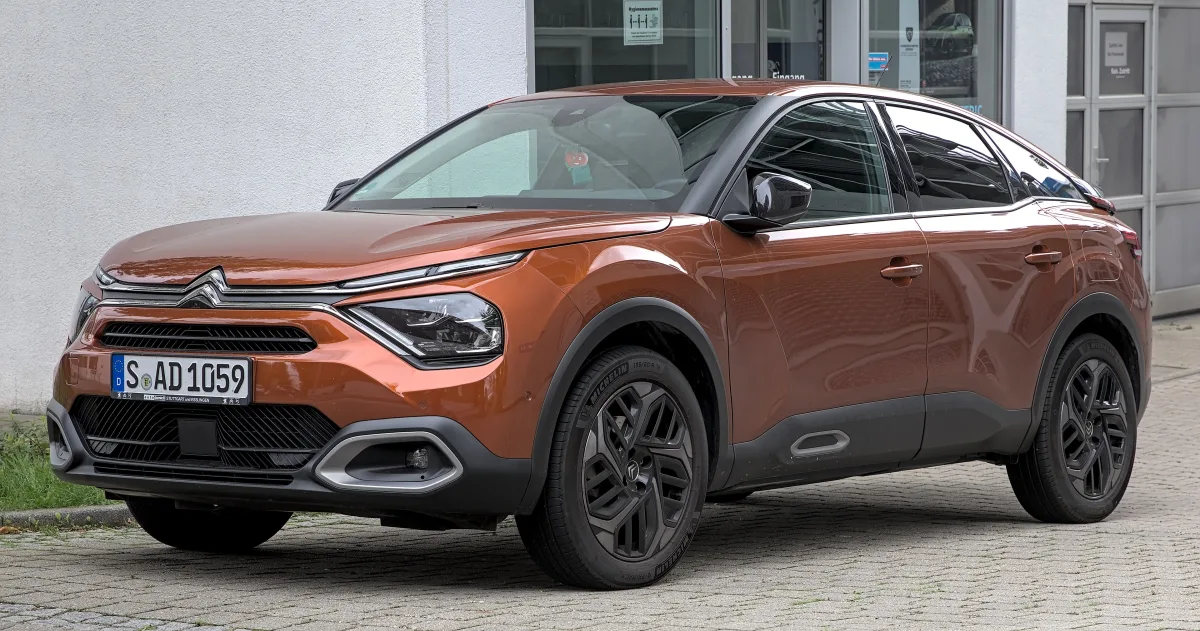
Citroën C4: II and III generations, engines and trims
The Citroën C4 is a compact class Citroën model that has been produced since 2004 and is often seen in Lithuania's used car market. We look at how the II and III generations differ, which engines are most popular, how the trims vary and what to check before buying.






C4 in brief
The first-generation C4 (2004–2010) was offered as a 5-door hatchback and a 3-door coupé, the second (2010–2018) as just a 5-door hatchback. The third generation arrived in 2020 — a taller, crossover-style hatchback available with a petrol, diesel or electric (e-C4) engine.
Don't confuse: C4 Picasso and Grand C4 Picasso (later C4 SpaceTourer) are MPVs, while C4 Cactus and C4 Aircross are separate models, despite having 'C4' in their names. This article is about the standard C4 hatchback.
The C4 is often chosen by those who prioritise comfort: a supple ride, comfortable seats and a quiet cabin. In the used market, it's usually cheaper than a similarly aged Volkswagen Golf or Škoda Octavia.
II and III generations — how they differ
The II generation (2010–2018) is technically close to the first-generation Peugeot 308, but has a more solid interior than the earlier C4. Around 2015, refreshed models gained newer 1.2 PureTech petrol and BlueHDi diesel engines. Today, this is the cheapest way to buy a C4, but many cars already have high mileage.
The third generation (from 2020) is built on the CMP platform, like the Peugeot 2008 or Opel Mokka. It's taller, sits higher, and uses hydraulic suspension buffers (Progressive Hydraulic Cushions), so the car rides particularly smoothly over rough terrain. In 2022, the hatchback was joined by the longer C4 X with a separate boot.
The electric ë-C4 has the same body and interior as the petrol or diesel C4. It's ideal for city and suburban drivers who can charge the car at home or work.
Engines and gearboxes
In the second generation, you'll most commonly find 1.4 and 1.6 VTi petrol engines, along with the turbocharged 1.6 THP (around 156 hp). Post-facelift, there's the 1.2 PureTech (around 110–130 hp). Diesels include the 1.6 HDi and e-HDi (around 90–115 hp), 2.0 HDi (around 150 hp), and later the 1.6 BlueHDi.
The third generation is primarily powered by the 1.2 PureTech petrol engine (around 100–155 hp) and the 1.5 BlueHDi diesel. The electric ë-C4 initially had a 136 hp engine, with later models featuring a slightly more powerful one and a larger battery.
Gearboxes come in manual or automatic. In the second generation, the e-HDi is often paired with the robotised ETG6 (EGS6) box, while more powerful engines get the 6-speed automatic EAT6. In the third generation, more powerful versions come with the 8-speed automatic EAT8.
What to check when buying a used C4
The timing belt on the 1.2 PureTech engine operates in the oil: if it's worn, it can squeal, and debris can clog the oil pump strainer. Ask when it was last replaced and if the manufacturer-recommended oil was used, and check if the engine isn't consuming too much oil.
The second-gen 1.6 VTi and THP engines are known for timing chain tension and carbon buildup — a cold engine shouldn't rattle after starting. The ETG6 robotic gearbox shifts more slowly and with hesitation — that's normal, but the clutch might be worn, so definitely test the initial acceleration.
For diesel cars, check the diesel particulate filter (DPF), and for BlueHDi models, also the AdBlue system: there shouldn't be any warnings on the dashboard about emissions system faults. When buying an ë-C4, request a battery condition report. For all cars, check the service history for regular maintenance.


Trim levels
Names and equipment vary by market and year; we list the most common trims found in Europe.
Attraction
Second generationThe base second-gen trim is simple and the most affordable.
- Often, steel wheels with hubcaps
- Air conditioning and a basic audio system
- Less comfort equipment
Exclusive
Second generationThe top second-gen trim with more comfort features.
- Light-alloy wheels
- Often — automatic climate control and parking sensors
- Better interior trim
Live
Third generationBase third-generation trim.
- Often — steel wheels
- Air conditioning and basic infotainment
- Comfortable suspension with hydraulic bump stops
Feel
Third generationMost popular choice — good balance of price and features.
- Often — light-alloy wheels
- Larger infotainment screen and smartphone integration
- Often — rear parking sensors
Feel Pack
Third generationFeel version with additional comfort features.
- Often — automatic climate control
- Often — rear-view camera
- Larger wheels
Shine
Third generationTop third-generation trim.
- Largest wheels, often — 18-inch
- Often — head-up display
- More driver assistance systems and better trim
Comparing third-generation trims
| Live | Feel | Feel Pack | Shine | |
|---|---|---|---|---|
| Who it's for | For the tightest budgets | For daily driving | Comfort for a sensible price | For those wanting the most kit |
| Wheels (most common) | 16-inch | 16–17-inch | 17–18-inch | 18-inch |
| Interior | Standard | Larger screen, more cubbies | More comfort features | Best interior and equipment |
| Engine | 1.2 PureTech, 1.5 BlueHDi | 1.2 PureTech, 1.5 BlueHDi, electric | 1.2 PureTech, 1.5 BlueHDi, electric | Often more powerful, with EAT8 |
| Price in the used market (relatively) | € | €€ | €€ | €€€ |
For most buyers, the best choice is the Feel or Feel Pack with the 1.2 PureTech 130 or 1.5 BlueHDi engine. The Shine is worth considering if you value a well-equipped interior and advanced driving aids.
Pros
- Especially comfortable, smooth ride
- Comfortable seats and quiet cabin
- Often cheaper than rivals in the used market
- For the third time, you can choose an electric engine
Cons
- 1.2 PureTech timing belt issues
- Slow and hesitant second-gen ETG6 robotized gearbox
- Loses value faster than most popular competitors
Frequently asked questions
Which C4 generation is best to buy used?
If the budget allows, opt for the third-gen (from 2020) — it's more modern, comfortable, and has newer features. For a cheaper car, the best bet is the refreshed 2015–2018 second-gen C4 with a clear service history.
Should you worry about the 1.2 PureTech engine?
No need to worry, but it's crucial to check the history. The key is whether the timing belt was changed on time and if the correct oil was used. If there are no documents, factor in the cost of replacing the belt.
What's the difference between the C4 and C4 Picasso?
The C4 is a compact hatchback, while the C4 Picasso (and 7-seater Grand C4 Picasso) is a one-box design with a higher body, roomier interior, and larger boot. They are separate models with different equipment and pricing.
Is the ë-C4 suitable for intercity driving?
It is, if the journeys aren't too long or if you can charge the car en route. The ë-C4 pays off most for those who mainly drive in the city and can charge at home or work.
Updated 2026-10-09 · Trim levels and equipment vary by market and model year — check the equipment of the specific car. · Translated automatically


