 English
 Lietuvių
 Latviešu
 Eesti
 Polski
 Русский
 Українська
 Deutsch
 Nederlands
 Čeština
 Slovenčina
 Svenska
 Norsk
 Dansk
 Suomi


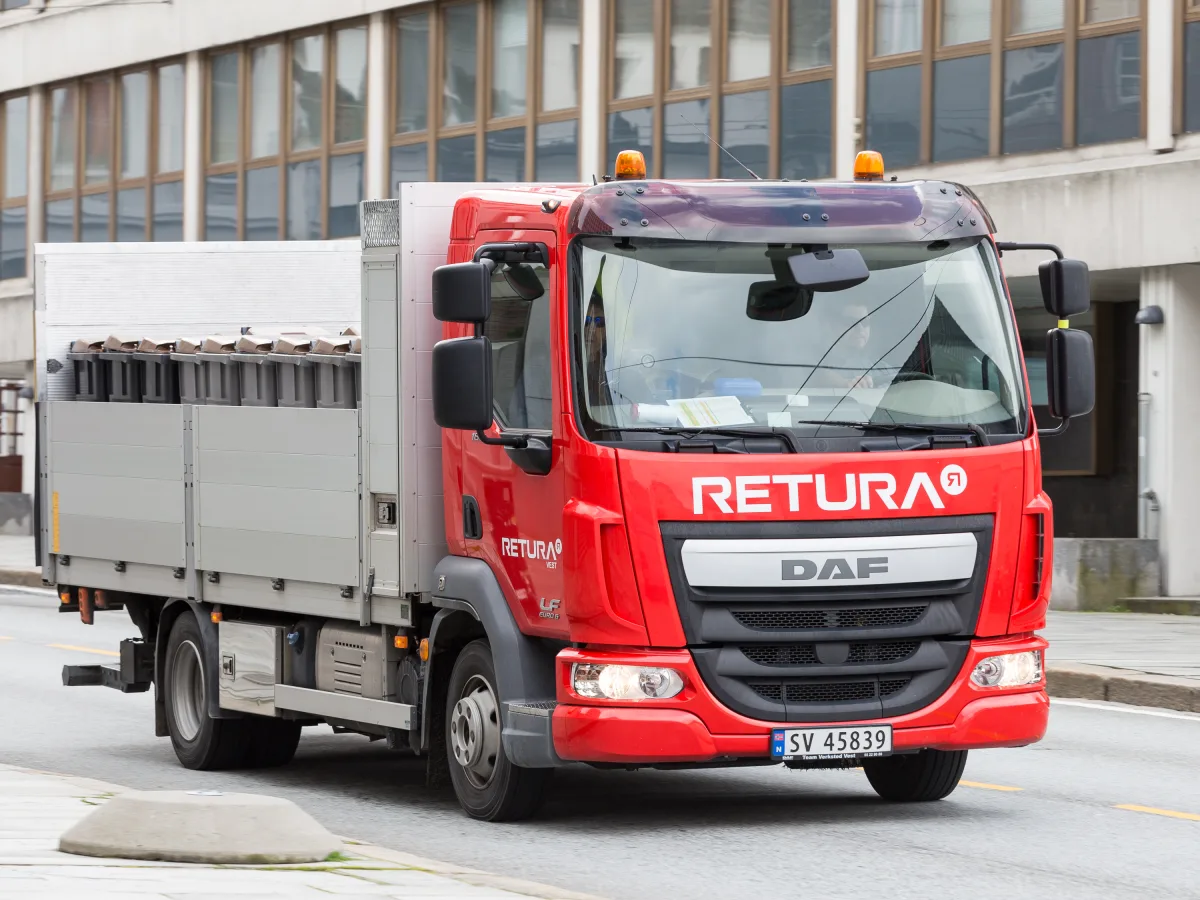
DAF LF: distribution truck, engines and trims
DAF LF — medium-duty distribution truck, produced since 2001. We look at the LF 45 and LF 55 trims, engines and what to check when buying a used LF.






LF in brief
DAF LF is a series of medium-duty trucks designed for urban and regional transport: goods distribution, refrigerated units, municipal services and deliveries. It has been in production since 2001 and is one of the most popular in its class in Europe.
The LF is produced as a chassis cab, onto which a box van, refrigerated unit, flatbed, tipper or refuse collection body can be mounted, so it's important to assess the body condition in the used market.
LF 45 and LF 55 — what's the difference
The LF 45 is the lighter version (roughly 7.5 to 12 tonnes gross vehicle weight), while the LF 55 is the heavier (up to 19 tonnes). As a result, the LF 45 is more commonly used in the city, while the LF 55 is for loads that require a higher gross vehicle weight.
Over the years of production, the LF has been updated: later versions comply with Euro 5 and Euro 6 standards, have a more modern cab and assistance systems. The choice depends on your budget and environmental requirements.
Engines and gearboxes
Earlier LF versions come with Cummins diesel engines (around 4.5 and 6.7 litres), while later Euro 6 versions feature PACCAR PX-5 and PX-7, also around 4.5 and 6.7 litres. Power ranges from roughly 150 to 300 hp, with the number in the name (e.g., LF 45.180) indicating the approximate power.
Transmissions are manual or automatic, depending on the version. For urban deliveries, an automatic transmission is often chosen, while for regional routes, a manual or automated transmission is preferred.
What to check when buying a used LF
First, assess the body condition: check for corrosion on the van, refrigeration unit, or flatbed platform, doors, and the operation of the lifting platform. In refrigeration units, check the operating hours and functionality of the cooling aggregate.
Check the suspension, brakes, clutch, and transmission. Distribution trucks often drive in the city with frequent stopping and starting, so the clutch and brakes wear out faster.
In Euro 5 and Euro 6 vehicles, check the AdBlue system, particulate filter, and error memory. Inspect the engine according to service records and tachograph data, and verify the permissible weight and driver category in the documents.


Trims and versions
Trims and versions vary by market and year; below are the most commonly encountered versions.
Furgonas
All generationsEnclosed body for cargo distribution.
- Often features a rear lifting platform
- Enclosed cargo space
- Suitable for urban deliveries
Šaldytuvas
All generationsInsulated body with a cooling aggregate.
- Cooling aggregate
- Insulated body
- Check the aggregate hours
Borto platforma
All generationsA versatile choice for loads
- Tiltable sides
- Often — a tipper
- Often — a lift platform
Savivartis
All generationsFor construction and municipal services
- Hydraulic cab lift
- Sturdier chassis
- Check the hydraulics
Atliekų surinkimas
All generationsWith a tipping body for municipal services
- Often — an automatic gearbox
- Special body
- High mileage
Comparison of versions
| LF 45 furgonas | LF 55 furgonas | LF šaldytuvas | |
|---|---|---|---|
| Who it's suited to | For city deliveries | For heavy loads | For food delivery |
| Approximate payload | Up to around 12 tonnes | Up to around 19 tonnes | Depends on the version |
| What to check in particular | Body and chassis | Suspension and brakes | Refrigeration unit |
| Usage intensity | Medium or high | High | High |
| Price in the used market (relatively) | €€ | €€ | €€ |
Many buyers will be well-served by a well-maintained LF 45 van or flatbed version with a Euro 5 or Euro 6 engine. Opt for the LF 55 if you need a higher gross vehicle weight rating.
Pros
- A wide range of body styles and versions
- A comfortable and quiet cabin
- Parts and service are widely available
- Generally a reliable construction
Cons
- Special body types can be heavily worn
- Euro 5/6 versions require maintenance of the AdBlue and DPF systems
- The used market varies greatly depending on the body style
Frequently asked questions
How does the LF 45 differ from the LF 55?
The LF 45 is lighter and more commonly used in the city, while the LF 55 is heavier and suited to larger loads. The exact gross vehicle weight rating is determined by the specific version.
What does LF 45.180 mean?
The first part indicates the model class, and the second part is the approximate engine power in horsepower. Check the exact power in your registration documents.
What driving license category is required?
It depends on the gross vehicle weight rating: up to 7.5 tonnes, a C1 category license will do, for heavier vehicles, a C category license is needed. Check the exact weight in your documents.
Updated 2026-10-21 · Trim levels and equipment vary by market and model year — check the equipment of the specific car. · Translated automatically


