 English
 Lietuvių
 Latviešu
 Eesti
 Polski
 Русский
 Українська
 Deutsch
 Nederlands
 Čeština
 Slovenčina
 Svenska
 Norsk
 Dansk
 Suomi


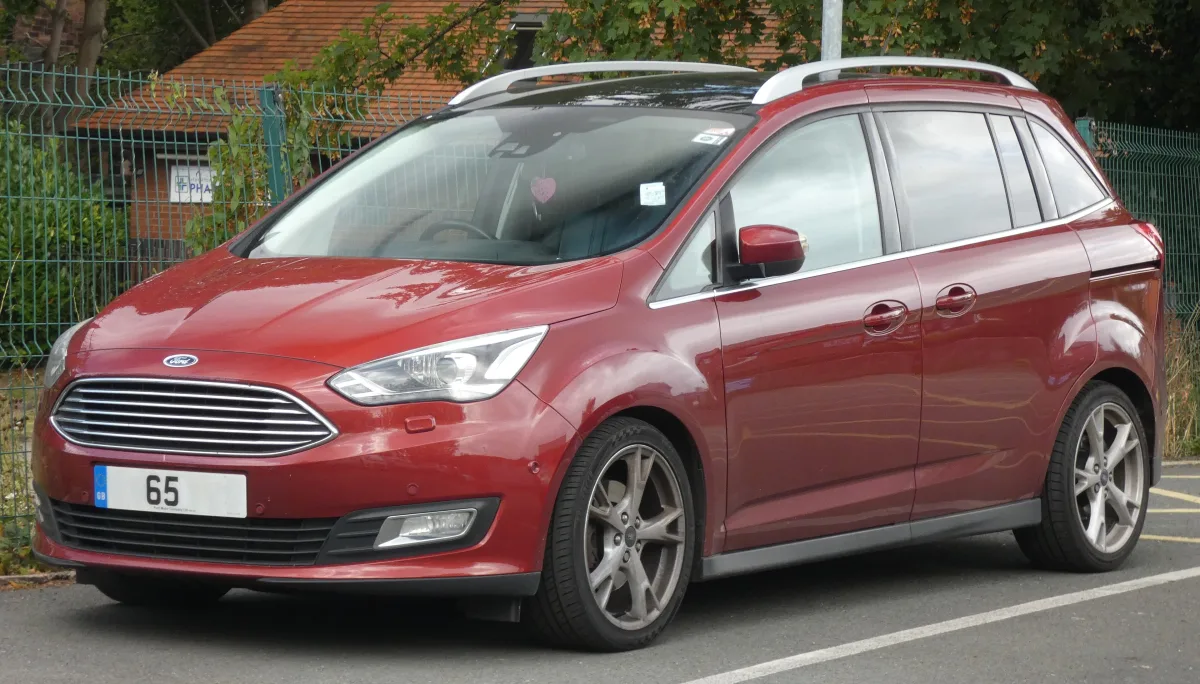
Ford C-Max and Grand C-Max: generations, engines and trims
The Ford C-Max is a compact MPV built on the Ford Focus platform, praised for its spacious interior, high seating position, and excellent handling. In the used market, it appeals to families, while the seven-seater Grand C-Max is favoured by those needing more space. We look at the generations, engines, trims, and what to check before buying.






C-Max in brief
The first Focus C-Max was introduced in 2003, with production ending in 2019. In its second generation, it came in two variants: the five-seater C-Max and the longer Grand C-Max with seven seats and sliding rear doors.
The C-Max shares many components with the Focus, so spare parts and mechanics are readily available. It drives similarly to the Focus, but offers a higher, more practical interior—making it easier to install child seats and fold down the rear seats.
Which generation to choose
The first generation (2003–2010; known as the Focus C-Max until 2007) is technically close to the second-generation Focus. The 2007 refreshed version received a new front end and the C-Max name. Today, most of these cars are quite old and have high mileage.
The second generation (2010–2019) is based on the third-generation Focus platform. It's more modern, safer, and better equipped, with the Grand C-Max offering seven seats. This is the most popular generation in the used market.
The 2015 facelift brought a new front end, improved interior, often with a touchscreen infotainment system, and new 1.5-litre engines. If your budget allows, opt for the facelifted version.
Engines and transmissions
Second-generation models most commonly feature the 1.0 EcoBoost (100–125 hp), 1.6 Ti-VCT (around 105–125 hp) and 1.6 EcoBoost (150–182 hp) petrol engines, and after the facelift, the 1.5 EcoBoost. Diesels include the 1.6 TDCi (around 95–115 hp) and 2.0 TDCi (around 115–163 hp), with the 1.5 TDCi and updated 2.0 TDCi (up to 170 hp) available from 2015.
First-generation models most commonly feature the 1.6 and 1.8-litre petrol engines and 1.6 and 2.0 TDCi diesel engines.
Most C-Max models come with a 5- or 6-speed manual gearbox. Automatics are usually the PowerShift dual-clutch units.
What to check when buying a used C-Max
With a PowerShift gearbox, test the car’s movement from a standstill and slow driving in traffic — juddering, vibration or hesitation when shifting could indicate a clutch or control unit repair.
The timing belt on the 1.0 EcoBoost engine runs in oil, so it’s crucial that the oil is changed on time. Ford conducted a recall campaign for the 1.6 EcoBoost engines due to overheating risks — ask if the work has been done, and check that coolant levels aren’t dropping. For diesel cars, inspect the DPF, EGR and twin turbochargers (smoke when starting or stopping the engine).
For the Grand C-Max, check that the sliding doors operate smoothly, and for all models, inspect the rear suspension mounts and electronics. Check the service history for any issues.


Trim levels
Names and equipment vary by market and year; we list the most common trim levels found in Europe.
Ghia
First generationThe best-equipped version of the first-generation model.
- Light alloy wheels
- Often — automatic climate control
- More comfortable interior trim
Ambiente
First, second generationBase trim — simple and most affordable.
- Steel wheels
- Basic sound system
- Often — manual air conditioning
Trend
First, second generationMost commonly encountered mid-range trim.
- Air conditioning
- Often — light alloy wheels
- Often — cruise control and fog lights
Titanium
Second generationMost popular well-equipped second-generation version.
- Light alloy wheels
- Often — dual-zone climate control and keyless entry
- Often — multimedia with a touchscreen (from 2015 onwards)
Titanium X
Second generation (in some markets)The version with the most equipment.
- Often — panoramic roof
- Often — xenon headlights
- Often — partial leather interior
Comparison of second-generation trims
| Ambiente | Trend | Titanium | |
|---|---|---|---|
| Who it's for | For the tightest budget | For everyday family use | More comfort |
| Alloy wheels (most often) | 15–16 inch steel wheels | 16 inch alloy wheels | 16–17 inch lightweight alloy wheels |
| Climate control | Often — manual air conditioning | Air conditioning | Often — dual-zone automatic |
| Multimedia | Basic sound system | Often — sound system with Bluetooth | Often — touchscreen (post-2015) |
| Price in the used market (relatively) | Budget | Budget | Mid-range |
For most buyers, the best choice is a 2015–2019 Trend or Titanium with a manual gearbox. If you need seven seats, go for the Grand C-Max, although the third row is better suited to kids.
Pros
- Spacious, tall and practical interior
- Good driving dynamics, similar to the Focus
- Grand C-Max — seven seats and sliding doors
- Many shared parts with the Focus — repairs aren't expensive
Cons
- Repairs to the PowerShift gearbox can be pricey
- Grand C-Max third row is cramped
- Production ended in 2019, so the selection is dwindling
Frequently asked questions
What's the difference between the C-Max and Grand C-Max?
The Grand C-Max is longer, has seven seats, and features rear-hinged doors, making it more convenient in tight parking spots. The five-seater C-Max is shorter and often slightly cheaper in the used market.
Which C-Max engine is the best?
For high-mileage drivers, the 1.6 or 2.0 TDCi diesels, or post-2015 1.5 and 2.0 TDCi diesels, are ideal. For those who mostly drive in the city, a petrol engine like the 1.6 Ti-VCT without a turbo or a well-maintained 1.0 EcoBoost might be more sensible.
Is the Ford C-Max reliable?
A well-maintained C-Max is a sturdy family car. The most common issues can stem from the PowerShift gearbox, diesel DPF, dual-clutch system, and 1.0 EcoBoost service intervals, so it's crucial to check the service history and have it inspected before buying.
Updated 2026-10-09 · Trim levels and equipment vary by market and model year — check the equipment of the specific car. · Translated automatically


