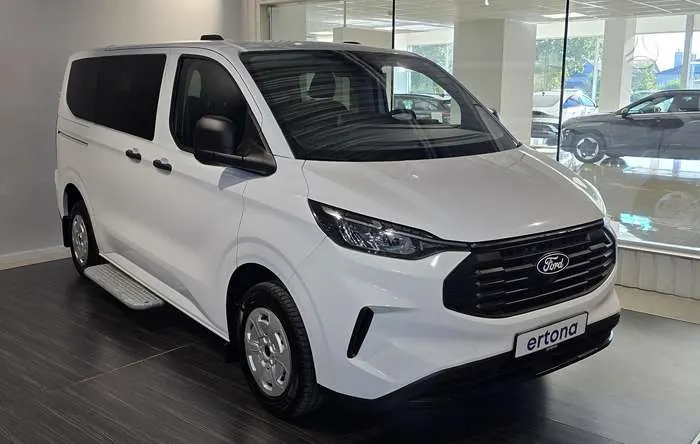
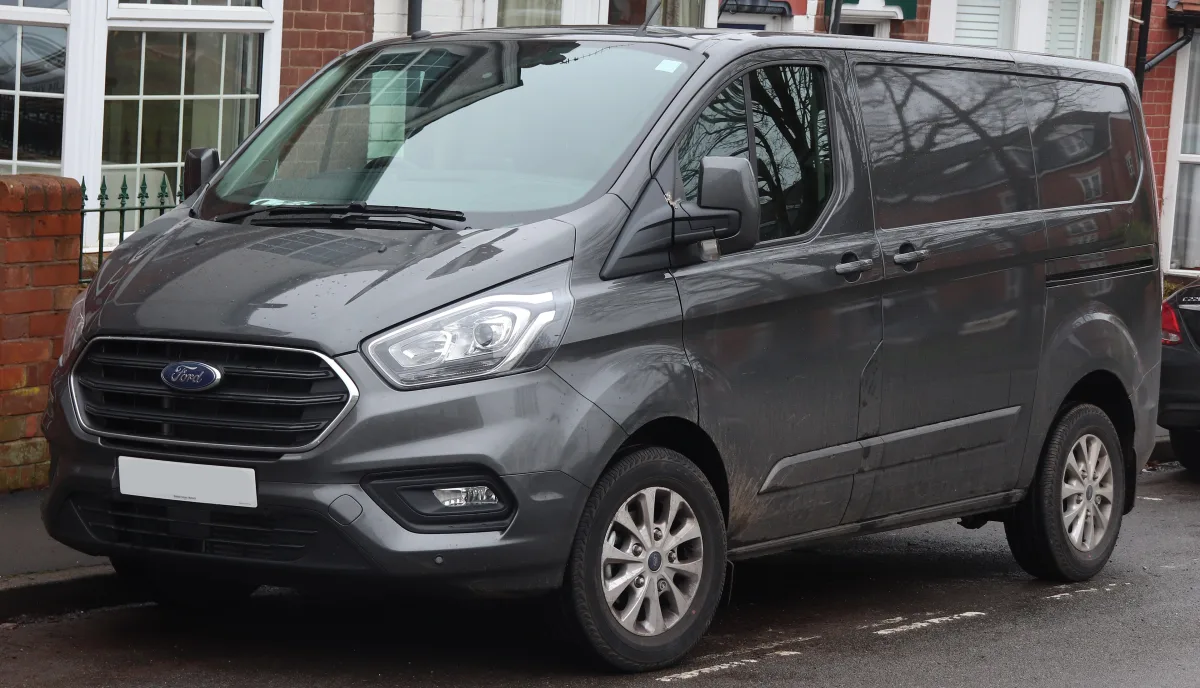
Ford Transit Custom: 1st and 2nd generations, engines and trims
Ford Transit Custom — a mid-size van, one of the most popular in its class across Europe. We look at how the 1st and 2nd generations differ, which engines are most common, what body variants are available, and what to check when buying a used Transit Custom.
ADVERTISEMENT
Transit Custom in brief
The Transit Custom was introduced in 2012 as a smaller, lighter alternative to the larger Transit vans. The 1st generation was produced until 2023 (refreshed in 2018), and the fully new 2nd generation debuted in 2023.
The vehicle is offered as a cargo van, a double-cab-in-van (Double Cab-in-Van), and a passenger Kombi variant; the more comfortable passenger version is called the Tourneo Custom. There are two lengths and two heights of body, so you can choose a van to suit your cargo and work needs.
1st and 2nd generation — what's the difference
The 1st generation (2012–2023) is the most common in the used market. The 2018 refresh brought a new front end, a much more modern interior with a larger multimedia screen, and more driver-assistance systems. Refreshed models typically command higher prices.
The 2nd generation (from 2023) features a completely new body and interior, digital instruments, a large multimedia screen, and a wider range of gearboxes. For the first time, an electric E-Transit Custom and a plug-in hybrid are offered.
If you need an affordable workhorse, the refreshed 1st generation often suffices. The 2nd generation is pricier but offers comfort and features closer to those of passenger cars.
Engines and gearboxes
Early first-generation models often feature the 2.2 TDCi diesel engine (around 100–155 hp). From 2016, this was replaced by the 2.0 EcoBlue diesel (around 105–185 hp), with mild hybrid versions also becoming available later. A plug-in hybrid was also offered, where the 1.0 EcoBoost engine acts as a battery charger.
In the second generation, the lineup is anchored by the 2.0 EcoBlue diesel engines (around 110–170 hp), a plug-in hybrid, and the electric E-Transit Custom. All-wheel-drive versions are also available.
Most first-generation models come with a 6-speed manual transmission, while later models also offer an automatic. In the second generation, the automatic transmission is more common.
What to check when buying a used Transit Custom
Many Transit Customs have been used by courier or construction companies, so mileage can be high. Check this against service records, and test the suspension and subframe by driving uphill and listening for vibrations and rattles.
The timing chain for the 2.0 EcoBlue engine runs in oil, so it's crucial that the oil is changed on time and to the manufacturer's specifications. Also, check the injectors, diesel particulate filter (DPF), EGR valve, and AdBlue system.
Inspect the sliding doors and their runners, the cargo area floor and walls, the suspension, and the brakes. Check the body for rust, especially on the door sills, wheel arches, and lower edges, particularly on older models.
ADVERTISEMENT
Versions and trims
Names and equipment vary by market and year; we list the most common Transit Custom versions found in Europe.
Furgonas (Van)
First and second generations
Pickup version — most commonly found in the used market.
2–3 seats in the cab
Two lengths and two heights
Often — one or two sliding doors
Double Cab-in-Van
First and second generations
Van with a second row of seats for work crews.
Up to 6 seats
Smaller cargo area behind the seats
Ideal for builders and fitters
Kombi
First and second generations
Passenger version with windows and seats.
Often — 8–9 seats
Simpler trim than Tourneo Custom
Suitable for passenger transport
Trend
First and second generations
Most popular trim — more kit for a sensible price
Often — air conditioning and cruise control
Often — multimedia with a screen
Often — parking sensors
Limited
First and second generations
The best-equipped standard version.
Light-alloy wheels
Body-coloured bumpers
Often — automatic climate control and more comfort features
Sport
First and second generations
Sporty-looking version with a more powerful engine.
Sporty bumpers and decorative stripes
Larger light-alloy wheels
Often — the most powerful diesel engine
Comparing versions
Furgonas (Trend)
Double Cab-in-Van
Kombi
Limited
Who it's for
For cargo and work
Work crews with tools
For transporting passengers
Comfort at work
Most common (options)
Alloy wheels
Alloy wheels
Alloy wheels
Light alloy
Seating positions
2–3
Up to 6
Often 8–9
2–3
Engine
2.2 TDCi, 2.0 EcoBlue
2.0 EcoBlue
2.0 EcoBlue
2.0 EcoBlue
Price in the used market (relatively)
€
€€
€€
€€
For most buyers, the best choice is a facelifted first-gen van with a 2.0 EcoBlue engine and a verified service history. The second-gen is worth considering if modern kit and greater comfort are important.
Pros
A wide range of options and plenty of body styles
Driving experience similar to a light car
Efficient and adequately powerful diesel engines
Comfortable and functional cabin
Cons
Many high-mileage vehicles
The EcoBlue engine is sensitive to oil maintenance
Repairs to the suspension and diesel system can be expensive
Frequently asked questions
How does the Transit Custom differ from the Transit?
The Transit Custom is a mid-sized van, while the Transit is larger, taller, and designed for bigger loads. The Custom is more city-friendly and often chosen as a versatile workhorse.
What's the difference between the Transit Custom Kombi and Tourneo Custom?
Both are passenger models, but the Kombi is more basic and better suited for transporting goods, while the Tourneo Custom offers a more comfortable interior, better sound insulation, and more features.
Is the 2.0 EcoBlue engine reliable?
A well-maintained 2.0 EcoBlue can last a long time, but it's sensitive to oil quality and change intervals, as the timing chain runs in oil. Before buying, it's worth checking the service history and asking if the chain has been replaced.
Updated 2026-10-09 · Trim levels and equipment vary by market and model year — check the equipment of the specific car. · Translated automatically
Comments
No comments about the Ford Transit Custom yet. Share your experience.
We use necessary cookies to run the website. With your consent, we will also use analytics and advertising measurement cookies — to understand how the website is used and to measure our advertising results. Learn more
 English
 Lietuvių
 Latviešu
 Eesti
 Polski
 Русский
 Українська
 Deutsch
 Nederlands
 Čeština
 Slovenčina
 Svenska
 Norsk
 Dansk
 Suomi


 4