 English
 Lietuvių
 Latviešu
 Eesti
 Polski
 Русский
 Українська
 Deutsch
 Nederlands
 Čeština
 Slovenčina
 Svenska
 Norsk
 Dansk
 Suomi


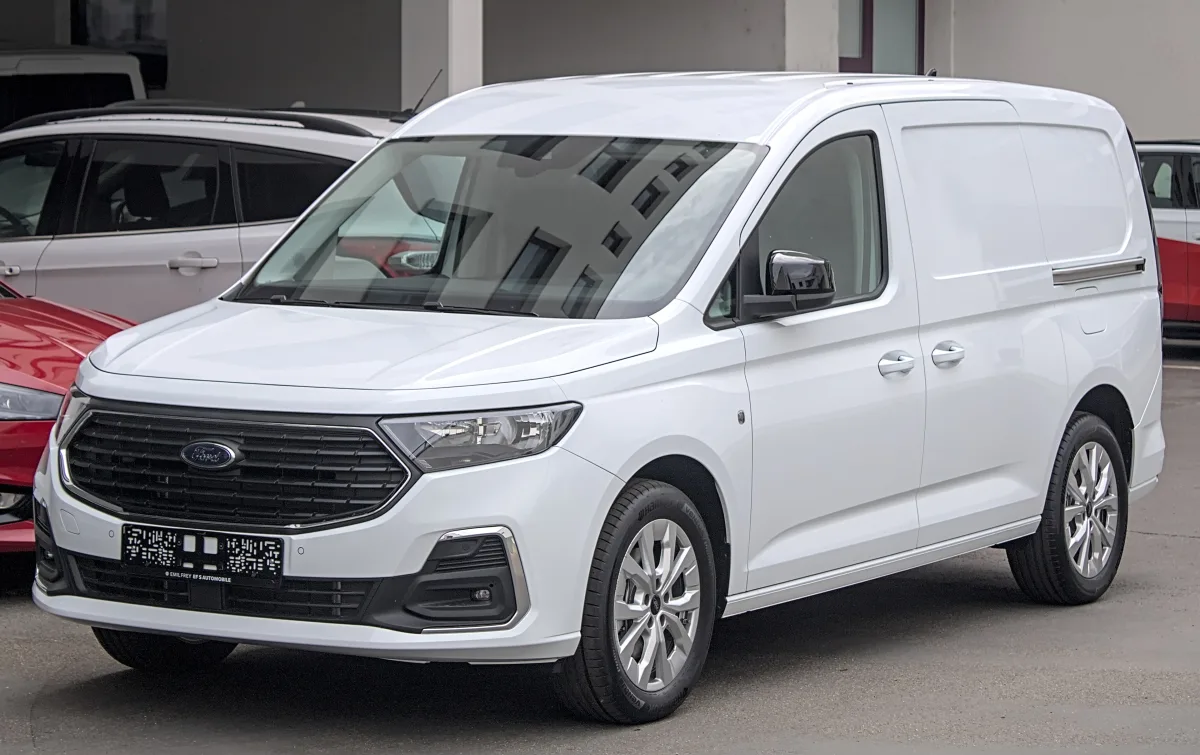
Ford Transit Connect: generations, engines and trims
The Ford Transit Connect is a compact van and the passenger version, Tourneo Connect, is popular in Lithuania among tradespeople and delivery companies. We look at the generations, engines, lengths and what to check when buying used.






Transit Connect in brief
The Transit Connect is a compact member of the Transit family of vans, produced since 2002. It's designed for urban deliveries, tradespeople and small businesses. Also available is the passenger version, Tourneo Connect (Grand Tourneo Connect), with windows.
The van comes in two lengths (short and long wheelbase), with one or two sliding doors, a single or double row of seats in the cab and a bulkhead. It's typically a practical, economical and straightforward vehicle.
Generations — what's the difference
First generation (2002–2013) — a simple, older design with plenty of 1.8 TDCi diesels. Today, it's the cheapest but also the most age-affected option, requiring careful checks for corrosion and engine condition.
Second generation (2013–2022) — a more modern interior and newer engines (1.5 and 1.6 TDCi diesels, 1.0 EcoBoost petrol). This is the most commonly found used model on the market.
Third generation (from 2022) — developed with Volkswagen on the Caddy platform, it features different engines and more driver assistance systems. This is the newest and most expensive option.
Engines and gearboxes
Most common in the first generation is the 1.8 TDCi diesel in various power outputs; petrol engines are also available. In the second generation, you'll find the 1.6 TDCi and later 1.5 TDCi diesels (roughly 75–120 hp), as well as the 1.0 EcoBoost petrol.
The third generation uses Volkswagen Group engines: the 2.0 EcoBlue diesel, petrol variant, and a plug-in hybrid. Gearboxes are manual or automatic, depending on the engine.
What to check when buying a used Transit Connect
First up is corrosion: check the underside of the sliding doors, wheel arches, sills, and cargo area floor. Commercial vehicles are often heavily used, so body parts might be repainted or repaired.
For diesel engines, check the injectors, turbo, DPF, and EGR, as well as the condition of the sump and dual-mass flywheel. The engine should start without a long crank and have no oil leaks.
Inside, check the seats, air conditioning, and electrical functions. Verify the service history and MOT records, especially if the vehicle was used as a company car.


Trims and versions
Trim names vary by market and year; below are the versions most commonly found in Europe.
Furgonas (trumpa bazė)
First to third generationsA compact version for urban deliveries.
- A shorter cargo area
- Often comes with a single pair of sliding doors
- Easier to park
Furgonas (ilga bazė)
First to third generationsMore cargo space for longer items.
- A longer cargo area
- More cargo space
- Often — twin sliding doors
Trend
Second generationThe most popular mid-range trim.
- Often — air conditioning and electric windows
- Basic interior
- Adequate multimedia
Limited
Second and third generationsHigher trim with more comfort.
- Often — alloy wheels
- Often — parking sensors and climate control
- Better interior
Tourneo Connect
Second and third generationsPassenger version with windows and a second row of seats
- Five or seven seats
- Side windows
- Higher spec than the van
Comparing Transit Connect versions
| Furgonas trumpas | Furgonas ilgas | Tourneo Connect | |
|---|---|---|---|
| Who it's for | City deliveries | More cargo space | For families and passengers |
| Body style | Van | Van | Passenger version |
| Engine | Mostly diesel | Mostly diesel | Diesel or petrol |
| Price in the used market (relatively) | € | €€ | €€ |
Most hobbyists will prefer the long-wheelbase second-gen model with the 1.5 TDCi. Families should consider the Tourneo Connect, while city runs can make do with the short wheelbase.
Pros
- An economical and straightforward commercial van
- A wide range of lengths and versions to choose from
- Plenty of spare parts and servicing options
- The Tourneo Connect passenger version is ideal for families
Cons
- First-gen models suffer from corrosion and age
- There are plenty of high-mileage examples on the used market
- Diesel DPF and EGR issues can be a headache in city driving
Frequently asked questions
Which Transit Connect generation is best to buy used?
Most buyers will prefer the second-gen (2013–2022), which offers more modern tech and a better choice. The third-gen is newer but pricier.
How does the Tourneo Connect differ from the van?
The Tourneo Connect is the passenger version with windows, a second row of seats, and better trim, while the van has a bulkhead and a larger cargo area.
Is diesel the best choice?
For high-mileage drivers and those with heavy loads, yes. If you mostly drive short distances in the city, the DPF filter might not get enough long journeys, so consider the petrol EcoBoost.
Updated 2026-10-21 · Trim levels and equipment vary by market and model year — check the equipment of the specific car. · Translated automatically


