 English
 Lietuvių
 Latviešu
 Eesti
 Polski
 Русский
 Українська
 Deutsch
 Nederlands
 Čeština
 Slovenčina
 Svenska
 Norsk
 Dansk
 Suomi


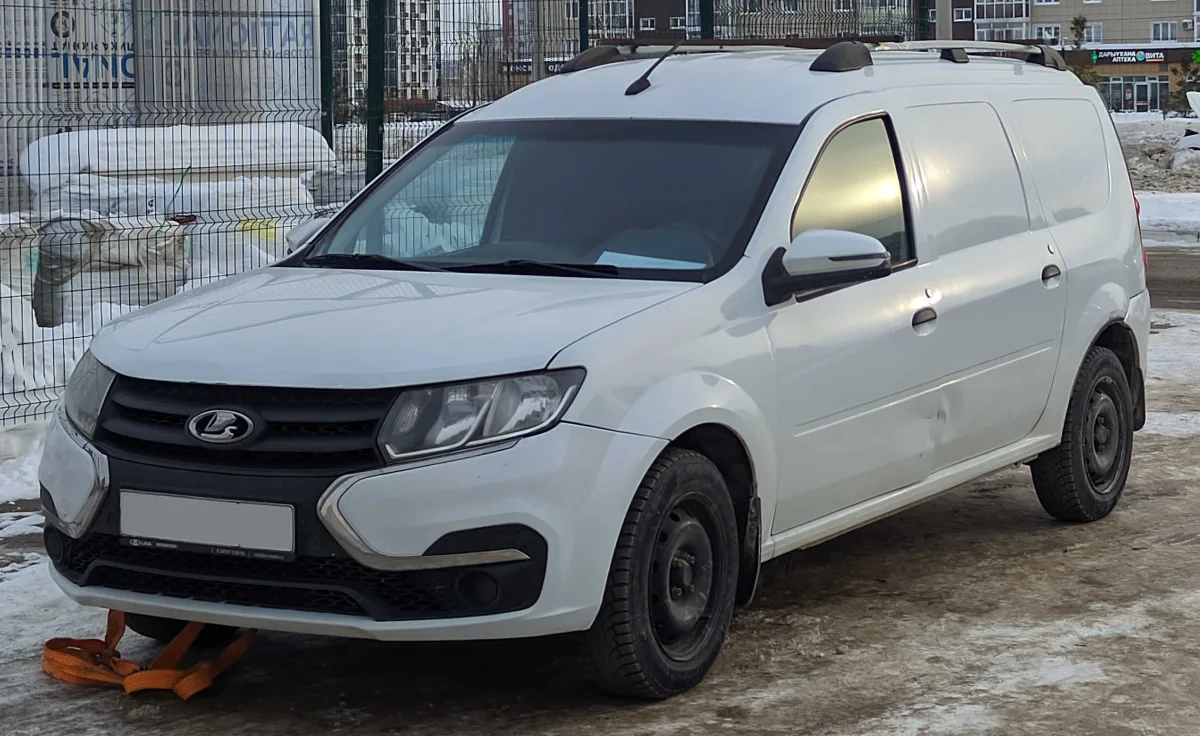
Lada Largus: estate, van and Cross — engines and trims
Lada Largus — since 2012, this estate car has been produced in Russia based on the Dacia Logan MCV. We look at the body styles, engines, trims and what to check when buying a used Lada Largus.






Largus in brief
The Largus is a practical family or work estate, offered in five- and seven-seat versions as well as a van. Its underpinnings are based on the Renault and Dacia Logan MCV, so many of the parts are familiar.
This car is rare in Lithuania, often imported from other countries. Before buying, check the documents, registration legitimacy and the car's true origin.
Which version to choose
The main variants are the five- and seven-seat estate, the van and the raised Largus Cross version. The seven-seater is ideal for families, while the Cross offers greater ground clearance and plastic body protection.
Later models usually come with more equipment and refinements. When choosing, look at more than just the year; check the service history too.
Engines and gearboxes
Most commonly found are 1.6-litre petrol engines: 8-valve (around 85–90hp) and 16-valve (around 100–106hp). Check the exact power output in the car's documents, as it varies by year.
Gearboxes are mostly five-speed manual. Some markets saw automatic variants, but they are rarer.
What to check when buying a used Largus
Check the engine: it should start easily, have no oil leaks, and not make excessive noise. Test the gearbox and clutch.
Inspect the body for rust, especially around the wheel arches and rear doors. Check the suspension and brakes, as the car often works hard.
Find out if there are spare parts available and who can service the car, as there might not be an official network in Lithuania.


Trim levels
Names and equipment vary by market and year; we list the most common trims found in Europe.
Standard
by yearBase trim.
- Often — steel wheels
- Basic interior
- Standard equipment
Norma
by yearMid-range trim with more comfort features.
- Often — air conditioning
- Often — electric windows
- Often — sound system
Luxe
by yearHigher trim level.
- Often — alloy wheels
- Often — climate control
- Often — rear-view camera or sensors
Cross
from 2014Upped version for the estate
- Higher ground clearance
- Protective plastic trim
- Often — alloy wheels
Trim comparison
| Standard | Norma | Luxe | Cross | |
|---|---|---|---|---|
| Who it suits | For the tightest budgets | For daily use and families | For comfort | For rough roads |
| Wheels (often) | 15 col. | 15–16 col. | 16 col. | 16 col. |
| Air conditioning | Often not included | Included | Climate control | Included |
| Engine | 1.6 l | 1.6 l | 1.6 l | 1.6 l |
| Price in the used market (relatively) | € | € | €€ | €€ |
For families and daily use, the Norma or Luxe trims are great, while the Cross is ideal if you frequently drive on rough roads. The Standard trim is only suitable when price is the top priority.
Pros
- Accessible price
- Spacious interior and boot
- Seven-seater option
- Basic technology
Cons
- Limited service network in Lithuania
- Simpler interior trim
- Lower residual value
Frequently asked questions
Does the Largus have seven seats?
Yes, a seven-seater version is available. There's also a five-seater estate and a van.
Does the Largus have an automatic gearbox?
Most models come with a five-speed manual gearbox. Automatic versions are rarer.
What is the Largus similar to?
The technology is based on the Dacia Logan MCV, so some parts are similar to Renault and Dacia cars.
Updated 2026-10-17 · Trim levels and equipment vary by market and model year — check the equipment of the specific car. · Translated automatically


