 English
 Lietuvių
 Latviešu
 Eesti
 Polski
 Русский
 Українська
 Deutsch
 Nederlands
 Čeština
 Slovenčina
 Svenska
 Norsk
 Dansk
 Suomi


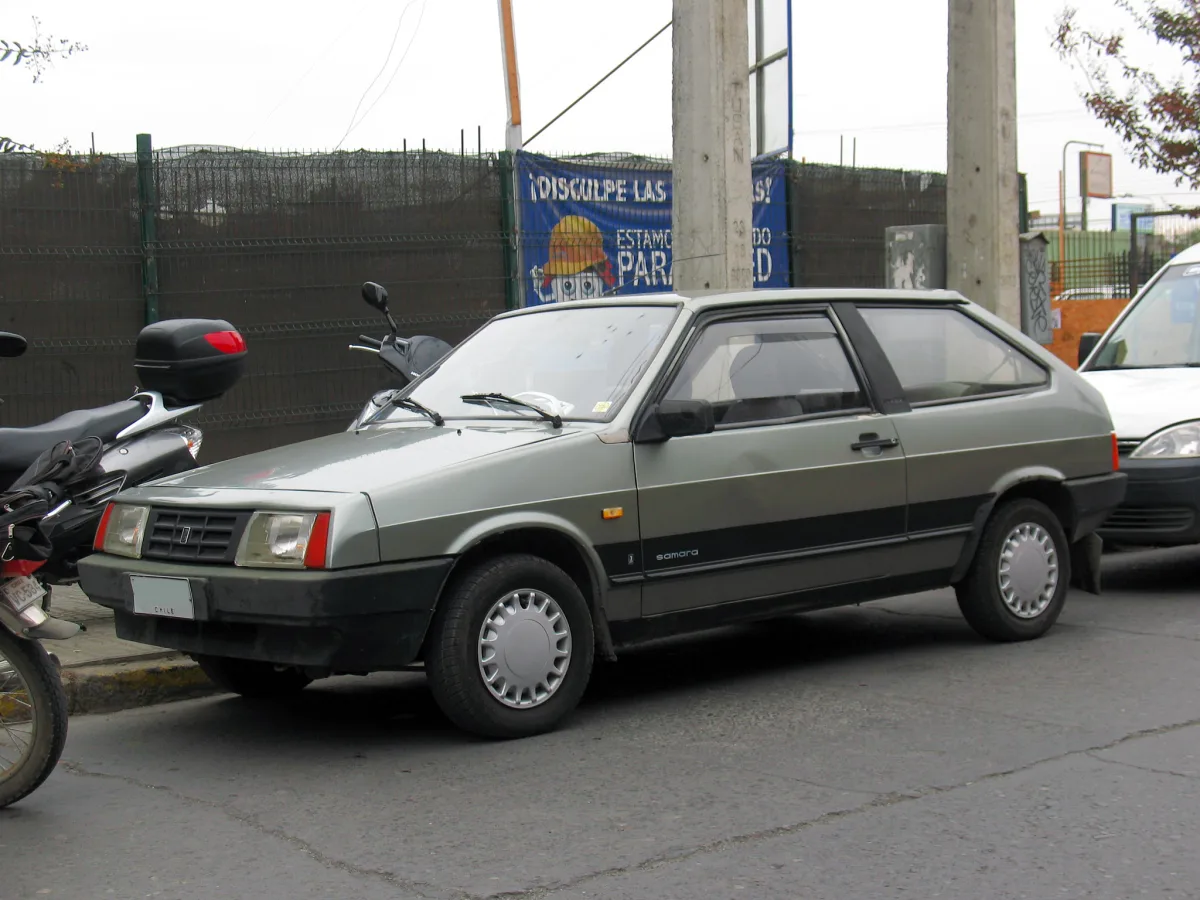
Lada Samara: front-wheel drive Lada, versions and what the buyer should know
Lada Samara (1984–2013) — the first front-wheel drive mass-produced AvtoVAZ model, available as a hatchback and sedan. We look at the versions, engines and what to check when buying such a classic car.






Samara in brief
The Samara was produced as the first-generation hatchback (2108 and 2109) and sedan (21099), followed by the refreshed Samara-2 range (2113, 2114, 2115). Unlike earlier Ladas, it featured a transversely mounted engine and front-wheel drive.
Today, it's an affordable, straightforward car with plenty of parts still available. Most surviving Samaras are quite old, so the body condition is key.
The original Samara and Samara-2
First-generation cars (2108, 2109, 21099) have simpler interiors and boxier bodies. Samara-2 versions got a refreshed front and rear, improved cabin and more modern engines, some with fuel injection.
Newer Samara-2 versions are generally better protected against corrosion, but the true condition is shown by inspection, not the year of manufacture.
Engines and gearboxes
First-generation Samaras typically had 1.1, 1.3 or 1.5-litre petrol engines with carburettors. Later versions came with fuel injection. Power was modest, so the car is best suited to everyday, relaxed driving.
The gearbox is manual (five-speed). The design is simple, so some work can be done yourself, and repairs are usually inexpensive.
What to check when buying a used Samara
First up — corrosion: check for rust on the wheel arches, door sills, boot floor, and front wings. This is the main risk with a car of this age.
Check the engine's operation, the condition of the carburettor or fuel injection system, clutch, and gearbox. Test the brakes, steering play, and ride.
Before buying, check if the car can be registered and if the paperwork is in order, as these cars often have an incomplete history.


Versions
Names and equipment vary by market and year; we list the most commonly encountered names in Europe.
2108 / 2109 (hečbekas)
1984–early 2000sFirst-generation hatchback: three-door (2108) and five-door (2109).
- Hatchback body style
- Petrol engines ranging from 1.1 to 1.5 litres
- Simple design
21099 (sedanas)
From 1990First-generation saloon with a separate boot.
- Saloon body style
- Same technology as the hatchback
- Often — a larger boot
Samara-2 (2113, 2114, 2115)
From the late 2000s to 2013Updated family: hatchback (2113 and 2114) and saloon (2115)
- Refreshed styling
- Some cars with direct injection
- Usually better interior quality
Comparing versions
| 2108/2109 | 21099 | Samara-2 | |
|---|---|---|---|
| Who it suits | Ideal for everyday use | For those who need a saloon | For those seeking a newer variant |
| Body | Hatchback | Saloon | Hatchback or saloon |
| Engine system | Mostly carburettor | Carburettor or fuel injection | More often fuel injection |
| Price in the used market (relatively) | € | € | € |
The Samara is a great choice for a cheap and simple car. Opt for the best-condition examples, not the version.
Pros
- Simple construction and affordable maintenance
- Front-wheel drive and a comfortable interior
- Good parts availability
- Very cheap in the used market
Cons
- Risk of corrosion
- Modest power and comfort
- Lower safety levels than modern cars
Frequently asked questions
What's the difference between the 2108, 2109 and 21099?
The 2108 is a three-door hatchback, the 2109 a five-door hatchback, and the 21099 a sedan. The technology in these models is very similar.
What is the Samara-2?
This is the refreshed Samara family (2113, 2114, 2115), featuring a revised body design and interior, along with more modern engines.
Is the Samara reliable?
The construction is simple, but due to its age, maintenance and corrosion condition play a big role. Get a thorough inspection before buying.
Updated 2026-10-19 · Trim levels and equipment vary by market and model year — check the equipment of the specific car. · Translated automatically


