 English
 Lietuvių
 Latviešu
 Eesti
 Polski
 Русский
 Українська
 Deutsch
 Nederlands
 Čeština
 Slovenčina
 Svenska
 Norsk
 Dansk
 Suomi


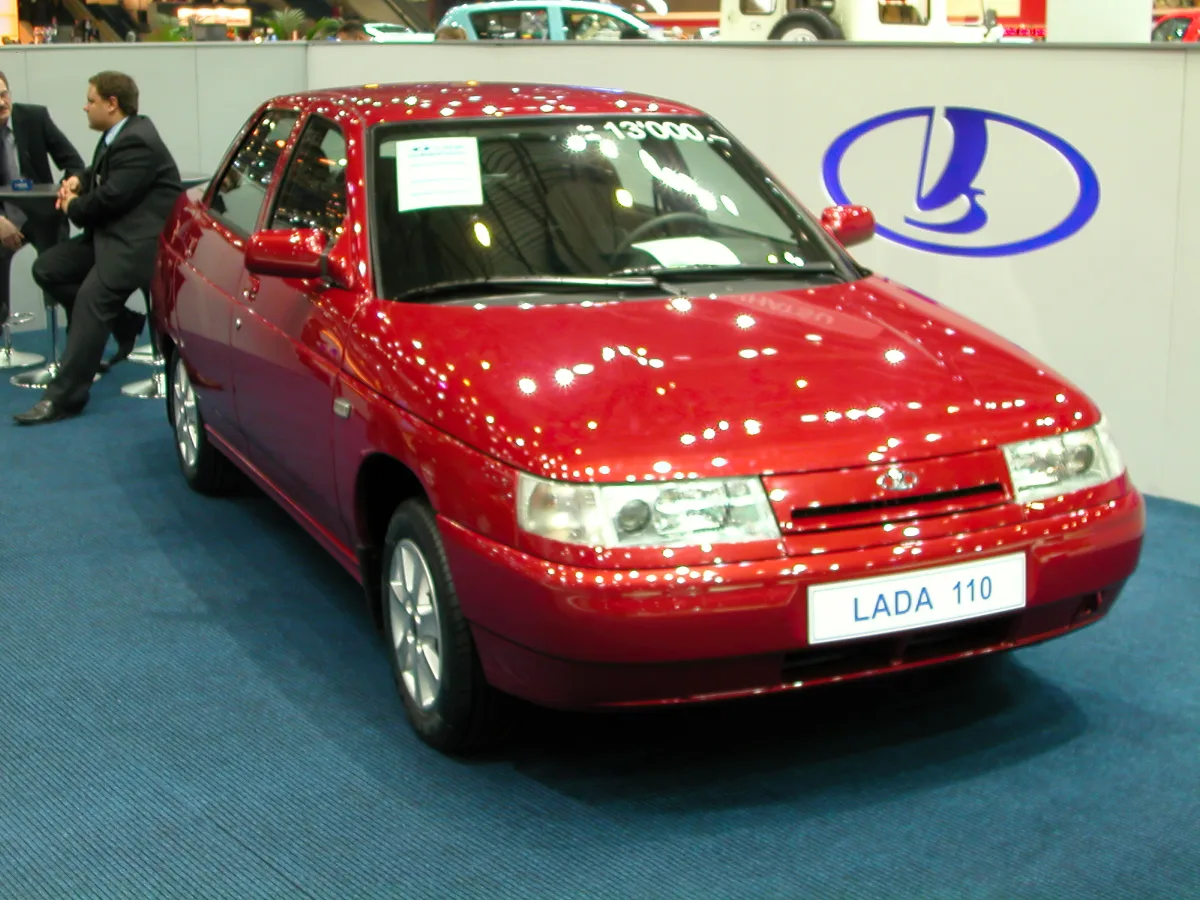
Lada 110: sedan, estate and hatchback — engines and what the buyer should know
Lada 110 (internal code VAZ-2110, 1995–2009) — a front-wheel-drive AvtoVAZ sedan that replaced the Samara sedan. We look at the body styles, engines and what's important to check before buying a used Lada 110.






Lada 110 in brief
The Lada 110 was AvtoVAZ's attempt to offer a more modern and higher-quality car than the Samara. A new body, more aerodynamic lines and an improved interior attracted many buyers in Eastern Europe.
Today, it's an affordable, straightforward car with good parts availability, but most remaining examples are getting old, so the condition of the body and engine is crucial.
Sedan, estate and hatchback
As well as the sedan (2110), there was also an estate (2111) and a five-door hatchback (2112). The technology for these bodies is very similar, differing mainly in boot space and practicality.
The estate is ideal for those needing more cargo space, while the hatchback is more compact and often sportier. When choosing, focus on the engine and condition, not the body style.
Engines and gearboxes
The Lada 110 offers 1.5 and 1.6-litre petrol engines with 8 or 16 valves. The 16-valve versions are more powerful (around 90–100hp), while the 8-valve engines are simpler and heavily dependent on maintenance.
The gearbox is a five-speed manual. The design is simple, so some work can be easily done yourself.
What to check when buying a used Lada 110
First, inspect the body: check for dents, wheel arches, door sills, boot floor, and front wheel arches. Corrosion is the primary risk with cars of this age.
Check the engine operation (no smoke and no unusual noises), the service history of the distribution system, the clutch, and the gearbox. Test the brakes and suspension.
Check the electrical equipment: lighting, window and lock operation. Ask for the documents and ensure the car can be registered.


Versions
Names and equipment vary by market and year; we list the most commonly encountered names in Europe.
2110 (sedanas)
1995–2009The base body style.
- Classic saloon body style
- 1.5 or 1.6-litre petrol engine
- Simple design
2111 (universalas)
1995–2009Estate body style with a larger boot.
- More cargo space
- Same technology as the saloon
- Practical for families
2112 (hečbekas)
1995–2009Five-door hatchback.
- Compact body
- Often a 16-valve engine
- Sportier character
Comparing versions
| 2110 | 2111 | 2112 | |
|---|---|---|---|
| Who it suits | For daily driving | For hauling stuff | City and highway driving |
| Body style | Sedan | Estate | Hatchback |
| Engine | 1.5–1.6-litre | 1.5–1.6-litre | 1.5–1.6-litre, often 16V |
| Price in the used market (relatively) | € | € | € |
The Lada 110 is a budget-friendly and straightforward car. Choose based on the body style, but first and foremost — based on its technical condition.
Pros
- Simple construction and low maintenance costs
- Good parts availability
- Three body styles
- Very affordable in the used market
Cons
- Risk of corrosion
- Cozy comfort and safety
- Some cars have an incomplete history
Frequently asked questions
What sets the 2110, 2111, and 2112 apart?
The 2110 is a sedan, the 2111 is a station wagon, and the 2112 is a hatchback. The technology in these versions is very similar.
Which engine is better?
16-valve engines are more powerful, while 8-valve engines are simpler and cheaper to maintain. Your choice depends on your needs and the car's condition.
Is the Lada 110 reliable?
The construction is simple, but due to its age, maintenance plays a significant role. Before buying, conduct a thorough inspection.
Updated 2026-10-19 · Trim levels and equipment vary by market and model year — check the equipment of the specific car. · Translated automatically


