 English
 Lietuvių
 Latviešu
 Eesti
 Polski
 Русский
 Українська
 Deutsch
 Nederlands
 Čeština
 Slovenčina
 Svenska
 Norsk
 Dansk
 Suomi


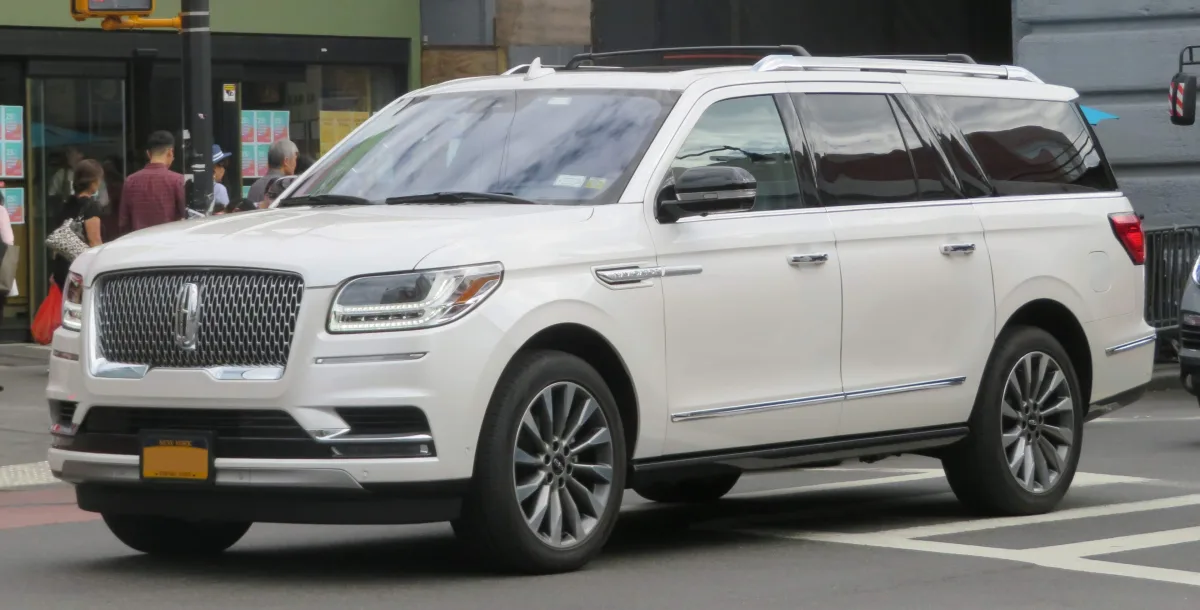
Lincoln Navigator: generations, engines, and what to know when buying used
The Lincoln Navigator is a large American luxury SUV that has been in production since 1998. It is not officially sold in Europe, so in Lithuania, you mostly encounter imported vehicles. We'll discuss the generations, engines, trims, and what to check before purchasing.






Navigator at a glance
The Navigator is a large seven or eight-seater SUV that Lincoln created as a luxurious alternative to the Cadillac Escalade. It shares its underpinnings with the Ford Expedition, but the interior and features are significantly more upscale.
The vehicle is very spacious, with a large boot, and most versions come with four-wheel drive. You often encounter the longer body style, known as the Navigator L.
Which generation to choose
The first and second generations (1998–2006) are quite old, so most of them require substantial investments. The third generation (2007–2017) is the most popular in the used market, and later versions introduced a turbocharged V6 engine.
The fourth generation (from 2018) is much more modern: it features an aluminium body, a new interior design, more driver-assistance systems, and a powerful V6 engine. If your budget allows, opt for this generation.
Engines and transmissions
Earlier Navigator generations had V8 petrol engines. Later third-generation models and the fourth generation use a 3.5-litre V6 twin-turbo engine, with around 450 hp in the fourth generation.
Transmission — automatic, fourth generation — ten-speed. Drive — rear-wheel or all-wheel. There were no diesel versions.
What to check when buying a used Navigator
Since the car is imported, check its history via the VIN, mileage, and whether it has been in an accident. Ensure that the documents are in order and that the car is properly registered.
Test the air suspension if present, as well as all electronic systems, screens, cameras, and seat functions. For turbocharged engines, check the oil leaks and cooling system.
Parts are easier to find than for many rare imported cars, as the technology is similar to Ford. However, specific interior and equipment parts can be pricey.


Trim levels
Names and equipment vary by market and year; we list the versions and trims most commonly found in Europe.
Premiere
2018–Base trim for the fourth generation.
- Standard comfort and safety features
- Often — leather interior
- Large multimedia screen
Reserve
2018–Higher trim with more equipment.
- More comfort features
- Often — air suspension
- Luxurious interior
Black Label
2018–The top-tier, most luxurious version.
- Distinctive interior
- Packed with features
- Special colour and trim themes
Trim comparison
| Premiere | Reserve | Black Label | |
|---|---|---|---|
| Who it's for | Everyday family use | For comfort | For maximum luxury |
| Engine | 3.5-litre V6 biturbo | 3.5-litre V6 biturbo | 3.5-litre V6 biturbo |
| Interior | Single-tone, standard trim | More luxurious trim | Distinctive interior |
| Price in the used market (relatively) | €€ | €€€ | €€€ |
For most buyers, the Premiere or Reserve trims are sufficient. The Black Label is worth considering only when maximum luxury is paramount.
Pros
- Very spacious interior and boot
- Luxurious features
- Powerful V6 engine in newer generations
- Quiet and comfortable ride
Cons
- Not officially sold in Europe
- High fuel consumption
- Large size, difficult to park
Frequently asked questions
Does the Lincoln Navigator have a diesel engine?
No, only petrol engines are used — V8 in earlier generations, V6 with turbochargers in later ones.
What's the difference between the Navigator and Navigator L?
The Navigator L has a longer body, so its boot and cabin are more spacious, but it's trickier to park.
Does the Navigator come with four-wheel drive?
Most versions offer optional four-wheel drive, but some come with rear-wheel drive only.
Updated 2026-10-19 · Trim levels and equipment vary by market and model year — check the equipment of the specific car. · Translated automatically


