 English
 Lietuvių
 Latviešu
 Eesti
 Polski
 Русский
 Українська
 Deutsch
 Nederlands
 Čeština
 Slovenčina
 Svenska
 Norsk
 Dansk
 Suomi


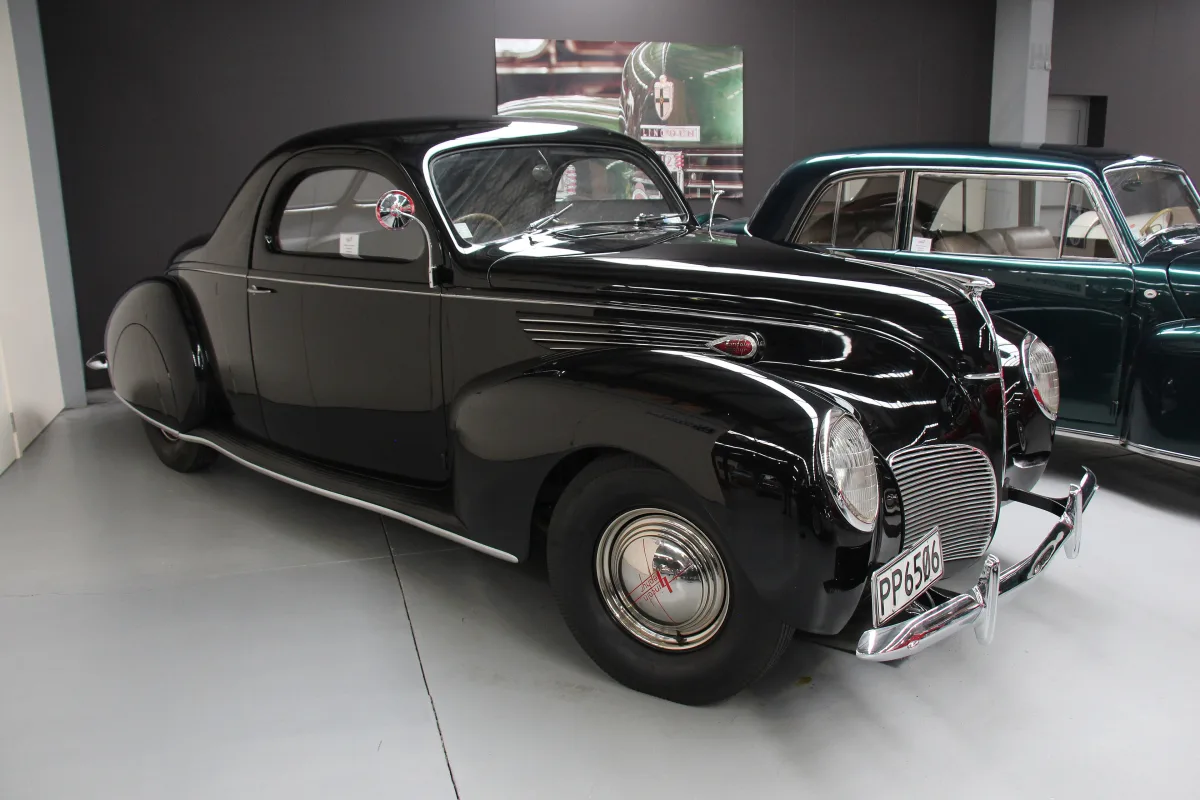
Lincoln-Zephyr: 1930s aerodynamic V12 classic
Lincoln-Zephyr — the aerodynamic Lincoln series produced from 1936–1942 with a V12 engine. This is a collector's car, so in this article we'll look at its body styles, tech, and what you need to know before buying.






Lincoln-Zephyr in brief
The Zephyr was smaller and more accessible than the larger Lincolns. Its standout feature was the aerodynamic, streamlined body, which looked very modern at the time, with a unibody construction.
This car helped Lincoln stay afloat during the Great Depression and became one of the most iconic pre-war American design examples.
Which version to choose
The Zephyr was offered with several body styles: sedan, coupe (including the popular three-window version), club coupe, and convertible. Coupes and convertibles are usually the most sought-after.
The appearance changed over the production years, so when buying, check if the car matches its year's specifications. In later years, it featured a more modern front end.
Engine and transmission
The Zephyr had a V12 engine with a capacity of around 4.4 litres (later models had a larger engine), and power output of roughly 110–130 hp, depending on the year. The V12 was a unique feature for a more affordable luxury car at the time.
The transmission was manual. Drive was to the rear wheels. The driving experience is smooth, but it requires knowledge of classic cars.
What to check when buying a Zephyr
The V12 engine is notorious for cooling and oil issues, so it's crucial to check its condition. Ask for documentation on repairs and restorations.
Inspect the body for corrosion and poorly executed restorations. Check the VIN and engine numbers to ensure authenticity.
Some parts are rare, so find out in advance where you can get them.


Trim levels
Names and equipment vary by market and year; we list the versions most commonly found in Europe.
Sedanas
1936–1942Four-door version.
- The most practical variant
- V12 engine
- Aerodynamic body
Kupė
1936–1942Two-door coupe.
- Distinctive appearance
- Often valued more than the sedan
- V12 engine
Kabrioletas
1936–1942Convertible.
- Retractable roof
- Earlier version
- Higher collectible value
Body comparison
| Sedanas | Kupė | Kabrioletas | |
|---|---|---|---|
| Who it suits | For the practical classic enthusiast | For style lovers | For open-top driving |
| Rarity | Most common | Less common | Rare |
| Price in the used market (relatively) | Mid-range | High-end | High-end |
The choice depends on the body, history, and condition. The most important factors are originality and documented restoration.
Pros
- Distinctive aerodynamic design from the 1930s
- One of the first accessible V12 cars
- Collector's item
- A significant part of Lincoln's history
Cons
- Parts can be hard to find
- Maintaining the V12 engine requires a specialist
- Risk of corrosion and restoration challenges
Frequently asked questions
Does the Lincoln-Zephyr have a V12 engine?
Yes, that was its standout feature.
Why is it considered special?
Thanks to its aerodynamic body and the fact that, at the time, V12 engines offered a relatively accessible car.
Can the Zephyr be used daily?
It's an old collector's car, so it's typically used on special occasions.
Updated 2026-10-21 · Trim levels and equipment vary by market and model year — check the equipment of the specific car. · Translated automatically


