 English
 Lietuvių
 Latviešu
 Eesti
 Polski
 Русский
 Українська
 Deutsch
 Nederlands
 Čeština
 Slovenčina
 Svenska
 Norsk
 Dansk
 Suomi


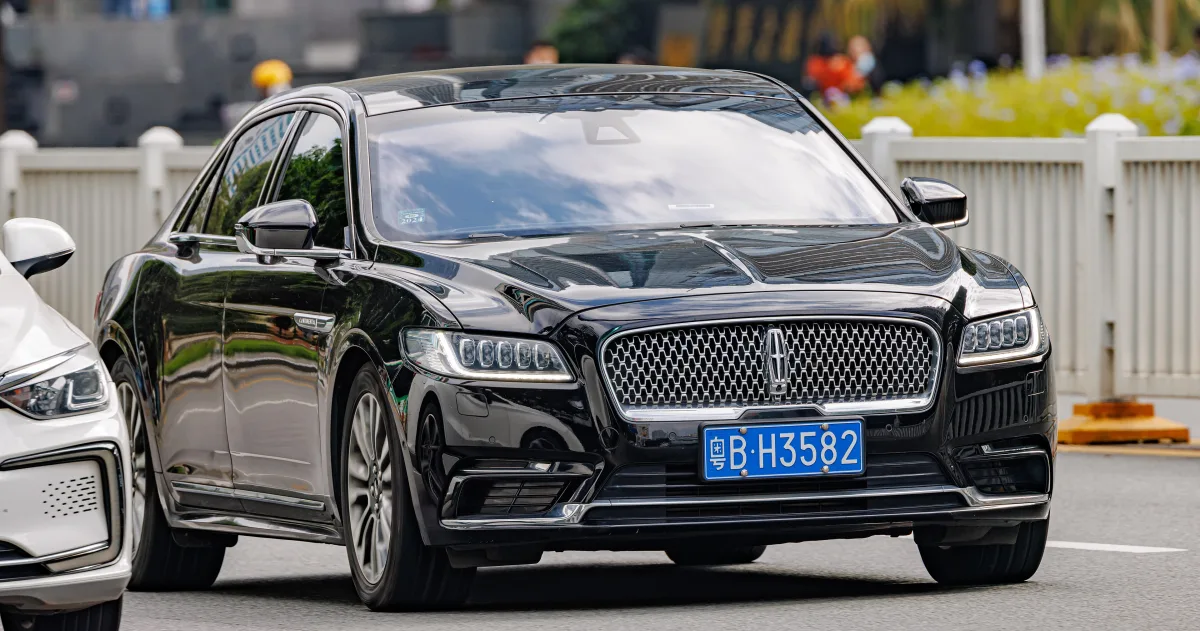
Lincoln Continental: IX and X generations, engines and trims
The Lincoln Continental is a long-standing luxury sedan from the Ford group, most commonly found in Lithuania as an import from the USA. We're looking at two generations that frequently appear in the used market — the 1995–2002 IX and the 2016–2020 X, their engines, trims, and what to check before buying.






The Continental nameplate
The Continental name has been used by Lincoln for decades, with two generations most commonly sought after today. The IX generation (1995–2002) is a front-wheel-drive large sedan with a V8 engine, while the X generation (introduced in 2016, produced until 2020) is a much more modern luxury sedan with turbo V6 engines and the option of all-wheel drive.
Both generations were primarily designed for the US market, so they were not officially sold in Europe. As a result, you'll only find imported cars in Lithuania, often with mileage listed in miles and equipment and measurement units adhering to US standards.
Which generation to choose
The IX generation (1995–2002) is appealing as an affordable, spacious, and quiet sedan. It's an older car, so the key is the technical condition, especially the suspension and electronics. It's worth buying only well-maintained examples with a clear service history.
The X generation (2016–2020) stands out with its modern interior, luxurious seats, and a wide range of driver assistance systems. It's more expensive but far more technically advanced for daily use. Choosing the right trim and having a clear car history is more important here than the mileage.
Engines and transmissions
The ninth-generation Continental featured a 4.6-litre V8 engine paired with a four-speed automatic transmission and front-wheel drive. The engine is praised for its longevity, but fuel consumption is high, as befits a car of this size.
The tenth generation offers a 3.7-litre V6 petrol engine, along with 2.7-litre and 3.0-litre 'EcoBoost' twin-turbo V6 engines. All are mated to a six-speed automatic transmission; some models have all-wheel drive, and the most powerful 3.0-litre variant delivers around 400 hp. Diesel variants were not available.
What to check when buying a used Continental
Ninth-generation models often use an air suspension system — its air springs can degrade over time, so check if the car doesn't sag and if the compressor works. Inspect the cooling system, hoses, and plastic parts, as they can degrade over time.
In tenth-generation models, test all the electronics: the multimedia screen, control buttons, electric seats, and assist systems. Since most cars are imported from the USA, check if they haven't been severely damaged in an accident and if the VIN matches the history report.
Before buying, ensure all necessary parts are available in Europe — some need to be ordered from the USA, taking longer, and there are fewer specialists familiar with this model compared to popular European brands.


Trim levels
Names and equipment vary by market and year; we list the most commonly found trim levels in Europe.
Bazinė (IX karta)
Ninth generationThe standard ninth-generation version is a spacious, comfortable sedan without major standout features.
- Often, leather upholstery
- Often — electrically adjustable seats
- Often — automatic climate control
Premiere
X generationThe base X generation trim comes with a surprisingly luxurious interior.
- Leather upholstery
- Often — LED headlights
- Often — 3.7-litre V6 engine
Select
X generationThe mid-range trim offers more comfort and safety features.
- Additional seat adjustment functions
- Often — driver assistance systems
- Often — 2.7-litre “EcoBoost” engine
Reserve
X generationThe top-tier trim boasts premium trim and equipment.
- Premium-grade leather and trim
- Often — enhanced sound system
- Often — more powerful EcoBoost engines
Black Label
X generationThe top X series trim with a distinctive interior design
- Exclusive cabin trim and colour combinations
- The most luxurious seats
- Often — full kit to boost comfort
Comparing X series trims
| Premiere | Select | Reserve | Black Label | |
|---|---|---|---|---|
| Who it's for | The start of luxury | For everyday comfort | For keen buyers | For maximum luxury |
| The cabin | Solo, simpler | More adjustments | Higher-grade leather | Distinctive interior |
| Equipment | Base | Extended | Wide | Most comprehensive |
| Engine (most common) | 3.7 l V6 | 2.7 l V6 turbo | More powerful V6 turbo | More powerful V6 turbo |
| Price in the used market (relatively) | €€ | €€ | €€€ | €€€ |
For most buyers, the wisest choice is Select or Reserve, which already come with plenty of comfort features. Black Label is worth considering only if you value distinctive luxury and are prepared to pay a higher price.
Pros
- Spacious, quiet and comfortable
- Luxurious interior, especially in the X generation
- Wide range of powerful engines in the X generation
- Distinctive styling among luxury sedans
Cons
- Was never officially sold in Europe, so fewer parts and specialists available
- High fuel consumption
- Complex electronics and (in the IX generation) pneumatic suspension can be expensive to maintain
Frequently asked questions
Was the Continental sold in Europe?
No — both generations discussed were intended for the US market. Cars found in Lithuania are imported, so their equipment and documents comply with the US market.
Which Continental generation is better for the buyer?
The X generation is technologically modern and comfortable, but more expensive. The IX generation is cheaper, but very old, so its condition and repair costs are more important.
Is the Continental economical?
No. It's a large and heavy sedan with high running costs, especially with the V8 (IX generation) or powerful V6 turbo (X generation) engines.
Updated 2026-10-19 · Trim levels and equipment vary by market and model year — check the equipment of the specific car. · Translated automatically


