 English
 Lietuvių
 Latviešu
 Eesti
 Polski
 Русский
 Українська
 Deutsch
 Nederlands
 Čeština
 Slovenčina
 Svenska
 Norsk
 Dansk
 Suomi


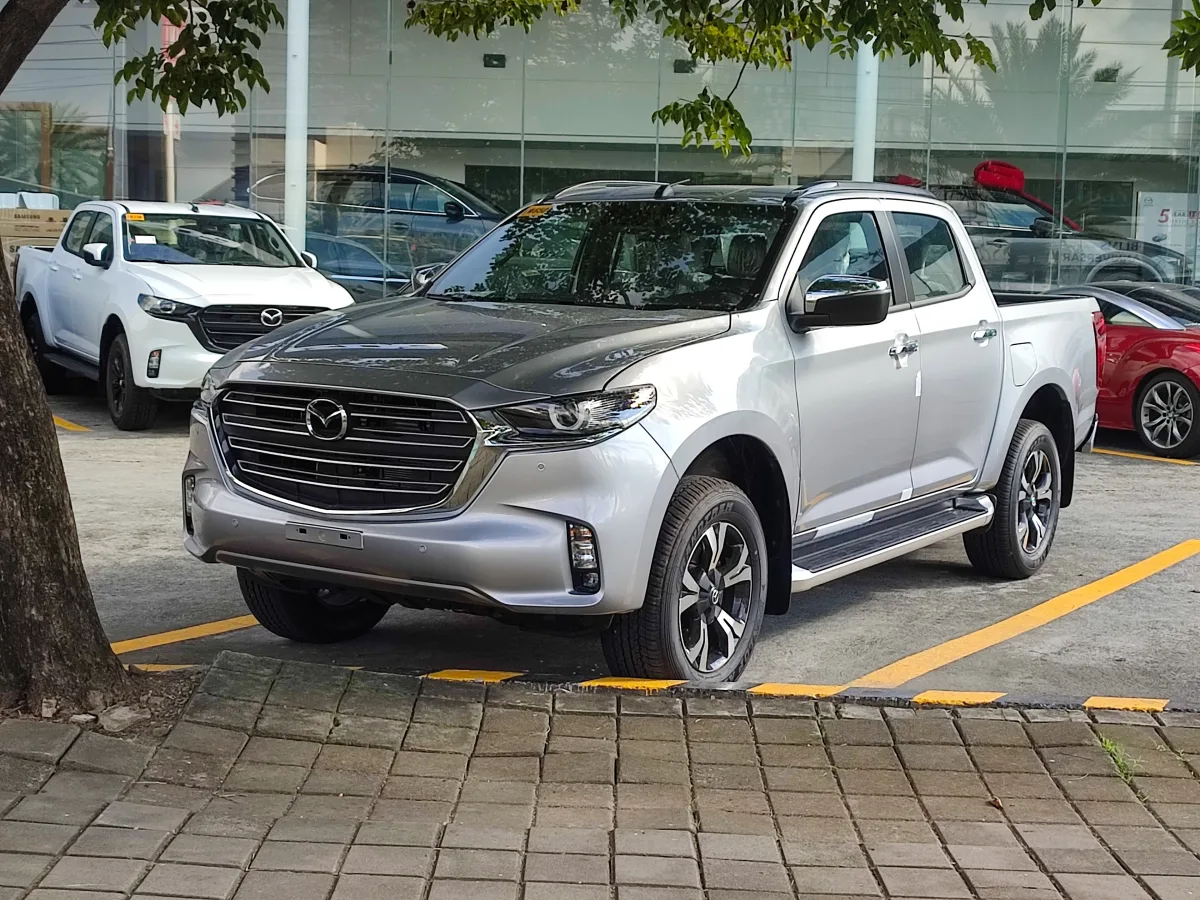
Mazda BT-50: generations, engines and what to know when buying a pickup
Mazda BT-50 — a pickup that has seen several generations developed in collaboration with Ford and Isuzu. We look at how the generations differ, which engines they use, and what to check before buying a used BT-50.






BT-50 in brief
BT-50 is offered with a single cab (Single Cab), a longer cab with small rear doors (Freestyle Cab), and a four-door Double Cab. It typically comes with a diesel engine and 4x2 or 4x4 drivetrain.
This is a workhorse: a sturdy frame, decent towing capacity, and the ability to pull a trailer. That's why farmers, builders, and adventurers seeking a more practical alternative to an SUV opt for it.
Which generation to choose
The first generation (from 2006) was created alongside the Ford Ranger, the second (from 2011) also shares tech with the Ranger of that era. These generations are most commonly found in the used market.
The third generation (from 2020) was developed with the Isuzu D-Max and is mostly sold outside of Europe, making it a rarer sight in Lithuania, often appearing as an import.
When choosing, it's important to know that the technical base changes between generations — parts and repair experience depend on the generation.
Engines and transmissions
Earlier generations used 2.5 and 3.0-litre diesel engines, later models featured 2.2 and 3.2-litre units. The third generation introduced Isuzu-derived 1.9 and 3.0-litre diesels.
Transmissions come as manual or 6-speed automatic. Pickups often have a reduction gear and a locking differential, making 4x4 versions suitable for tougher conditions.
What to check when buying a used BT-50
Pickups are often used for heavy work, so check the chassis, suspension, and underbody for corrosion and ensure the vehicle hasn't been in an accident.
In diesel engines, check the condition of the diesel particulate filter (DPF), turbo, and injectors, and in 4x4 versions, the transfer case and gearbox.
Request the service history, especially if the vehicle was used with a trailer or as a workhorse.


Trim levels
Names and equipment vary by market and year; below are the most commonly found cab types and some third-generation trim levels.
Single Cab
all generationsTwo-seat cab with the longest cargo bed.
- Often comes with basic equipment
- Longer cargo bed
- Often features a manual gearbox
Freestyle Cab
all generationsExtended cab with small rear doors and additional seats.
- Additional seats behind the front ones
- Mid-length cargo bed
- Often comes with higher-spec equipment than the Single Cab
Double Cab
all generationsFour-door cab, perfect for a family or a crew.
- Four doors and five seats
- Often — leather or another premium interior
- Shorter load bed
XTR
third generationMid-range equipment (mostly sold outside Europe).
- Often — larger alloy wheels
- Often — additional safety systems
- Often — larger multimedia screen
GT
third generationHigher-spec equipment with more luxurious trim.
- Often — leather interior
- Often — heated seats
- Often — enhanced safety package
Comparison
| Single Cab | Freestyle Cab | Double Cab | |
|---|---|---|---|
| Who it's for | Work and cargo | Work and occasional passengers | Family and crew |
| Doors | 2 | 2 + small rear | 4 |
| Seating capacity | 2–3 | 4–5 | 5 |
| Boot space | Longest | Average | Shortest |
| Price in the used market (relatively) | € | €€ | €€ |
For families and daily use, the Double Cab is best, while for pure work, the Single Cab or Freestyle Cab are ideal. Before buying, test drive it and check the engine, as this affects parts availability.
Pros
- Robust frame and high towing capacity
- Diesel engines with high torque
- 4x4 versions are suited to tougher roads
- Practical body styles
Cons
- The pickup's comfort lags behind that of an SUV
- It may be worn out if used as a workhorse
- Third-generation offerings in Lithuania are limited
Frequently asked questions
How does the third-gen BT-50 differ from its predecessors?
The third generation was developed alongside the Isuzu D-Max and features a completely different technical base and engines compared to previous generations, which were related to the Ford Ranger.
Is the BT-50 suitable for towing a trailer?
Yes, pickups are designed for this. Check the maximum allowed trailer weight in the technical documents and registration certificate.
Is the BT-50 worth buying as a family car?
The Double Cab version is suitable if you're not intimidated by a larger pickup and its sturdier suspension. In terms of comfort, the SUV is usually the better choice.
Updated 2026-10-17 · Trim levels and equipment vary by market and model year — check the equipment of the specific car. · Translated automatically


