 English
 Lietuvių
 Latviešu
 Eesti
 Polski
 Русский
 Українська
 Deutsch
 Nederlands
 Čeština
 Slovenčina
 Svenska
 Norsk
 Dansk
 Suomi


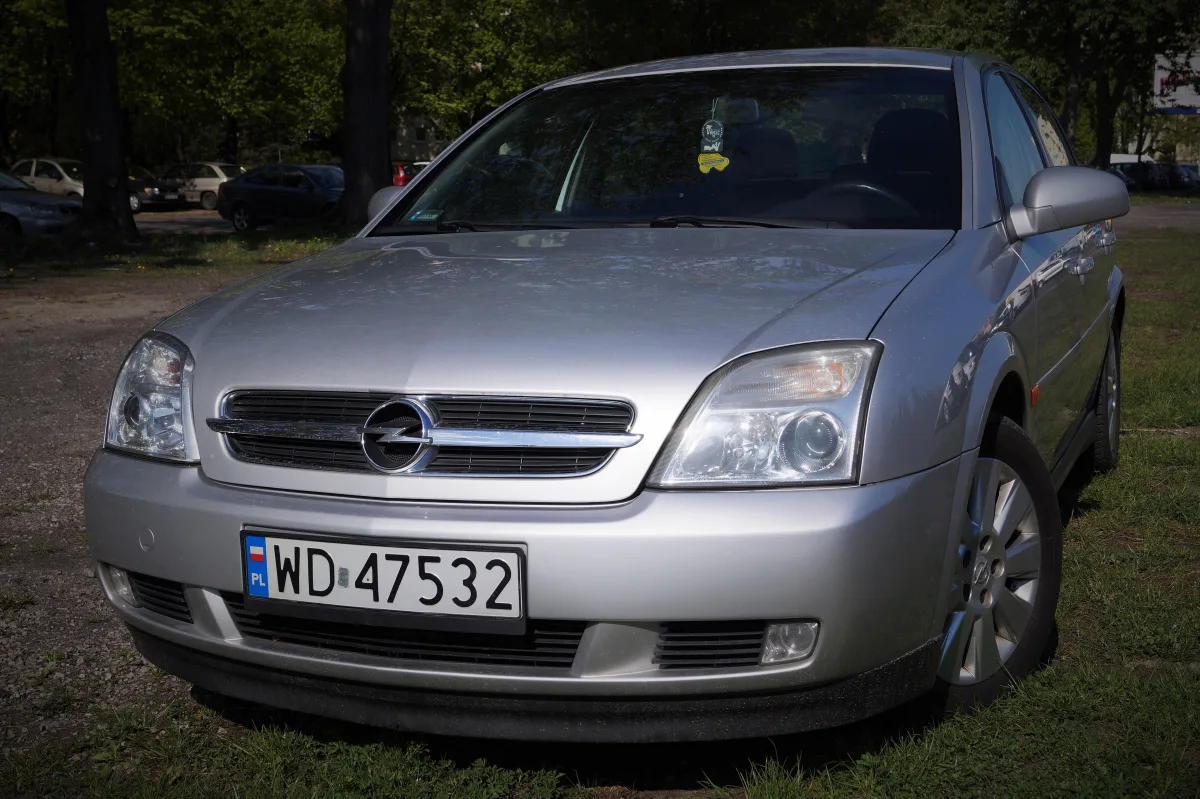
Opel Vectra: B and C generations, engines and trims
The Opel Vectra is a mid-size car produced from 1988 to 2008, later replaced by the Insignia. In the used market, you'll most often encounter B and C generations — we'll look at their differences, engines, trims, and what to check before buying.






Vectra in brief
The Vectra was produced in three generations: A (1988–1995), B (1995–2002), and C (2002–2008). The B and C generations are available as sedans, hatchbacks, and estates (Caravan), while the C generation also spawned the more spacious Signum.
Today, the Vectra is one of the most affordable ways to get a spacious mid-size car. Spare parts are plentiful and relatively cheap, but most cars are now quite old and have high mileages, so the technical condition is more important than the trim level or year.
B and C generations — what's the difference
The Vectra B (1995–2002) is a simpler car, with its estate version produced for a bit longer than the sedan and hatchback. In 1999, refreshed models got new headlights and bumpers. Due to their age, their biggest enemy is rust.
The Vectra C (2002–2008) is built on the GM Epsilon platform: it's larger, safer, and quieter. The Caravan version appeared in 2003, and in 2005, refreshed models got a new front end and improved interior. Particularly popular are C generation estates with the 1.9 CDTI diesel.
When choosing between generations, in most cases opt for the C generation — it's more modern and often better preserved. The B generation is only worth considering if you find a very well-maintained, low-mileage example.
Engines and gearboxes
Vectra C petrol engines — 1.6 and 1.8 (around 100–140 hp), 2.2 (around 150 hp), 2.0 Turbo and V6 (2.8 Turbo, 3.2). Diesels — early 2.0 and 2.2 DTI, the most popular 1.9 CDTI (usually 120 or 150 hp) and 3.0 V6 CDTI. The sporty OPC version had a 2.8 V6 Turbo engine (around 280 hp).
Vectra B engines — petrol 1.6, 1.8, 2.0 and V6 (2.5–2.6), diesel 1.7 TD and 2.0–2.2 DTI.
Gearboxes — 5 or 6-speed manual or classic automatics. The automatic box is less common in the used market than the manual.
What to check when buying a used Vectra
In the 1.9 CDTI diesel, check the intake manifold gaskets, EGR valve, and if present, the diesel particulate filter (DPF) — these are the most common issues with this engine. For 3.0 V6 CDTI cars, only consider those with a clear service history, as repairs to this engine are expensive.
In the 6-speed manual gearbox, listen for grinding and whether gears jump out — some Opel boxes from this era are prone to gear wear. In the C series, the steering column module (CIM), which controls the turn signals, wipers, and steering wheel controls, often fails.
For B series cars, first inspect for rust — sills, wheel arches, and the underbody. For all cars, check the suspension, and evaluate the interior based on the service history, as many cars have high mileage.


Trim levels
Names and equipment vary by market and year; we list the most commonly found trims in Europe.
CD / CDX
Vectra BHigher-spec B-series trims with more creature comforts.
- Often — air conditioning or climate control
- Electric windows and mirrors
- Often — alloy wheels
Comfort
Vectra CBase-spec C-series trim for everyday use.
- Often — steel wheels
- Often — air conditioning
- More basic interior trim
Elegance
Vectra CComfort-oriented trim with plusher interior
- Alloy wheels
- Often — automatic climate control
- Often — chrome details and wood-effect trim
Sport
Vectra CSportier version for more spirited driving.
- Sport seats
- Often — larger wheels and a firmer suspension
- Often — IDS+ adaptive dampers
Cosmo
Vectra CThe C generation trim with the most equipment
- Often — leather interior
- Often — xenon headlights
- Often — navigation and parking sensors
OPC Line
Vectra CSporty styling package without a sporty engine
- Sporty bumpers and sills
- Larger wheels
- Often — sport seats
Comparison of C generation trims
| Comfort | Elegance | Sport | Cosmo | |
|---|---|---|---|---|
| Who it's for | Ideal for everyday driving | For comfortable journeys | For more dynamic driving | For maximum comfort |
| Wheels (most often) | 15–16 inch | 16 inch | 17 inch | 16–17 inch |
| Front headlights | Halogen | Often halogen | Often xenon | Often xenon |
| Interior | Basic cloth upholstery | More luxurious trim | Sport seats | Often — leather |
| Price in the used market (relatively) | € | €€ | €€ | €€ |
For the Vectra, the trim level is less important than the condition — the best bet is a well-maintained Elegance or Cosmo with a 1.9 CDTI or 1.8 petrol engine. The Sport is worth considering if handling is key.
Pros
- Spacious interior and large boot (especially the Caravan)
- Parts are cheap and easy to find
- Comfortable for long journeys
- Low purchase price
Cons
- High mileage and often a long service history
- 1.9 CDTI issues with injectors, EGR and DPF
- Electronics problems in the C series
Frequently asked questions
Which Vectra generation is better — B or C?
For most buyers, the C series is the better choice: it's safer, roomier and more modern. The B series is cheaper, but due to its age, it often shows signs of wear and tear.
Is it worth buying a Vectra with a 1.9 CDTI diesel?
It's an economical and sufficiently powerful engine, but before buying, it's worth checking the injectors, EGR valve and turbo. A well-maintained engine often lasts a long time, but a neglected one can incur significant costs.
How do the Vectra and Signum differ?
The Signum was built on the Vectra C platform but features a longer wheelbase, a more spacious rear seat and a different rear end. The technology and engines are essentially the same.
What's changed with the Vectra?
In 2008, the Vectra was replaced by the Opel Insignia—a larger and more modern mid-size car, also available as a sedan, hatchback and estate.
Updated 2026-10-09 · Trim levels and equipment vary by market and model year — check the equipment of the specific car. · Translated automatically


