 English
 Lietuvių
 Latviešu
 Eesti
 Polski
 Русский
 Українська
 Deutsch
 Nederlands
 Čeština
 Slovenčina
 Svenska
 Norsk
 Dansk
 Suomi


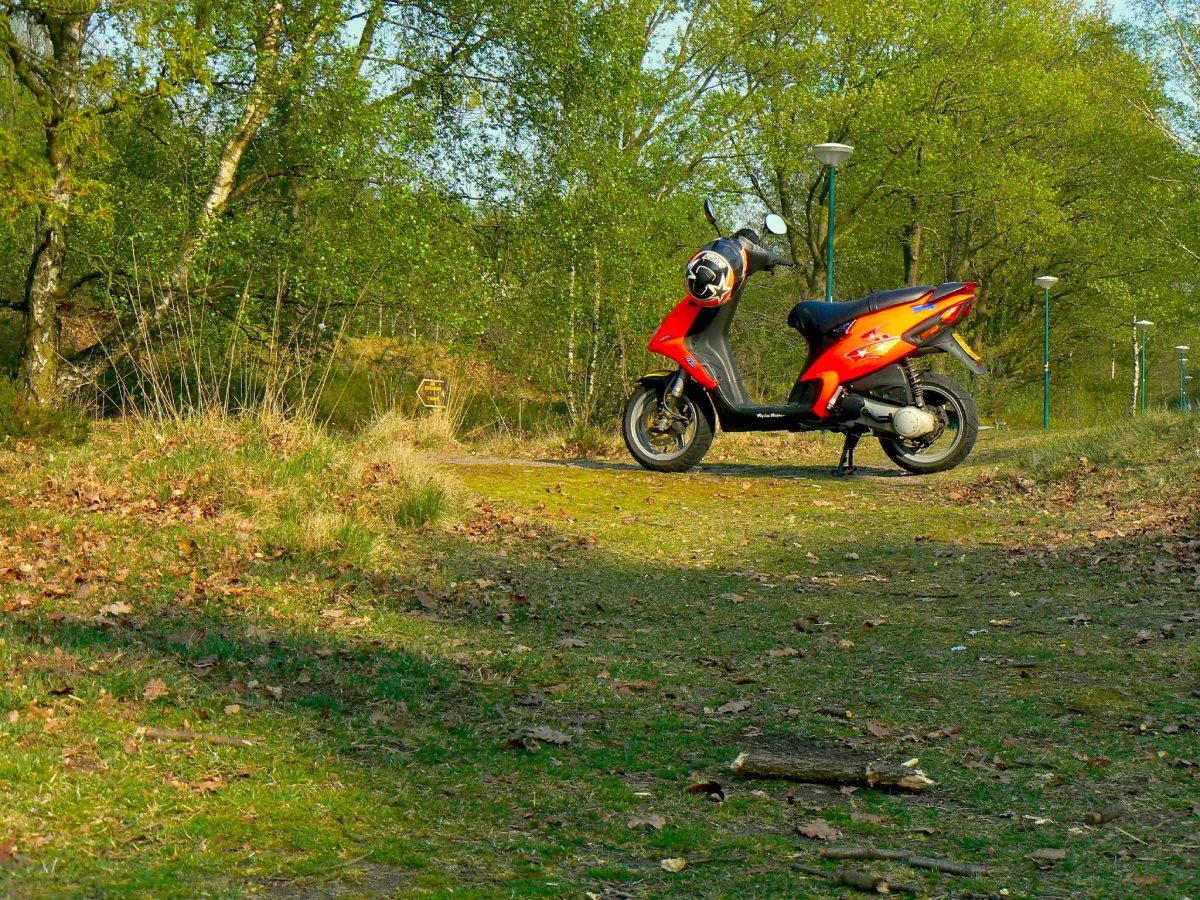
Piaggio NRG: the sporty 50 cm³ scooter, what to know when buying
Piaggio NRG — the sporty 50 cm³ scooter produced since 1994. We look at its versions, engine, and what to check when buying used.






NRG in brief
NRG — a sporty small-displacement scooter, particularly popular among younger riders. It stands out with its striking design, lively ride, and affordable price.
Due to its character and potential for modification, the NRG was often used for tuning, so it's crucial to check which parts have been changed when buying used.
Versions
Over the years of production, the NRG had several variants, such as the NRG Extreme, NRG Power, and other sporty versions. They differ in design, suspension, brakes, and other details.
Since the equipment varies by year and market, verify the exact version by the engine number and documents.
Engine and transmission
The NRG uses 50 cm³ engines, usually two-stroke. Some later versions feature newer technologies to meet cleaner emission standards.
The transmission is an automatic belt-driven CVT, making it easy to ride. For the 50 cm³ class, an AM category license usually suffices for the rider, but this should be checked according to your country's regulations.
What to check when buying a used NRG
NRG scooters are often modified: check if the cylinder, exhaust system, or variator have been changed. Such modifications can increase power and speed but may alter the documented specifications.
Check the engine, gearbox, seatbelts, brakes, tyres and plastics, as well as the electrical equipment. For a two-stroke engine, inspect the piston and cylinder condition and oil supply, and check the numbers in the documents.


Versions and trims
Names and equipment vary by market and year; here we outline the main versions.
NRG (bazinė)
1994–The first sporty version for youngsters.
- 50 cm³ engine
- Sporty styling
- Basic equipment
NRG Extreme
Later yearsA more sporty version.
- Sharper design
- Sporty ride
- Often – improved brakes
NRG Power
Later yearsMore powerful and modern version.
- 50 cm³ engine
- More modern equipment
- Check by year
Comparing NRG versions
| Bazinė | Extreme | Power | |
|---|---|---|---|
| Who it's for | Ideal for young drivers and city use | For sporty driving | For sporty driving |
| Engine size | 50 cm³ | 50 cm³ | 50 cm³ |
| Design | Sporty | More distinctive | Most modern |
| Modifications | Common | Common | Common |
| Price in the used market (relatively) | € | € | €€ |
The NRG is ideal for those who enjoy a sporty scooter at a modest price. First, check if it hasn't been modified and assess the engine's condition.
Pros
- Sporty styling
- Affordable and easy to use
- Lively city riding
- Plenty of used options on the market
Cons
- Frequent modifications make it harder to gauge true condition
- Two-stroke engine requires more maintenance
- Small 50 cm³ capacity limits travel possibilities
Frequently asked questions
What category is needed for the NRG?
A 50 cm³ scooter typically requires an AM category, but this depends on local regulations and specific details in the documents.
Are NRG scooters often modified?
Yes, due to their sporty nature, NRG scooters are often tweaked. Before buying, ask what's been changed and check the condition.
How does the NRG differ from a standard scooter?
The NRG offers a sportier design and ride, making it more appealing to younger riders. Standard scooters are usually more comfortable for daily commuting.
Updated 2026-10-21 · Trim levels and equipment vary by market and model year — check the equipment of the specific car. · Translated automatically


