 English
 Lietuvių
 Latviešu
 Eesti
 Polski
 Русский
 Українська
 Deutsch
 Nederlands
 Čeština
 Slovenčina
 Svenska
 Norsk
 Dansk
 Suomi


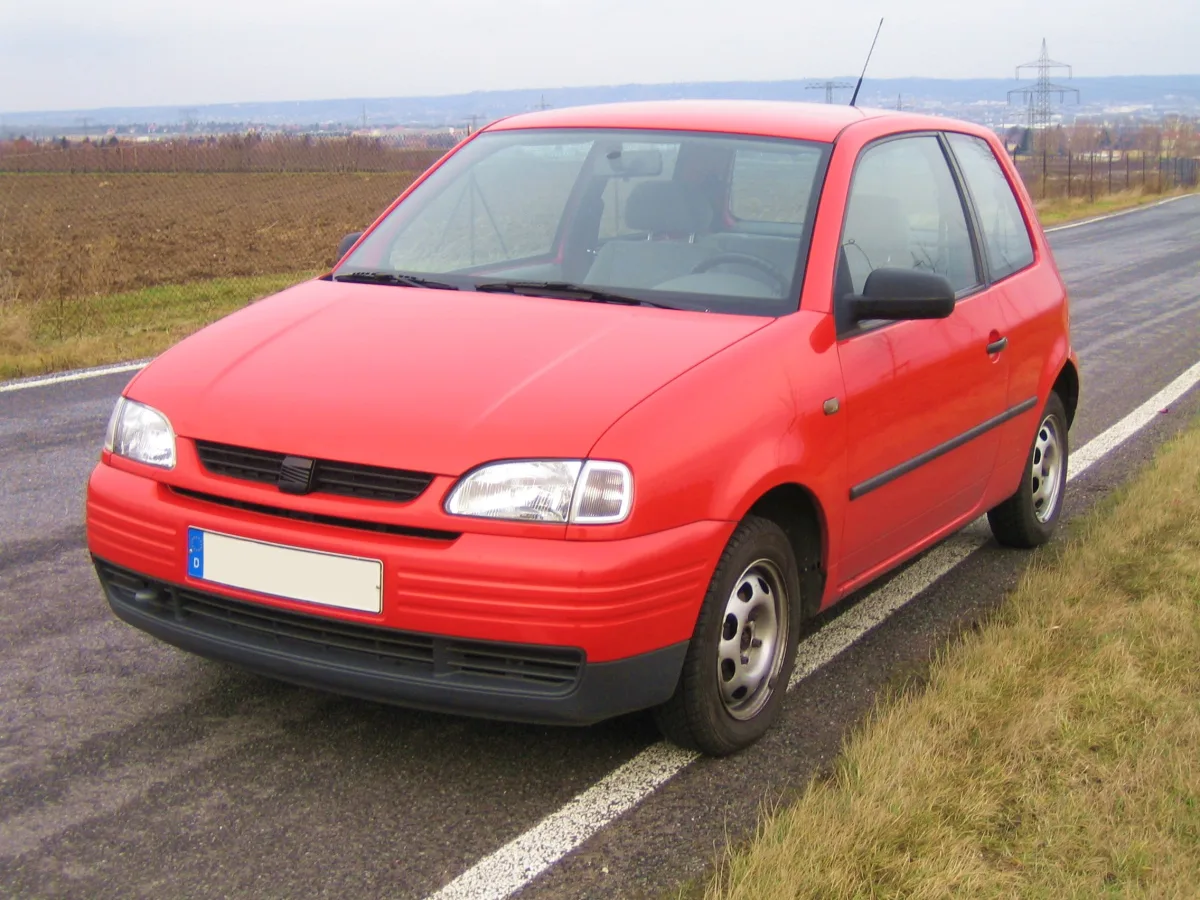
Seat Arosa: a compact city hatchback, engines and what the buyer should know
Seat Arosa (1997–2004) — a compact city hatchback, technically related to the Volkswagen Lupo. We look at what makes it appealing in the used market, which engines were offered and what to check before buying.






Arosa in brief
Arosa — a three-door city hatchback built on Volkswagen Group technology alongside the VW Lupo. As a result, it's straightforward, has a reliable construction and features well-known components with a wide range of parts available.
Today, it's an affordable and economical city car. Most used Arosas are now quite old, so the key factors are the technical condition and meticulous maintenance.
Early and facelifted models
Around 2000, the Arosa received a facelift: the front end and some interior and trim details were revised. Facelifted models look more modern and often have slightly better trim.
There aren't major technical differences, so when choosing, the engine, mileage and service history are more important than the year of manufacture.
Engines and gearboxes
Most commonly found is the 1.0-litre petrol (around 50 hp) and 1.4-litre petrol engine. There are also 1.4 TDI and 1.7 SDI diesel versions, which are economical but rarer.
The gearbox is a five-speed manual. Lower-powered engines are best suited to city driving rather than long motorway journeys.
What to check when buying a used Arosa
Inspect the body: check for dents, wheel arches, and the rear deck. Check the engine's operation, oil and coolant levels, and start the cold engine yourself.
In diesel versions, check the condition of the fuel system and turbocharger. Test if the gears engage smoothly and if the clutch doesn't slip.
Test the electrical equipment, air conditioning, brakes, and suspension. Ask for the service history.


Versions
Names and equipment vary by market and year; we list the most commonly found names in Europe.
1.0
1997–2004The base version with a 1.0-litre petrol engine.
- Around 50 hp
- Low running costs
- Ideal for city driving
1.4
1997–2004The more powerful petrol version.
- Often around 60–75 hp
- Better driving experience
- Suitable for short trips as well
1.4 TDI / 1.7 SDI
1997–2004Diesel versions, economical for longer distances.
- Low fuel consumption
- Rarer in the used market
- Important service history
Engine comparison
| 1.0 | 1.4 | Dyzelis | |
|---|---|---|---|
| Who it's for | For city driving | For city and occasional longer trips | For high-mileage drivers |
| Fuel economy | Modest | Average | Best |
| Power | Around 50 hp | Around 60–75 hp | Around 60–75 hp |
| Price in the used market (relatively) | € | € | €€ |
Most buyers will find the 1.0 or 1.4-litre petrol engines suitable. Diesel makes sense only for those who drive a lot and have a well-maintained service history.
Pros
- Affordable in the used market and cheap to maintain
- Low fuel consumption
- Easy to park, compact
- Well-known VW Group technology and a good supply of parts
Cons
- Plush comfort and modest power
- Only a three-door body, cramped rear seating
- Risk of corrosion and electrical issues due to age
Frequently asked questions
Is the Arosa the same car as the VW Lupo?
Technically, they are very similar — both built on the same platform, but they have different designs and badges.
Is the Arosa suitable for long journeys?
Not really. It's a city car with a small engine and modest comfort, but it's fine for short trips.
Which engine is the best?
Most will find the 1.0 or 1.4-litre petrol engines suitable for their simplicity. Diesel is economical, but rarer and requires a good service history.
Updated 2026-10-19 · Trim levels and equipment vary by market and model year — check the equipment of the specific car. · Translated automatically


