 English
 Lietuvių
 Latviešu
 Eesti
 Polski
 Русский
 Українська
 Deutsch
 Nederlands
 Čeština
 Slovenčina
 Svenska
 Norsk
 Dansk
 Suomi


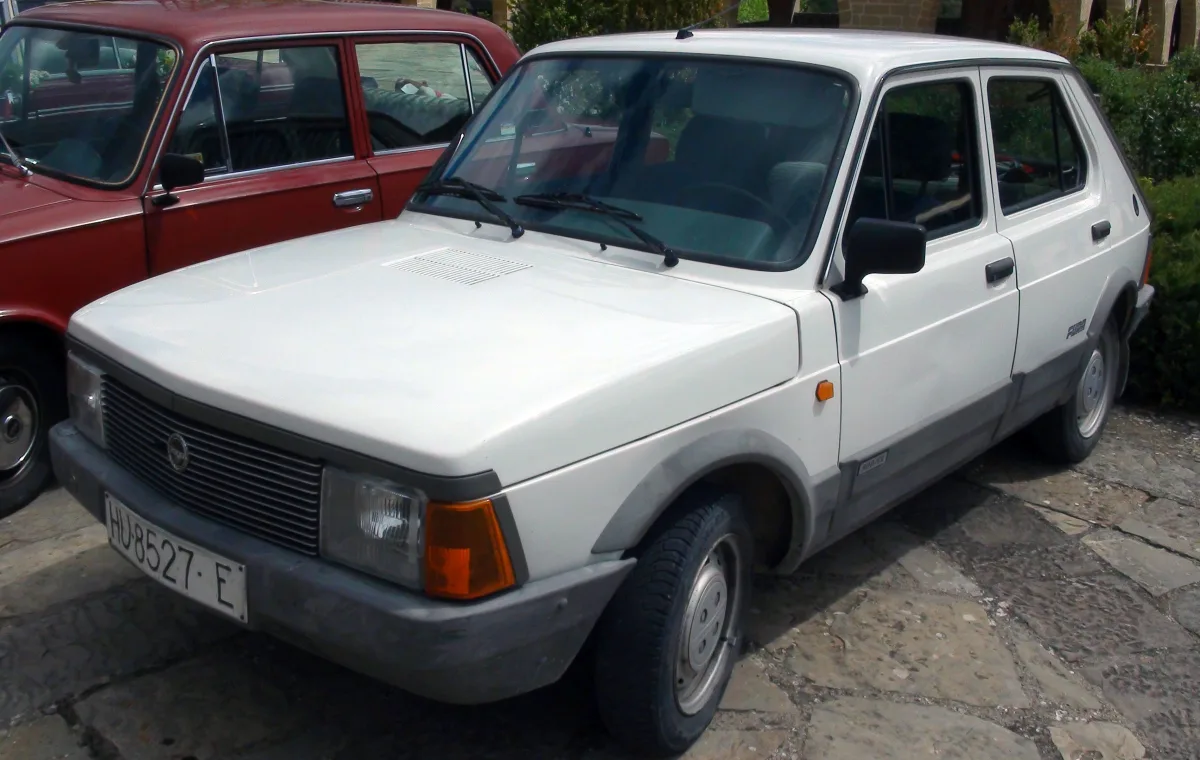
Seat Fura: a Spanish city hatchback, versions and what to check
Seat Fura — a compact hatchback from Spain, produced from 1981 to 1986 and serving as the successor to the Seat 127. In this article, we look at its versions, engines, and what you need to know when buying a Fura.






Fura in brief
The Fura was a small city hatchback based on the Seat 127, featuring front-wheel drive. It was offered as a three or five-door car, boasted a simple, practical interior, and had a light weight.
Today, it's a rare car, mostly found in Spain. In Lithuania, it's very seldom seen, so buying one is usually a decision for a collector or classic car enthusiast.
Versions and trims
The Fura was offered with several trim levels — from the basic 900 and 1.0-litre versions to the more comfortable CL. The sportier Crono variant stood out with a more powerful engine and sportier styling.
Exact names and equipment vary by year and market, so before buying, check the specific car's documents.
Engines and gearboxes
The Fura's engines are small petrol units based on Fiat's design, which was also used in the Seat 127. They are simple, uncomplicated, and easy to fix if parts are available.
The gearbox is manual. The car is light, so even modest engines provide adequate performance in urban conditions.
What to check when buying a used Fura
Inspect the body for rust — small cars from this era often corrode in the wheel arches, sills, and lower front section.
Check the engine condition, clutch and gearbox. Inquire about spare parts — many are specific and hard to find.
Before buying, ensure the car has proper documentation and a clear history.


Trim levels
Names and equipment vary by market and year; we list the most common versions found in Europe.
900
all generationsBase version with the smallest engine.
- Small petrol engine
- Basic trim
- Very economical
CL
all generationsMore comfortable version.
- Often — better interior trim
- More comfort features
- Often — larger engine
Crono
all generationsSportier Fura version.
- More powerful engine
- Sportier looks
- Often — special alloy wheels
Comparing versions
| 900 | CL | Crono | |
|---|---|---|---|
| Who it's for | For everyday use | For comfortable driving | For sportier driving |
| Engine | Smallest | Larger | More powerful |
| Interior | Basic | Better trim | Sportier trim |
| Price in the used market (relatively) | € | € | €€ |
The Fura is perfect for classic small car enthusiasts. It's best to look for an unrusted example with its original interior intact.
Pros
- Small, light, and economical
- Simple construction
- A rare classic car
- An interesting piece of Spanish automotive history
Cons
- Rust is the biggest issue
- Finding parts can be challenging
- Very rare in Lithuania
Frequently asked questions
What's the connection between the Fura and the Seat 127?
The Fura was built on the Seat 127 platform and became its successor. The technology and overall concept are similar.
Is the Fura suitable for daily use?
Theoretically, yes, but due to its age and the difficulty of finding parts, it is usually considered a hobby or collector's car.
Does the Fura come in a five-door version?
Yes, it was offered in both three- and five-door bodystyles.
Updated 2026-10-21 · Trim levels and equipment vary by market and model year — check the equipment of the specific car. · Translated automatically


