 English
 Lietuvių
 Latviešu
 Eesti
 Polski
 Русский
 Українська
 Deutsch
 Nederlands
 Čeština
 Slovenčina
 Svenska
 Norsk
 Dansk
 Suomi


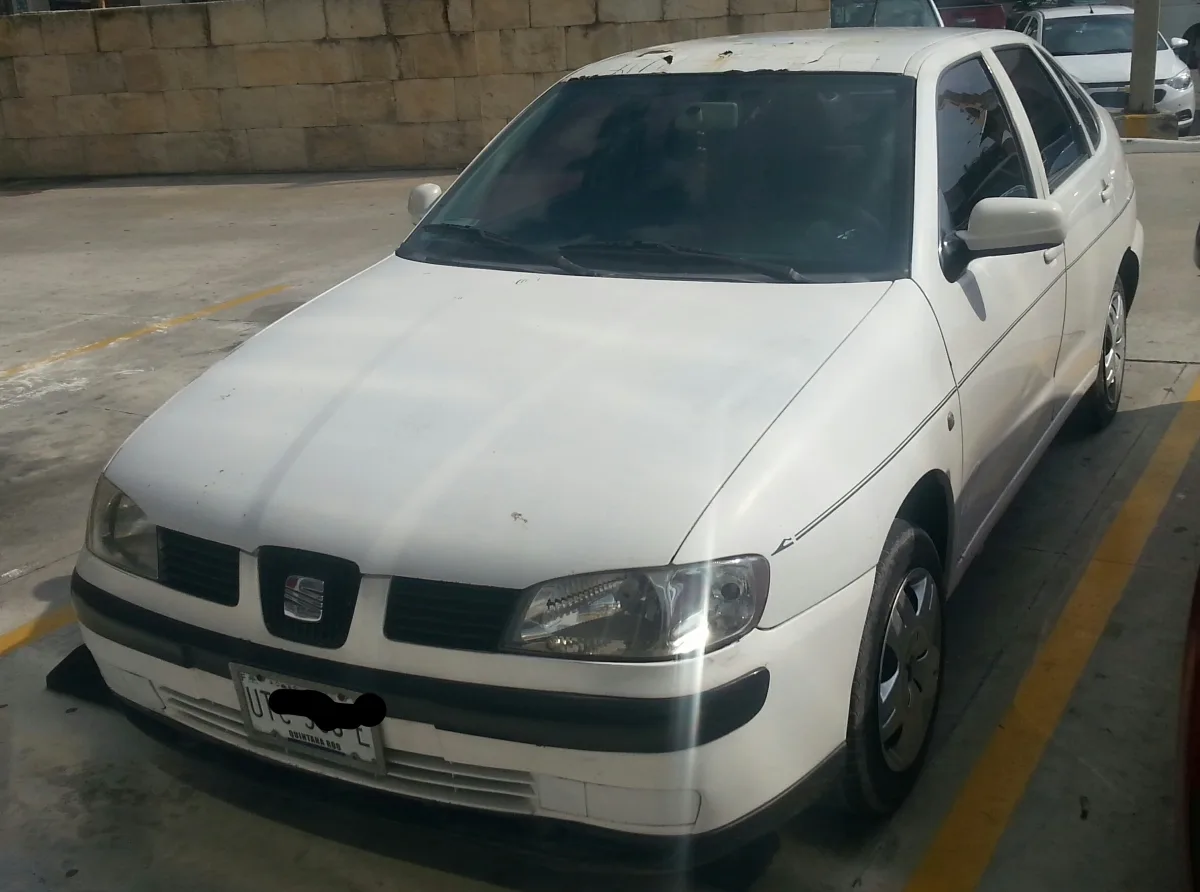
Seat Cordoba: generations, engines and trims
Seat Cordoba (1993–2009) — a compact sedan built on the Ibiza platform. We look at three generations, engines and trims, and what to check before buying a used one.






Cordoba in brief
The Cordoba is the sedan and estate (Vario) version of the Ibiza. It's simple, economical and has a larger boot than the Ibiza hatchback.
Today, it's an affordable family or city car, with maintenance costs often low due to shared Volkswagen Group technology.
Which generation to choose
First generation (1993–1999) — more basic, with simpler equipment. Second generation (1999–2002) — updated version with a revised exterior and interior.
Third generation (2002–2009) — more modern, with better equipment and safety systems. If your budget allows, go for this one.
Engines and gearboxes
Petrol engines range from 1.2 to 2.0 litres, diesels include 1.4 TDI, 1.9 SDI and 1.9 TDI (various power outputs).
Gearboxes are manual, with automatics less common. The three-cylinder 1.2-litre and 1.9 TDI engines have their own servicing quirks.
What to check when buying a used Cordoba
Inspect the body for corrosion and signs of accidents. Check the engine condition and the maintenance history of the timing mechanism (belt or chain).
For diesels (especially 1.9 TDI), check the injectors, turbo and dual-mass flywheel. Electrical equipment and air conditioning should work.


Trims
Names and equipment vary by market and year; we list the trims most commonly found in Europe.
Reference
3rd generationBase trim with basic equipment.
- Often comes with simpler wheels
- Often includes air conditioning
- Simpler interior trim
Stylance
3rd generationBetter-equipped version for daily use.
- Often comes with lightweight alloy wheels
- Often includes climate control
- Often includes additional comfort features
Sport
3rd generationSportier look and more equipment.
- Often includes sportier trim
- Often includes sport seats
- Often comes with larger wheels
Ankstyvos kartos (iki 2002 m.)
1st-2nd generationThe base I and II generation versions.
- More basic equipment
- Often — smaller engines
- More risk of age and wear
Comparing versions
| Reference | Stylance | Sport | |
|---|---|---|---|
| Who it suits | For the everyday runabout | For comfort | For a sportier look |
| The engine | Mostly 1.2–1.4 L | 1.4–1.9 L | 1.4–1.9 L, often TDI |
| The interior | Basic | More practical | Sportier |
| Price in the used market (relatively) | € | € | €€ |
For most buyers, a third-gen Cordoba with a well-maintained service history is a solid choice. Only opt for the TDI diesel if you've thoroughly checked its condition.
Pros
- Simple, economical technology
- Spacious boot
- Moderately priced spare parts
- Shared components with the Volkswagen group
Cons
- Basic, sometimes budget interior
- Maintenance of diesel engines is crucial
- Older models come with a risk of corrosion and minor issues
Frequently asked questions
Is the Seat Cordoba reliable?
Technically quite simple and economical, but it heavily depends on the service history.
Which engine is best?
Most will be happy with the 1.4 petrol or the 1.9 TDI diesel, if it's been well-maintained.
How does the Cordoba differ from the Ibiza?
The Cordoba is a sedan or estate with a larger boot, while the Ibiza is a hatchback.
Updated 2026-10-09 · Trim levels and equipment vary by market and model year — check the equipment of the specific car. · Translated automatically


