 English
 Lietuvių
 Latviešu
 Eesti
 Polski
 Русский
 Українська
 Deutsch
 Nederlands
 Čeština
 Slovenčina
 Svenska
 Norsk
 Dansk
 Suomi


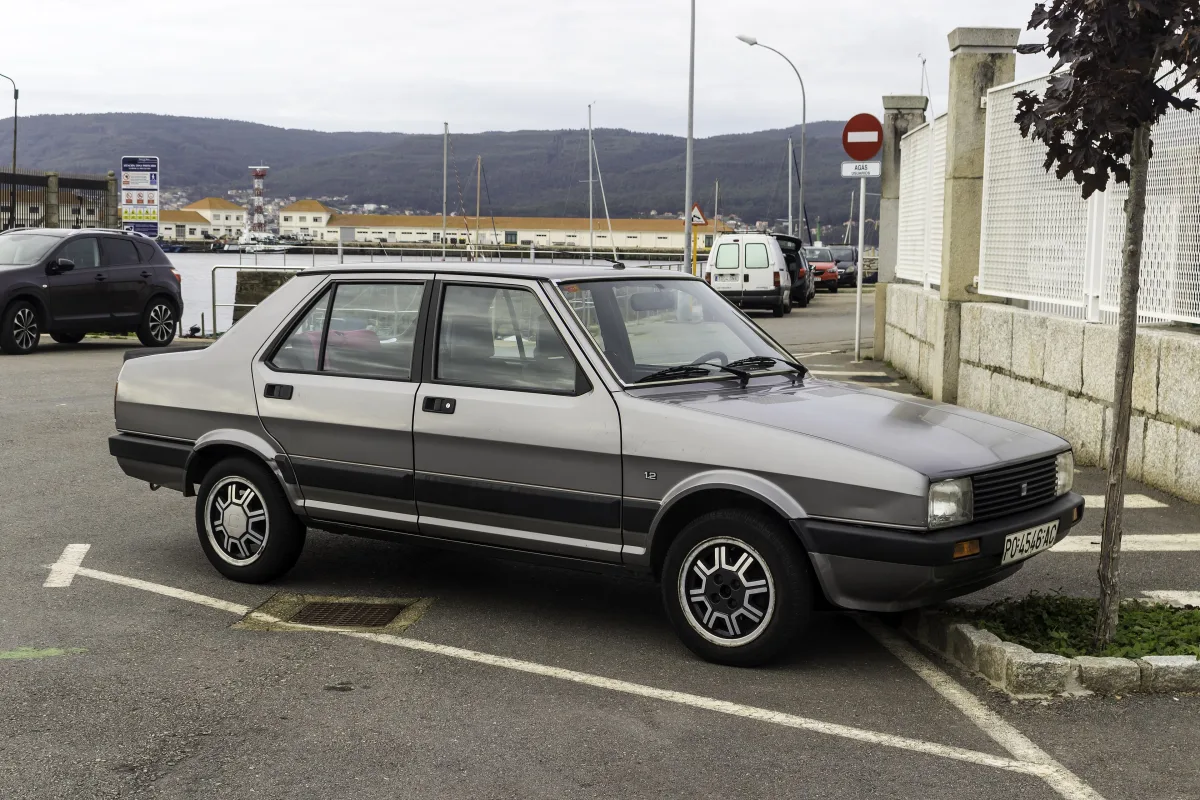
Seat Málaga: engines, trims and what to know when buying used
The Seat Málaga is a mid-size four-door sedan produced from 1985 to 1992. In this article, we look at the model's history, engines, and trims, as well as what to check if you're hunting for one in Lithuania.






Málaga at a glance
The Málaga is the sedan version, developed as a continuation of the Seat Ronda, which was based on Fiat technology. It's a straightforward front-wheel-drive car with a spacious interior and a large boot.
Today, the Málaga is a rarity in Lithuania, so it tends to appeal to collectors and classic car enthusiasts.
Which trim to choose
The Málaga was produced in one generation, so the main differences between cars are the engine and the trim level. When choosing, consider the specific car's condition and remaining original parts over the trim name.
The sportier Injection trim offered a more powerful engine, while better-equipped versions came with more comfort features.
Engines and gearboxes
The Málaga featured petrol engines developed with Porsche (the so-called 'System Porsche' design), as well as a diesel option. The petrol engines ranged from about 1.2 to 1.5 litres, with the most powerful version being the 1.5 with injection.
Gearboxes are manual, with 4 or 5 speeds. Don't expect to find automatic versions.
What to check when buying a used Málaga
First up — corrosion: check the sills, wheel arches, floor and boot floor. The body of older Fiat-based cars is often the main issue.
Also check if the cold engine starts, if there are no oil leaks, and if the gearbox and suspension are in order. Make sure you can source necessary body and interior parts.


Trim levels
Names and equipment vary by market and year; we list the versions most commonly found in Europe.
GL
1985–1992Mid-range version with basic equipment.
- Often steel wheels
- Basic interior trim
- Manual gearbox
GLX
1985–1992Better-equipped version with more comfort features.
- Often — light-alloy wheels
- Often — better interior trim
- Manual gearbox
Injection
1985–1992Sportier version with a more powerful 1.5-litre injection engine.
- More powerful petrol engine
- Often — sportier wheels
- Manual gearbox
Malaga generations compared
| GL | GLX | Injection | |
|---|---|---|---|
| Who it's for | For everyday use | For comfort and better trim | For livelier dynamics |
| Wheels (most common) | Alloy | Light alloy or steel | Light alloy |
| Engine | Lower-power petrol | Petrol | 1.5 l with turbocharger |
| Price in the used market (relatively) | € | € | €€ |
Most buyers prioritize a well-maintained body and a fully equipped car over the specific version. Injection is worth considering if you want livelier dynamics.
Pros
- Spacious interior and large boot
- Simple, easily repairable construction
- A rare model for collectors
- Quiet, comfortable driving at low speeds
Cons
- Corrosion is a common issue with older cars
- Some body and interior parts can be hard to find
- Modest power and outdated safety features
Frequently asked questions
Is the Málaga suitable for daily use?
If the car is in good condition, it might work, but due to its age and safety levels, it's often better to consider it as a secondary or collector's car.
What does Málaga Injection mean?
It's a more powerful version of the model with a 1.5-litre injection engine, offering more dynamic performance than the simpler carburetted versions.
Are parts hard to find?
Mechanical parts, shared with other Seat and Fiat models from the same era, are easier to come by. Finding body, light, and interior parts might take longer.
Updated 2026-10-19 · Trim levels and equipment vary by market and model year — check the equipment of the specific car. · Translated automatically


