 English
 Lietuvių
 Latviešu
 Eesti
 Polski
 Русский
 Українська
 Deutsch
 Nederlands
 Čeština
 Slovenčina
 Svenska
 Norsk
 Dansk
 Suomi


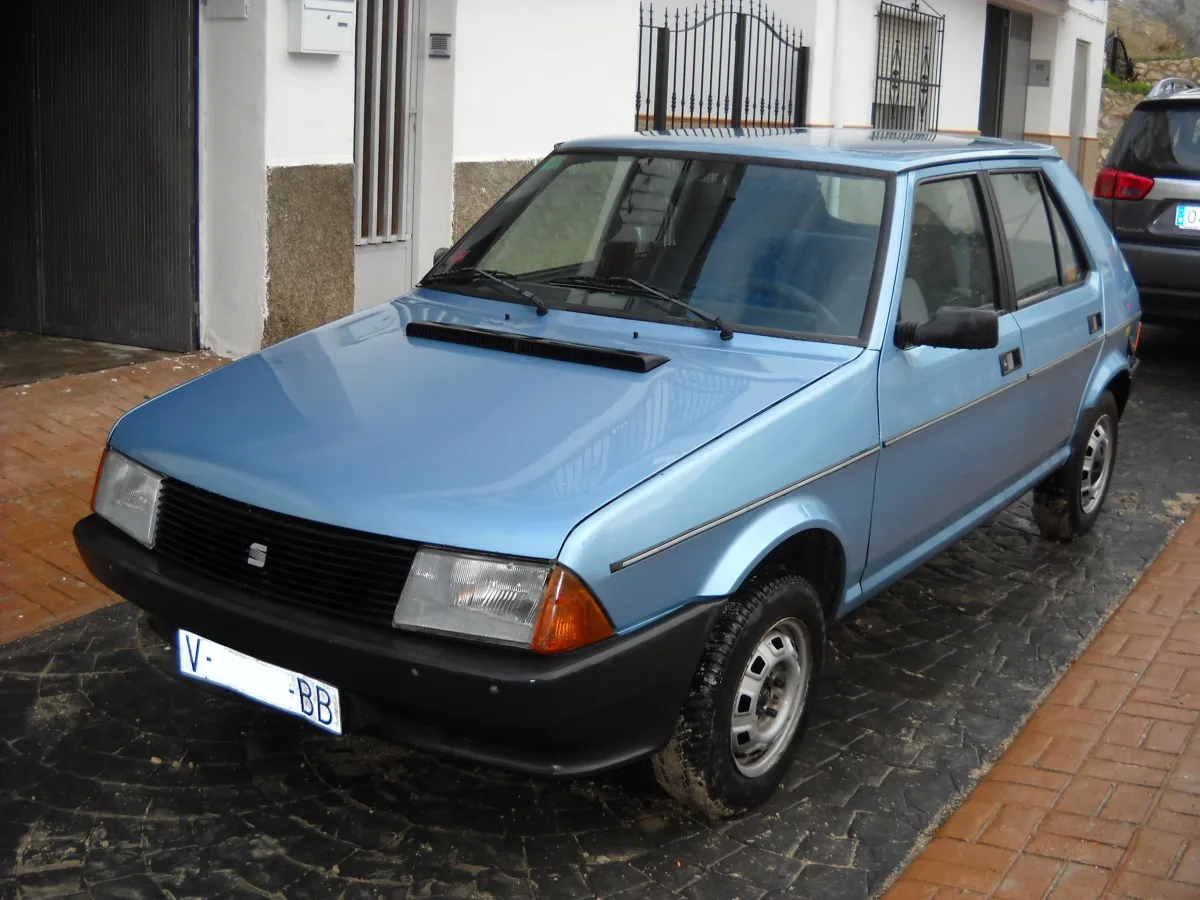
Seat Ronda (1982–1986): a Spanish hatchback with Italian roots
The Seat Ronda is a compact Spanish hatchback based on the Fiat Ritmo, introduced in 1982. This article explores its history, technology, and what you need to know if you're considering buying this rare classic car.






The Ronda was short-lived
The Ronda was the first Seat model developed after Seat ended its collaboration with Fiat. The car is based on the Fiat Ritmo but bears the Seat badge and some modifications.
It's a simple, lightweight, and practical front-wheel-drive hatchback with 3 or 5 doors. It's very rare in Lithuania, so it's often valued as a collector's item.
Versions and updates
The Ronda was produced for a short time only — until 1986. During its production run, several versions were offered, including the sportier Crono with a larger engine.
Due to its limited production run and age, few examples survive. Most of them are from Spain, so it can sometimes be easier to find parts using Fiat Ritmo equivalents.
Engines and gearboxes
The Ronda came with small-capacity petrol engines — roughly from 1.2 to 2.0 litres, while the more powerful Crono version was aimed at sportier driving.
The gearbox is manual. Front-wheel drive. The technology is simple, so many jobs can be done even with basic tools.
What to check if you're considering buying one
First and foremost — the body. Cars from this era by Fiat and Seat often rust around the wings, sills, floors, and rear arches.
Check the condition of the engine and gearbox, electrical system, plastic interior parts, and brakes. Interior components often wear out, and some parts may no longer be available for purchase.
Ensure that the paperwork is in order and that the numbers match — rare cars are often subject to fraudulent alterations.


Trim levels
Names and equipment vary by market and year; we list the versions most commonly found in Europe.
Ronda GL
1982–1986Base trim with a smaller engine.
- Small-displacement petrol engine
- Often — a simple cloth interior
- Basic, practical equipment
Ronda Crono
1982–1986Sportier version with a larger engine.
- Larger-displacement petrol engine
- Often — sportier trim
- Often — lightweight alloy wheels
Comparison of versions
| Ronda GL | Ronda Crono | |
|---|---|---|
| Who it's for | Everyday driving | For sportier driving |
| Engine | Smaller capacity | Larger capacity, up to around 2.0 litres |
| Interior | Basic | Sportier |
| Price in the used market (relatively) | Budget-friendly | Mid-range |
Most buyers will be happy with the base version, but the Crono is worth considering only if it's well-maintained and has a clear history.
Pros
- A rare and unique classic car
- Straightforward tech
- A light and practical hatchback
- You can search for parts by looking at Fiat Ritmo equivalents
Cons
- Very few are on offer
- Body rust and interior wear
- Some parts are no longer available to purchase
Frequently asked questions
Is the Seat Ronda the same as the Fiat Ritmo?
Not quite, but technically they are very close: the Ronda is a Seat model based on the Fiat Ritmo.
How many years was the Ronda produced?
Produced from 1982–1986
Is the Ronda suitable for daily use?
It could be, but due to its age and limited safety features, it is more often used as a classic car.
Updated 2026-10-19 · Trim levels and equipment vary by market and model year — check the equipment of the specific car. · Translated automatically


