 English
 Lietuvių
 Latviešu
 Eesti
 Polski
 Русский
 Українська
 Deutsch
 Nederlands
 Čeština
 Slovenčina
 Svenska
 Norsk
 Dansk
 Suomi


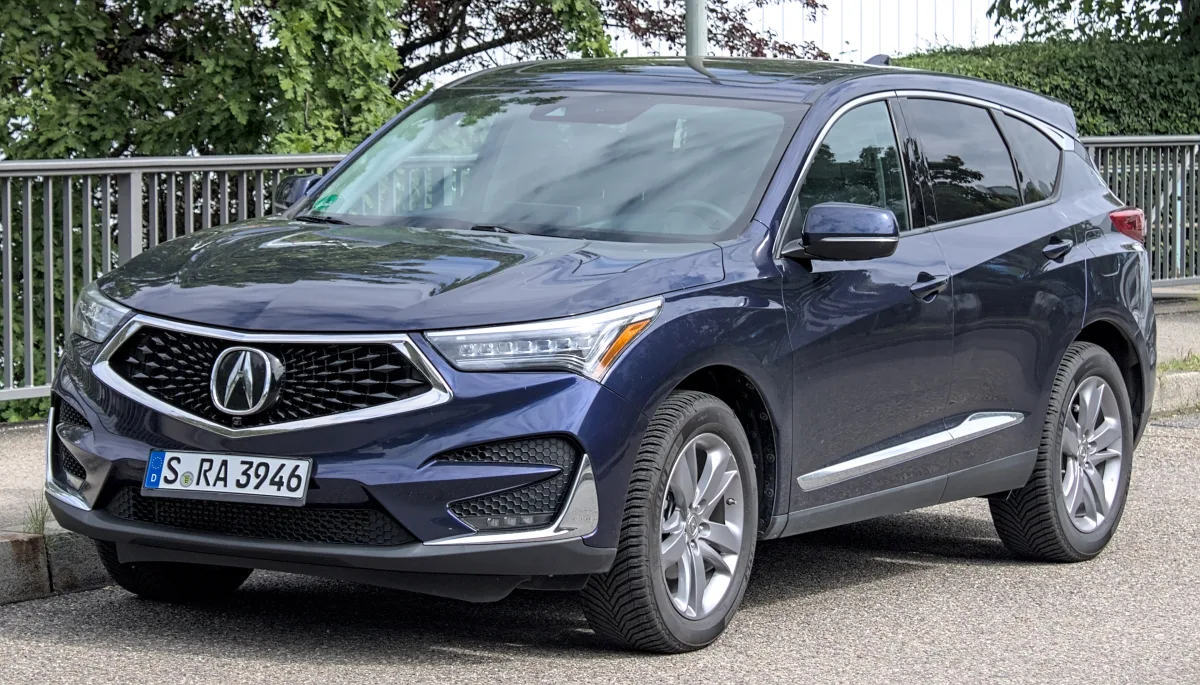
Acura RDX: three generations, turbo and V6 engines, what to know when buying used
The Acura RDX is a compact luxury crossover that's been in production since 2006. It's not officially sold in Europe, so in Lithuania, it's usually imported from the US or Canada. We'll look at the generations, engines, and what to check before buying.






RDX in brief
The RDX is Acura's luxury arm of Honda's compact crossover with a comfortable, well-appointed interior and often all-wheel drive. It competes with the Audi Q5, BMW X3, and Lexus NX.
Due to limited imports, the RDX is rare in Lithuania. Before buying, check the history via the VIN and ensure servicing options are available.
Generations — what's the difference
The first generation (2007–2012) featured a 2.3-litre turbo four-cylinder engine and a sporty character. It offered lively handling and all-wheel drive with active torque distribution.
The second generation (2013–2018) came with a naturally aspirated 3.5-litre V6 producing around 280 hp and a more refined character. The third (from 2019) returns to a turbo four-cylinder (around 270 hp), a ten-speed automatic, and more advanced electronics.
Engines and transmissions
The first generation had a 2.3-litre turbo four-cylinder engine with around 240 hp. The second had a 3.5-litre V6 with a six-speed automatic, while the third features a 2.0-litre turbo with a ten-speed auto.
All-wheel drive is common in many models, but there are also front-wheel-drive versions available.
What to check when buying a used RDX
Check the VIN and history via US databases. The first-gen turbo engine requires timely oil changes — ask for the service history.
Test all-wheel drive, the automatic gearbox, and suspension components. Check the electronics and sensors, especially in third-gen cars with more advanced systems.
Check availability of spare parts in advance — Acura parts might be pricier or take longer to order than Honda parts.


Trim levels
Names and equipment vary by market and year; we list the versions most commonly found in Europe.
Technology
second and third generationHigher comfort trim with additional features.
- Often — navigation
- Often — leather interior
- More electronics
A-Spec
third generationSportier looks.
- Sporty wheels
- Sportier interior
- Often — special seat upholstery
Advance
third generationThe premium version.
- More generous comfort and safety equipment
- Often — larger alloy wheels
- Higher price
Comparing generations
| Pirma karta | Antra karta | Trečia karta | |
|---|---|---|---|
| Who it suits | For dynamic driving | For relaxed comfort | For modern features |
| Engine | 2.3-litre turbo, around 240 hp | 3.5-litre V6, around 280 hp | 2.0-litre turbo, around 270 hp |
| Price in the used market (relatively) | € | €€ | €€€ |
If you want lively driving and a lower price — go for the first generation. If a smooth, comfortable ride is key — opt for the second. If you're after modern features — choose the third.
Pros
- Well-appointed interior
- Often comes with all-wheel drive
- Honda engineering with a solid reputation
- Dynamic or sedate character — depending on the generation
Cons
- Not officially sold in Europe, so parts and servicing can be tricky
- The first-gen turbo engine is fussy about maintenance
- It's crucial to check the history of an imported car
Frequently asked questions
Is the Acura RDX sold in Europe?
No, it's not officially sold here. In Lithuania, you'll find models imported from the USA or Canada.
Which RDX generation is the best?
It depends on your needs: first-gen for liveliness, second-gen for a smooth V6, third-gen for modern features.
What engines does the RDX have?
For the first time, a 2.3-litre turbo, then a 3.5-litre V6, and finally a 2.0-litre turbo.
Updated 2026-10-21 · Trim levels and equipment vary by market and model year — check the equipment of the specific car. · Translated automatically


