 English
 Lietuvių
 Latviešu
 Eesti
 Polski
 Русский
 Українська
 Deutsch
 Nederlands
 Čeština
 Slovenčina
 Svenska
 Norsk
 Dansk
 Suomi


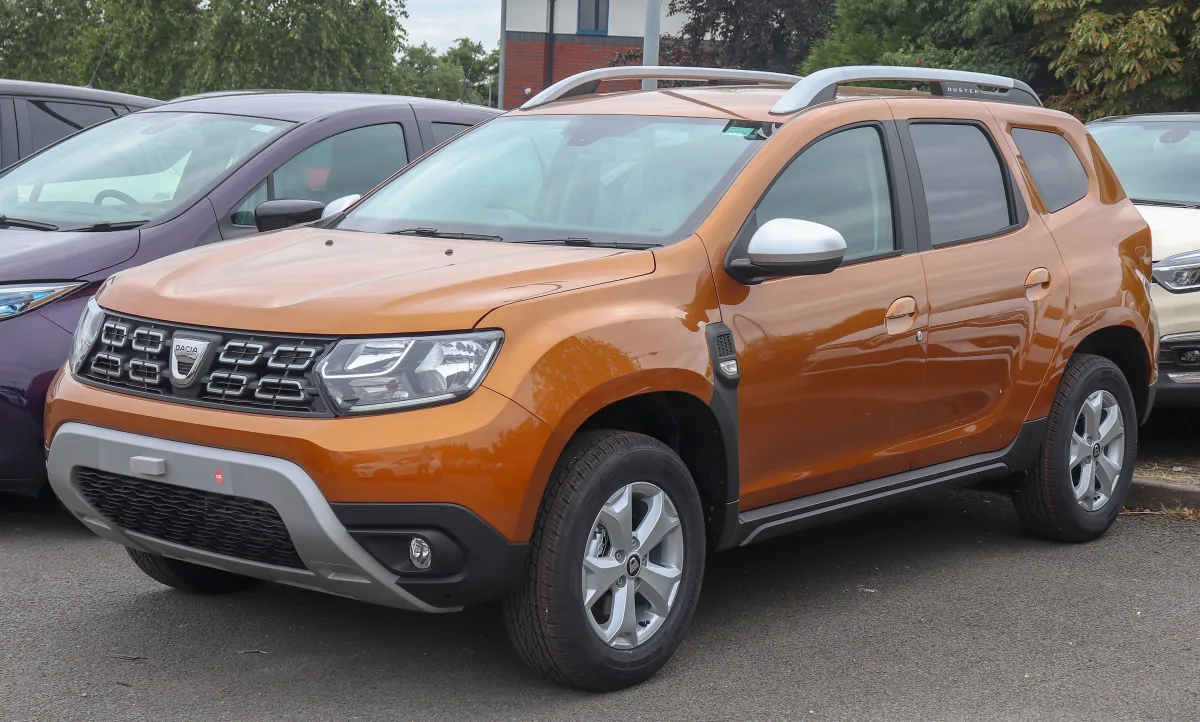
Dacia Duster: I, II and III generations, engines and trims
The Dacia Duster is a straightforward, no-frills SUV for those who prioritise practicality and running costs over luxury. In Lithuania, it's valued for its spacious interior, generous ground clearance, and the option of four-wheel drive. We look at all three generations, engines, trims, and what to check before buying a used one.






Duster in brief
The Duster was launched in 2010, and the third generation is now in production. It uses Renault and Nissan group technology, so many engines and parts are shared with Renault models. Front-wheel drive and four-wheel drive (4x4) versions are available.
The Duster is praised for its high ground clearance, simple construction, and affordable spare parts. The interior is more basic, and the sound insulation is not as good as in more expensive SUVs, but buyers of this model usually know this and choose it for its price and practicality.
I, II and III generations — what's the difference
The first generation (2010–2017) is the simplest and most affordable. At the end of 2013, refreshed models received a new front end, a more comfortable interior, and new engines. Most of these cars are now quite old, so the condition of the body and underbody is more important than the trim level.
The second generation (2018–2024) looks similar to the first, but almost everything has been changed: a sturdier body, a quieter and better-equipped interior, and more safety features. The 2021 refreshed version got new headlights, a larger multimedia screen, and an EDC automatic gearbox with the petrol engine. This is the most popular generation in the used market.
The third generation (from 2024) is built on the new CMF-B platform, just like the Sandero and Jogger. It's more modern, better-equipped, and comes with hybrid transmissions, although the diesel engine is no longer available.
Engines and gearboxes
In the first generation, you'll often find 1.6-litre petrol (around 105–115 hp) and 1.5 dCi diesel (around 85–110 hp) engines, and after the refresh, the 1.2 TCe (125 hp). LPG (liquefied petroleum gas) conversions are also common.
In the second generation, there's the 1.6 SCe (around 115 hp), from 2019 the 1.0 TCe (around 90–100 hp) and 1.3 TCe (130–150 hp) petrol engines, the factory LPG version ECO-G, and 1.5 dCi and Blue dCi diesels (around 90–115 hp). Four-wheel drive is usually paired with a 6-speed manual gearbox.
In the third generation, you'll find the 1.0 TCe 100 ECO-G (petrol and LPG), 1.2 TCe 130 with a mild hybrid (4x4 available), and the full hybrid Hybrid 140 with an automatic gearbox.
What to check when buying a used Duster
Inspect the underbody, sills, and wheel arches—especially on first-generation models, which often already show signs of corrosion. Since the Duster is frequently used on rough terrain and off-road, check the suspension, underbody protection, and look for signs of impact.
The 1.2 TCe engine (first generation post-facelift) is notorious for increased oil consumption — ask how often it needs topping up and check if the engine is smoking. For diesel cars, inspect the diesel particulate filter (DPF) and EGR valve, and for Blue dCi models, check the AdBlue system.
In 4x4 versions, test the gearbox mode switching and ask if the rear differential oil has been changed. If the car has LPG equipment, ensure it's registered in the documents and well-maintained. Check the service history for regular maintenance and servicing.


Trim levels
Names and equipment vary by market and year; we list the most common trims found in Europe.
Laureate
First generationThe most popular first-generation trim.
- Steel wheels
- Air conditioning, electric windows
- Often — Media Nav multimedia with navigation (post-facelift)
Essential
Second generationThe basic and affordable second-generation trim.
- Alloy wheels
- Often — air conditioning
- Basic sound system
Comfort
Second generationThe most popular choice — a good balance of price and equipment.
- Steel wheels
- Often — touchscreen infotainment display and rear-view camera
- Often — cruise control and rear parking sensors
Prestige
First generation post-facelift, second generationThe trim with the most equipment.
- Larger light-alloy wheels
- Often — automatic climate control and keyless entry
- Often — four-camera surround-view system and blind-spot monitoring
Expression
Third generationMid-range third-generation trim that suits most buyers.
- Steel wheels
- Often — large touchscreen with smartphone integration
- Often — rear-view camera
Extreme
Second generation (from 2022), third generationAdventure-style version for active leisure.
- Easy-to-clean rubber mats and robust door sills
- Bold interior trim details
- Often — four-camera video system
Comparison of second-generation trims
| Essential | Comfort | Prestige | |
|---|---|---|---|
| Who it's for | For the tightest budgets | For most buyers | For comfort and gadget lovers |
| Wheels (most often) | 16-inch steel | 16–17-inch alloy | 17-inch alloy |
| Multimedia | Basic sound system | Often — touchscreen | Touchscreen, often with navigation |
| Cameras and sensors | Mostly not included | Often — rear parking sensors or camera | Often — four-camera system |
| Price in the used market (relatively) | Budget-friendly | Mid-range | Mid-range |
For most buyers, the best choice is the Comfort with a 1.3 TCe or 1.5 Blue dCi engine. Opt for the Prestige if cameras and more comfort are important, and the Essential only if you're on a very tight budget.
Pros
- Generous ground clearance and the option of 4x4
- Affordable and easily sourced spare parts
- Spacious interior and boot for its class
- Factory gas (ECO-G) version for lower fuel costs
Cons
- Poorer sound insulation and basic interior materials
- Rust is common in first-generation models
- Fewer safety and assistance systems than pricier rivals
Frequently asked questions
Is it worth buying a Duster with four-wheel drive?
Yes, if you often drive on rough roads, forest tracks, or unplowed roads in winter. In the city and on highways, front-wheel drive will suffice — such a car is cheaper, lighter, and slightly more economical.
Which Duster engine is best?
For most people, the 1.3 TCe petrol engine is a solid choice on the second-generation model — it's powerful enough and quiet. For those who do a lot of city driving, the 1.5 Blue dCi diesel is worth considering, while those looking to minimise fuel costs should opt for the factory ECO-G gas version.
What's the difference between the Duster II and Duster III?
The third-generation model is more modern, better equipped and available with hybrid transmissions, but it lacks a diesel option and is significantly more expensive on the used market. The second-generation model is more basic, but offers a wider range and lower prices.
Is the Dacia Duster reliable?
The Duster's construction is simple, and many of its components are shared with Renault models, so repairs are usually affordable. The key is to check the specific car's service history, body corrosion and, if it has the 1.2 TCe engine, oil consumption.
Updated 2026-10-09 · Trim levels and equipment vary by market and model year — check the equipment of the specific car. · Translated automatically


