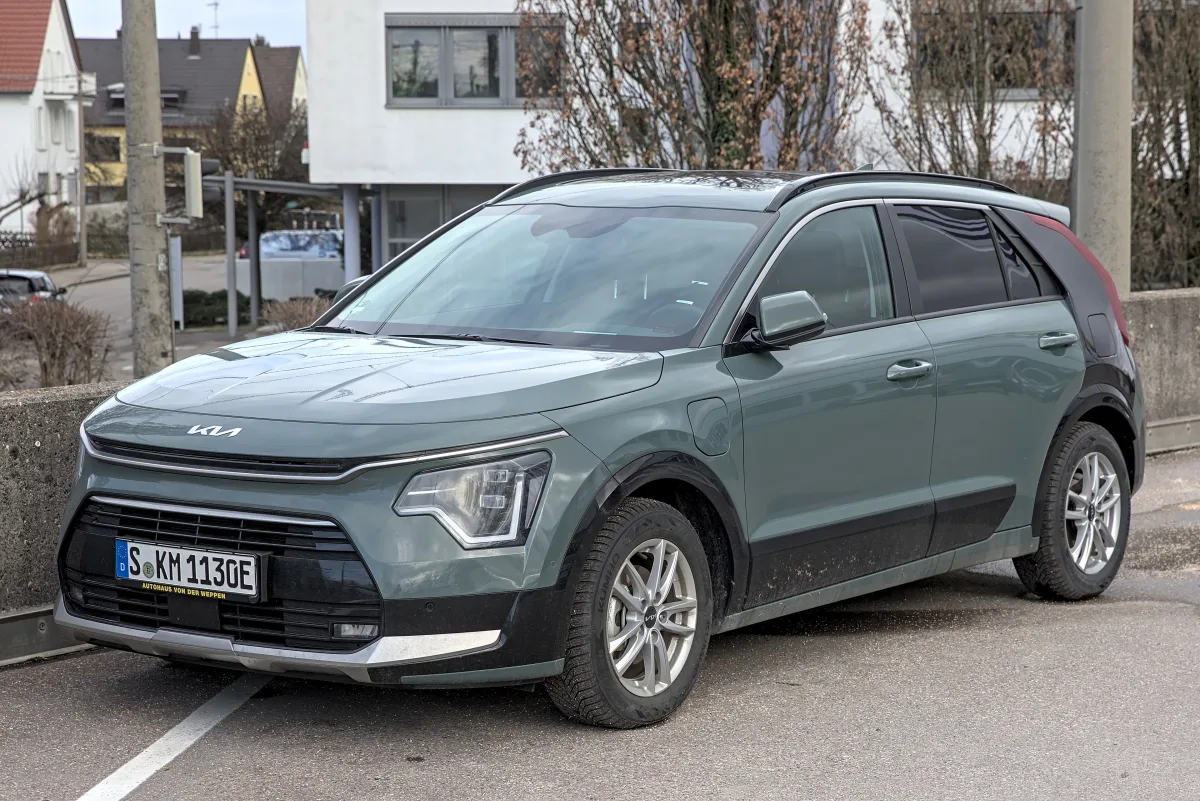
Kia Niro: DE and SG2 generations, hybrids, electric vehicles and trims
The Kia Niro is a compact crossover that was designed from the get-go as an electrified vehicle: a hybrid, plug-in hybrid, or electric car. It's popular in the used market for its low fuel consumption and practical interior. We're looking at the DE and SG2 generations, gearboxes, trims, and what to check before buying.
ADVERTISEMENT
The Niro in brief
The first Niro generation (DE) went on sale in 2016 as a hybrid (HEV), with a plug-in hybrid (PHEV) arriving in 2017, and the electric e-Niro in 2018. The second generation (SG2) has been on sale since 2022 and offers the same three powertrains; the electric version is called the Niro EV.
The Niro is praised for its economy, ease of access, and a spacious interior that's more generous than you might expect from the outside. All versions come with front-wheel drive, making it a more practical family car than an off-roader. New Kias in Europe typically come with a 7-year or 150,000km warranty, so it's worth checking if any of that remains on a newer car.
DE and SG2 generations — what's the difference
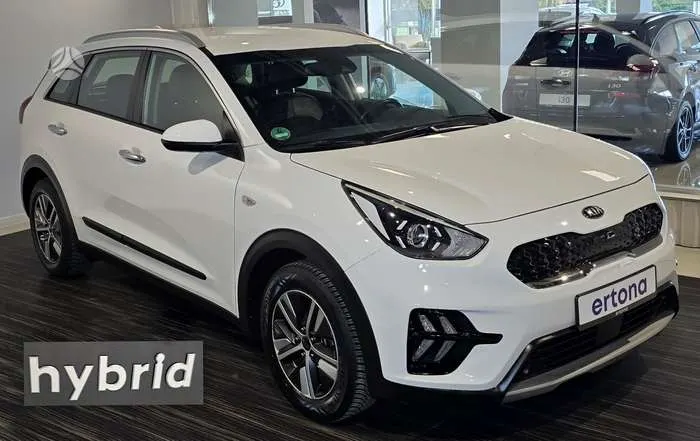
The DE generation (2016–2022) was refreshed in 2019: the front end was revised, the interior got a larger screen and more driver-assistance systems. It's the most popular Niro generation in the used market — there's plenty of choice, and the hybrid tech is well-proven.
The SG2 generation (from 2022) is slightly larger, with a more striking design featuring a contrasting rear diffuser, a more modern interior, and newer safety systems. The plug-in hybrid gets a larger battery and more power.
When choosing a Niro, the key factor isn't the generation but the powertrain: a hybrid suits almost everyone, a plug-in hybrid is for those who can charge regularly, and an electric vehicle is for those with a charging point at home or work.
Powertrains and transmissions
The Niro HEV in both generations combines a 1.6 GDi petrol engine and an electric motor, delivering around 141 hp. The hybrid doesn't need charging: a small battery recharges while braking and driving.
The plug-in hybrid DE generation had around an 8.9 kWh battery and could travel several dozen kilometres on electric power alone; the SG2 generation has a larger battery and around 183 hp. Hybrids and plug-in hybrids feature a 6-speed dual-clutch DCT transmission, which feels like a conventional automatic while driving.
The electric e-Niro (DE) is offered with around a 39 kWh (136 hp) or 64 kWh (204 hp) battery, while the Niro EV (SG2) comes with around a 65 kWh battery (204 hp). Electric versions have a single-speed reducer.
What to check when buying a used Niro
For the e-Niro and Niro EV, request a battery health (SOH) check, test charging with a constant current, and ensure all manufacturer recall work has been completed. Ask if the car has a heat pump—it significantly reduces power consumption in winter.
For hybrids and plug-in hybrids, ensure the system operates without error messages and the DCT transmission shifts smoothly. For the plug-in hybrid, check if charging works and how many kilometres are shown when driving on electric power alone.
The Niro is often used as a taxi or ride-hailing vehicle, so a high mileage isn't uncommon. Check it against service records and technical inspections, and inspect the wear on the driver's seat, rear seats, and suspension.
ADVERTISEMENT
Versions
Kia's trim names vary greatly by country, so we'll look at the main versions by gearbox; specific equipment depends on the trim.
Niro HEV
DE generation (2016–2022)
The most popular version is the economical hybrid without plug-in capability.
1.6 GDi engine and electric motor, around 141 hp
6-speed DCT gearbox
Often comes with navigation and a rear-view camera
Niro PHEV
DE generation (from 2017)
Plug-in hybrid for short electric-only journeys.
Approximately 8.9 kWh battery
Charges from a household socket or charging station
Smaller boot than the HEV versions
e-Niro
DE generation (from 2018)
Electric vehicle with a long range for its class.
About a 39 kWh or 64 kWh battery
Power around 136 or 204 hp
Often — a heat pump
Niro HEV
SG2 generation (from 2022)
A more modern hybrid with a newer interior.
1.6 GDi hybrid transmission, around 141 hp
Digital instrument cluster
Often — a dual-screen dashboard and more safety systems
Niro EV
SG2 generation (from 2022)
A newer generation electric car for the family.
About a 65 kWh battery, 204 hp
Often — a heat pump
Often — the ability to power external devices from the car's battery (V2L)
Niro transmission comparison
HEV
PHEV
e-Niro / Niro EV
Who it's for
Almost everyone, especially those without charging options
Those who can charge and drive short distances
If you have a charging spot at home or work
Transmission
1.6 GDi engine and electric motor, around 141 hp
1.6 GDi and electric engine, around 141–183 hp
Electric engine, around 136–204 hp
Gearbox
6-speed DCT
6-speed DCT
Single-speed reducer
Boot
Spacious
Smaller due to the battery
Similar to HEV or larger
Price in the used market (relatively)
€
€€
€€
For most buyers, the best choice is the Niro HEV: it's economical, straightforward, and doesn't require charging. The electric version is worth considering if you have somewhere to charge it, while the plug-in hybrid only makes sense if you charge it regularly.
Pros
Low fuel consumption, especially in the city
Spacious and practical interior
Three powertrain options — HEV, PHEV and electric
Well-proven hybrid technology
Cons
No all-wheel drive
Plug-in hybrid has a smaller boot
Ex-taxis often have high mileage
Frequently asked questions
What's the difference between Niro HEV and PHEV?
HEV is a conventional hybrid that doesn't need charging, while PHEV has a larger battery that can be charged from the mains and used for short electric-only journeys. PHEV is only useful if you charge it regularly — otherwise, it's just heavier and has a smaller boot.
Is a used e-Niro a good buy?
Often yes, if the battery is in good condition and you have somewhere to charge it. For longer journeys, opt for the 64 kWh version and check if the car has a heat pump — this is especially important in winter.
Is the Niro hybrid economical around town?
Yes, but hybrids offer the biggest savings in the city and on short journeys, where they often run on electric power. On motorways, fuel consumption is higher and closer to that of an efficient petrol car.
Updated 2026-10-09 · Trim levels and equipment vary by market and model year — check the equipment of the specific car. · Translated automatically
Comments
No comments about the Kia Niro yet. Share your experience.
We use necessary cookies to run the website. With your consent, we will also use analytics and advertising measurement cookies — to understand how the website is used and to measure our advertising results. Learn more
 English
 Lietuvių
 Latviešu
 Eesti
 Polski
 Русский
 Українська
 Deutsch
 Nederlands
 Čeština
 Slovenčina
 Svenska
 Norsk
 Dansk
 Suomi


 4