 English
 Lietuvių
 Latviešu
 Eesti
 Polski
 Русский
 Українська
 Deutsch
 Nederlands
 Čeština
 Slovenčina
 Svenska
 Norsk
 Dansk
 Suomi


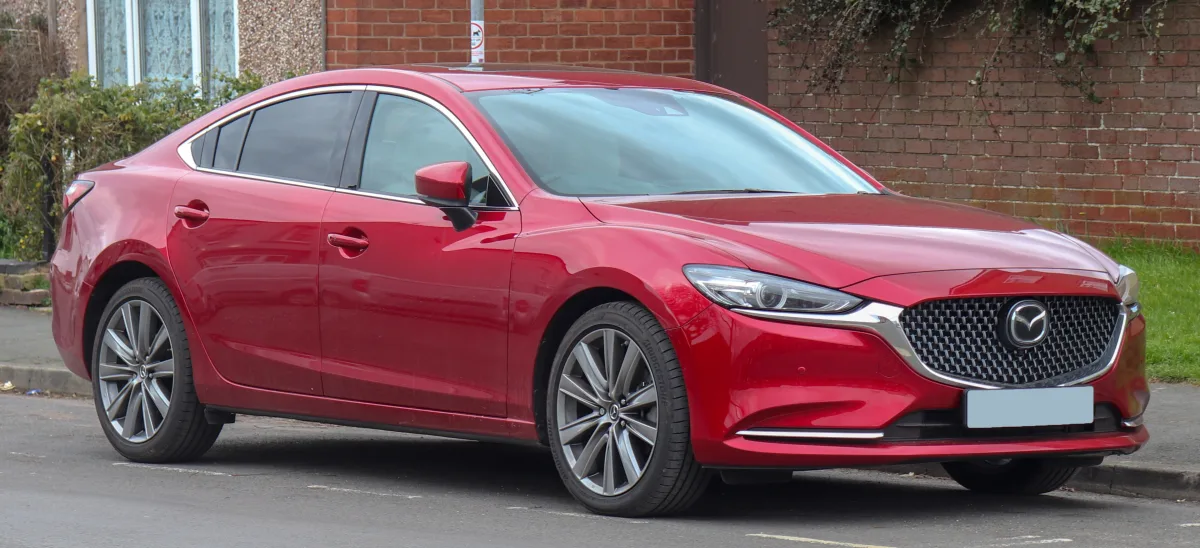
Mazda 6: GG, GH and GJ generations, engines and trims
The Mazda 6 is a mid-size sedan and estate car, praised for its expressive design and enjoyable driving experience. We look at how the GG, GH and GJ generations differ, which engines are the most reliable, how the trims vary and what to check when buying a used Mazda 6.






Mazda 6 in brief
The Mazda 6 has been produced in three generations: GG (2002–2007), GH (2007–2012) and GJ (from 2012 onwards). All have been offered as sedans and estates, with the first two also available as hatchbacks. The GJ generation was sold in Europe until 2023–2024.
The Mazda 6 appeals to those who want a spacious, well-equipped car but are looking for an alternative to German models. In the used market, it often undercuts similarly aged German rivals, and the petrol SkyActiv-G engines are considered reliable.
Which generation to choose
The GG generation is now quite old and often affected by rust, so it's only worth considering if bought very cheaply. The GH generation (2007–2012) is more spacious and modern, but its diesel engines have a poor reputation, so it's safer to opt for a petrol engine.
The GJ generation (from 2012 onwards) is the most popular in the used market. It was built using SkyActiv technologies: a lighter body, economical engines and a 'Kodo' design style. The 2015 update improved interior quality and added more safety systems, while the 2018 model received a new front end, a significantly more luxurious interior and a quieter ride.
When buying a GJ, it's worth choosing a car from after the 2015 update. Cars built after 2018 are the highest quality, but also the most expensive.
Engines and transmissions
GJ generation petrol engines — 2.0 SkyActiv-G (145 or 165 hp) and 2.5 SkyActiv-G (around 192–194 hp). These are naturally aspirated, no turbo, so they're simple and reliable, but not as elastic at low revs as turbocharged units.
The 2.2 SkyActiv-D diesel is offered in 150 and 175 hp (later 184 hp) outputs. It's economical and pulls strongly, but can be fussy on short urban trips. GH generation cars come with 1.8, 2.0 and 2.5 petrol engines, as well as 2.0 and 2.2 MZR-CD diesels.
Transmissions are 6-speed manual or automatic; the GJ generation's automatic SkyActiv-Drive has 6 gears and a torque converter, shifting smoothly and considered reliable. In some markets, the GJ diesel was available with four-wheel drive.
What to check when buying a used Mazda 6
Corrosion — older Mazdas have a weak spot. On GG and GH generations, check the wheel arches, sills and underbody; on the GJ, rust is less common, but it's still worth inspecting the underside and paint chips from stones.
Short trips can harm SkyActiv-D diesels: incomplete DPF regenerations allow fuel into the oil, raising its level. Check the oil level — there's a mark X on the dipstick that must not be exceeded. GH generation 2.2 MZR-CD diesels are notorious for oil sump and injector seal failures, so it's worth buying one with a good history.
Check the screen and control knob of the infotainment system. For all cars, inspect the ride according to service and maintenance records, and the body for painted parts and uneven gaps.


Trim levels
Names and equipment vary by market and year. Many Mazda 6s in Lithuania were imported from Germany, so German trim level names are common; British cars often have SE-L, Sport Nav, GT Sport.
Prime-Line
Second-generationThe base trim is the simplest and most affordable.
- Climate control
- A more basic infotainment system
- Often — smaller lightweight alloy wheels
Center-Line
Second-generationThe most popular choice — a good balance of price and features.
- Lightweight alloy wheels
- Often — navigation and parking sensors
- Often — heated front seats
Exclusive-Line
Second-generationMore comfort and safety systems.
- Often — LED headlights
- Often — a projection screen and blind-spot monitoring
- Larger wheels
Sports-Line
Second-generationThe top-tier trim with all the bells and whistles.
- Single seats
- 19-inch wheels
- Often comes with a Bose sound system and more driver-assistance features
Comparing trims of the GJ generation
| Prime-Line | Center-Line | Exclusive-Line | Sports-Line | |
|---|---|---|---|---|
| Who it's for | For the tightest budgets | For daily driving | For comfort and safety | For the fully loaded experience |
| Wheels (most common) | 16–17-inch | 17-inch | 17–19-inch | 19 col. |
| Interior | Trim | Trim, often with heated seats | More equipment, often partial leather | Leather |
| Price in the used market (relatively) | Budget | Mid-range | Mid-range | Premium |
For most buyers, the best choice is the Center-Line or Exclusive-Line with the 2.0 or 2.5 SkyActiv-G petrol engine. The Sports-Line is worth considering for the full equipment list, and the diesel for those who do a lot of out-of-town driving.
Pros
- Attractive design and comfortable driving
- Reliable SkyActiv-G petrol engines
- Spacious interior and boot
- Often rich equipment for a lower price than German rivals
Cons
- Diesel engines are less suited to short journeys
- Corrosion on older models
- More road noise in the cabin, especially pre-2018
Frequently asked questions
Which generation of Mazda 6 should you choose?
For most buyers, the best choice is the GJ generation post-2015 refresh, or if budget allows, post-2018 refresh, when the interior became significantly more luxurious and quieter. Older generations are worth considering only with a petrol engine and after thoroughly checking for corrosion.
Petrol or diesel Mazda 6?
If you mostly drive in the city or short distances, opt for the petrol 2.0 or 2.5 SkyActiv-G — they're simpler and more reliable. The diesel 2.2 SkyActiv-D is better for those who do a lot of out-of-town driving.
What's the difference between the Mazda 6 sedan and estate?
The estate has a more practical boot, making it better suited to families. The GJ generation sedan is longer and more elegant, but both body styles share the same technology and trim levels.
Updated 2026-10-09 · Trim levels and equipment vary by market and model year — check the equipment of the specific car. · Translated automatically


