 English
 Lietuvių
 Latviešu
 Eesti
 Polski
 Русский
 Українська
 Deutsch
 Nederlands
 Čeština
 Slovenčina
 Svenska
 Norsk
 Dansk
 Suomi


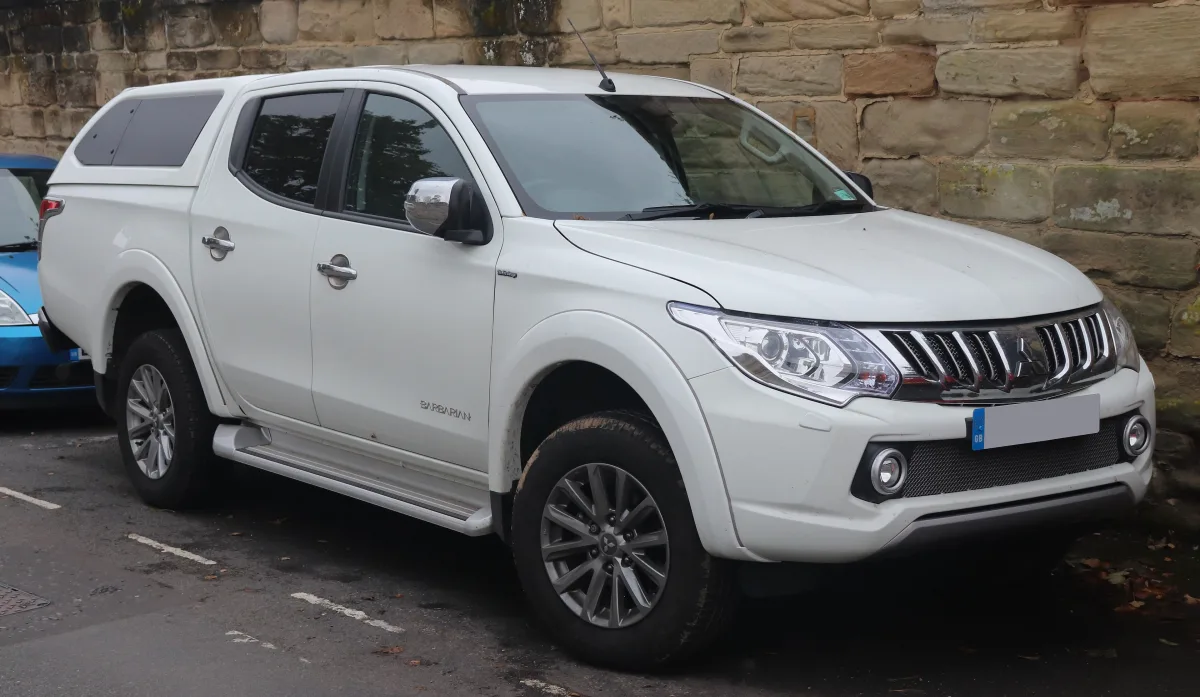
Mitsubishi L200: IV and V generations, engines and trims
The Mitsubishi L200 is a rugged pickup with a diesel engine and four-wheel drive, valued by farmers, builders, and hunters in Lithuania. We look at how the IV and V generations differ, which engines and four-wheel-drive systems are available, how the trims vary, and what to check when buying a used L200.






L200 in brief
The L200 is one of the oldest and most popular pickups in Europe; in some markets, it's known as the Triton. In the used market, you'll most often find the IV generation (2005–2015) and V generation (from 2015, refreshed in 2019), with a new generation launched in 2023.
The L200 comes with several cab styles: two-door (Single Cab), extended cab (Club Cab), and the most common in Lithuania, the four-door double cab (Double Cab). It's praised for its robust build, off-road capability, and ability to haul and tow heavy loads.
IV and V generations — what's the difference
The IV generation (2005–2015) stands out with its sloped rear cab and straightforward, sturdy engineering. It's the most affordable way to own an L200, but most have had a hard life, so the condition of the chassis, suspension, and drivetrain is crucial.
The V generation (from 2015) became quieter, more comfortable, and more car-like: a modern interior, lighter aluminium diesel engine, and more safety systems. The 2019 facelift gained a new, bolder front end, refreshed interior, and more driver-assistance features.
Both generations feature two four-wheel drive systems. The simpler Easy Select is engageable only off-road or on slippery surfaces, while Super Select II has a central differential, allowing all-wheel drive even on dry asphalt.
Engines and transmissions
In the fourth generation, you'll most commonly find the 2.5 DI-D diesel engine (around 136–178 HP, depending on the year and version). It's a straightforward, reliable engine, but its timing belt needs to be replaced on schedule.
In the fifth generation, before the update, the 2.4 DI-D diesel engine (around 154 or 181 HP) with a timing chain was fitted. The 2019 updated model in Europe usually comes with the 2.2 DI-D engine (around 150 HP), which uses AdBlue fluid to clean exhaust gases.
Transmissions are either manual (usually 5 or 6 speeds) or automatic. The fifth-gen L200 with a double cab can typically tow up to around 3 tonnes with brakes.
What to check when buying a used L200
First, inspect the frame from underneath: corrosion, dents, or welding marks, especially near the leaf spring mounts and behind the cab, are serious warning signs. Also, check if the vehicle hasn't been heavily used off-road—look for a damaged underbody, bent guards, and damaged suspension parts.
Test the four-wheel drive: it should engage and disengage smoothly, and the dashboard indicator shouldn't flicker for long. In manual transmission cars, check that the shifter doesn't feel loose and that the gear stick doesn't rattle.
Check the IV generation engine for a worn-out timing belt. In V generation cars, especially those driven extensively in the city, inspect the diesel particulate filter (DPF), and for models post-2019, check the AdBlue system. Verify the mileage according to service records, as commercial vehicles often have high mileage.


Trim levels
Names and equipment vary by market and year; we list the most common trims found in Europe, while Warrior and Barbarian are names specific to the UK market.
Invite
IV and V generationsA more basic commercial trim.
- Steel wheels are common
- Often comes with Easy Select all-wheel drive
- Air conditioning and a basic audio system
Intense
IV and V generationsThe most popular choice — a good balance of price and features.
- Light alloy wheels
- Often features Super Select II all-wheel drive
- Often includes automatic climate control and cruise control
Instyle
IV and V generationsThe top standard trim with the most comfort features.
- Leather interior and heated seats
- Often features Super Select II all-wheel drive
- Often — navigation and rear-view camera
Warrior
IV and V generationsWell-equipped version, popular in Great Britain.
- Light alloy wheels
- Often — leather interior
- Often — navigation and rear-view camera
Barbarian
IV and V generationsThe most luxurious version on the British market.
- Leather interior and chrome details
- Larger light-alloy wheels
- Often — mostly safety and comfort features
Comparison of V generation trims
| Invite | Intense | Instyle | |
|---|---|---|---|
| Who it's for | For work | For work and daily driving | For comfort and long journeys |
| Wheels (most often) | 16 in. | 16–17 in. | 17–18 col. |
| Four-wheel drive | Easy Select | Easy Select or Super Select II | Super Select II |
| Interior | Upholstery | Upholstery | Leather |
| Price in the used market (relatively) | € | €€ | €€€ |
For most buyers, the best choice is Intense or Instyle with Super Select II transmission, as it allows for all-wheel drive on the road. The Invite is ideal for those who need a straightforward workhorse.
Pros
- A robust ladder frame and solid towing capacity
- Super Select II allows for all-wheel drive on the tarmac
- Can tow a heavy trailer
- Simple tech and a wide range of spare parts
Cons
- Sturdy chassis without a load
- Many used cars have been worked hard
- Body corrosion in older models
Frequently asked questions
What's the difference between Easy Select and Super Select II?
Easy Select is the simpler system: engaging 4WD on dry asphalt is not recommended. Super Select II has a central differential, so 4WD can be used on regular roads, for example, in winter.
Which L200 generation to choose?
If the budget allows, go for the V series: it's quieter, more comfortable, and safer. The IV series is cheaper and simpler, but most cars will need more attention to the body, suspension, and engine.
Is the L200 suitable for daily driving?
Yes, especially the V series with a double cab. However, an empty pickup chassis is stiffer than an SUV, and parking in the city isn't convenient due to its length.
Updated 2026-10-09 · Trim levels and equipment vary by market and model year — check the equipment of the specific car. · Translated automatically


