 English
 Lietuvių
 Latviešu
 Eesti
 Polski
 Русский
 Українська
 Deutsch
 Nederlands
 Čeština
 Slovenčina
 Svenska
 Norsk
 Dansk
 Suomi


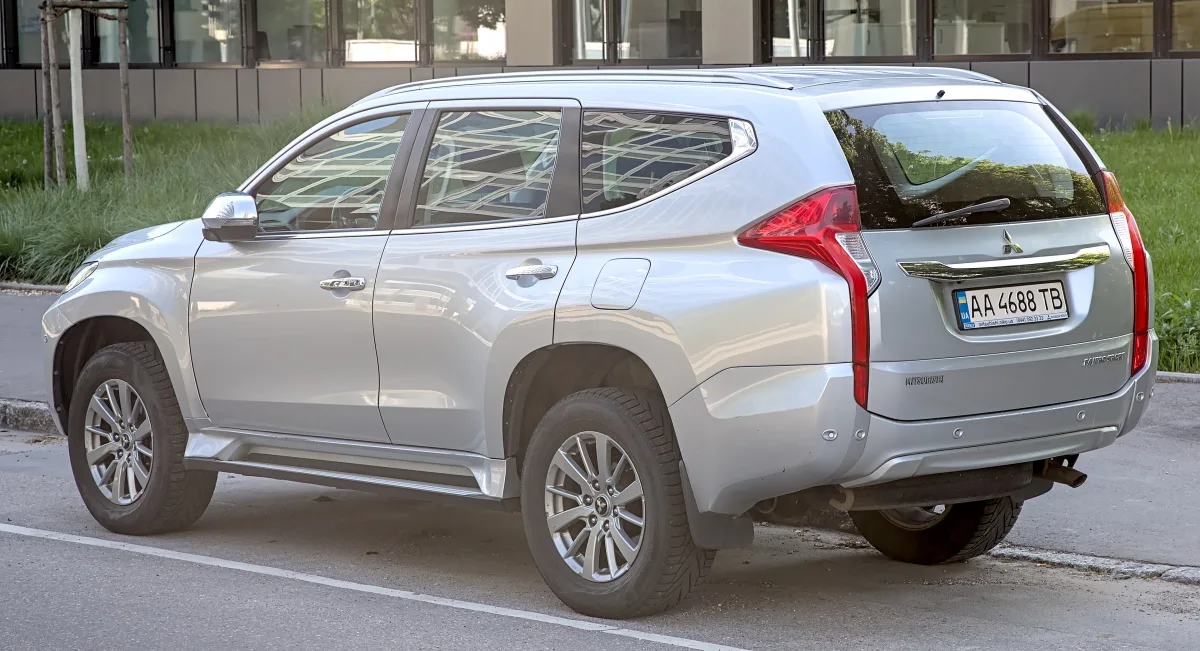
Mitsubishi Pajero Sport: generations, engines and trims
The Mitsubishi Pajero Sport is a body-on-frame SUV that's been in production since 1996. We'll look at three generations, the most common diesel engines, trims, and what to check when buying a used Pajero Sport.






Pajero Sport in brief
The Pajero Sport is built on the L200 pickup's platform, so it has a separate frame rather than a monocoque body. It's a robust, off-road-capable SUV that's great for towing and heavy-duty work.
It's smaller and more basic than the Pajero, but it offers plenty of interior space and seven seats in most versions. In Lithuania, it's less common than other SUVs, so the selection is limited.
Which generation to choose
The first generation (1996–2008) is a simple and reliable, but now aging SUV. Most of these cars have high mileage and were often used intensively.
The second generation (2008–2015) features a more modern interior and a more powerful 2.5-litre diesel. The third generation (from 2015) got a new diesel engine, more safety features and a better-appointed interior. It's pricier, but often considered the best choice if your budget allows.
Engines and gearboxes
First-generation models come with 2.5-litre turbodiesels and 3.0-litre V6 petrol engines. The second generation's mainstay is the 2.5-litre DI-D diesel (around 178 hp).
The third-generation Pajero Sport comes with a 2.4-litre DI-D MIVEC turbodiesel (around 180 hp) and an 8-speed automatic gearbox. The drivetrain is a four-wheel-drive 'Super Select 4WD-II', allowing you to choose driving modes based on road conditions.
What to check when buying a used Pajero Sport
For off-roaders, the condition of the underbody and the frame itself is crucial: check for any signs of corrosion, deformation, and repair marks. Inspect the suspension components and ask if the vehicle has been used for heavy off-roading.
In diesel engines, pay attention to the diesel particulate filter (DPF), EGR valve, and turbocharger. Test all four-wheel-drive modes and the gearbox for any signs of wear.
A full service history is important. If the vehicle has towed a trailer, check the tow hitch and gearbox for wear.


Trim levels
Trim names and equipment vary by market and year; we list the most commonly found.
Invite
Third generationBase trim level.
- Often includes alloy wheels
- Standard safety equipment
- Simpler interior trim
Intense
Third generationMid-range trim with more comfort features.
- Often includes more comfort functions
- Often includes leather and heated seats
- Additional driver assistance features
Instyle
Third generationThe top-spec trim.
- Often — larger alloy wheels
- Often — leather and electrically adjustable seats
- Packed with safety and comfort features
Trim comparison
| Invite | Intense | Instyle | |
|---|---|---|---|
| Who it's for | For work and basic commuting | For daily use | For comfort and long journeys |
| Interior | More basic | More practical | More luxurious |
| Price in the used market (relatively) | €€ | €€ | €€€ |
The mid-range trim is the most popular choice among buyers. Opt for the top-tier trim if you're after maximum comfort.
Pros
- Robust ladder-frame SUV
- Decent towing capacity
- Can tow a heavy trailer
- Seven-seater interior
Cons
- High fuel consumption
- Diesel system repairs can be expensive
- Less comfortable than monocoque SUVs
Frequently asked questions
How does the Pajero Sport differ from the Pajero?
The Pajero Sport is smaller, simpler, and built on a pickup truck chassis, while the Pajero is a larger, more luxurious SUV.
Is the Pajero Sport suitable for towing?
Yes, the ladder-frame construction and diesel engine are well-suited to towing trailers, but check the permitted towing weight in your vehicle's documents.
How many seats does the Pajero Sport have?
Many versions seat seven, but five-seaters can also be found. Check the specific car's registration documents.
Updated 2026-10-17 · Trim levels and equipment vary by market and model year — check the equipment of the specific car. · Translated automatically


