 English
 Lietuvių
 Latviešu
 Eesti
 Polski
 Русский
 Українська
 Deutsch
 Nederlands
 Čeština
 Slovenčina
 Svenska
 Norsk
 Dansk
 Suomi


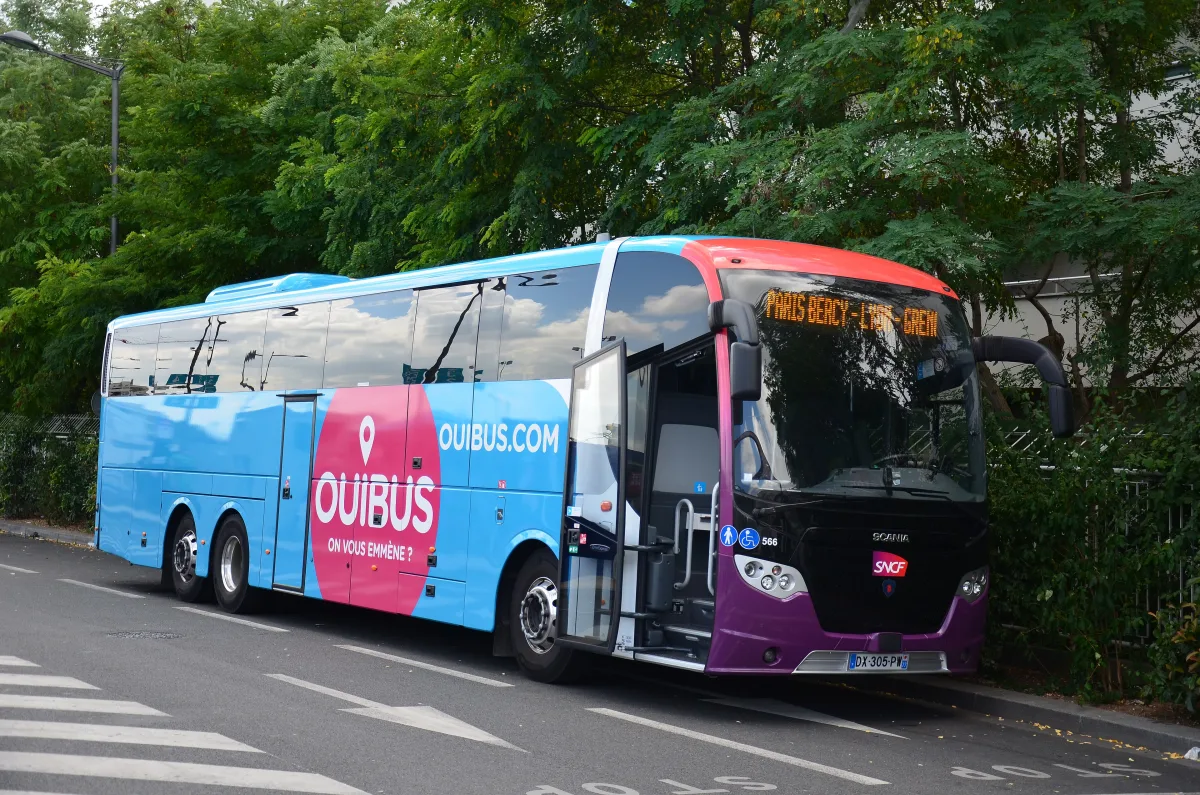
Scania OmniExpress: intercity coach, generations and inspection
Scania OmniExpress (2007–2012) — intercity and tour coach, built in Poland. We review the generations, engines, and what to check when buying used.






OmniExpress in brief
OmniExpress — Scania's intercity coach, used for intercity routes, excursions, and long-distance trips. It is built in Poland and has been used by many express route operators across Europe.
On the used market, the OmniExpress is sought after for its reliable Scania engines and comfortable interior. Price varies greatly depending on the generation, mileage, and body condition.
Generations — what's the difference
The OmniExpress comes in various lengths and with different axle counts — from two-axle to three-axle versions (e.g., 320, 340, and 360). They differ in capacity and luggage compartment size.
Different generations offer varying levels of comfort and equipment. Before buying, make sure you know the exact generation and number of seats.
Engines and transmissions
The OmniExpress is powered by Scania diesel engines — from around 9 litres to 12–13 litres in capacity. Emission standards vary by year — from Euro 4 to Euro 5 / EEV.
Transmissions come as manual, automated (Opticruise), or automatic. Before buying, test the transmission and clutch.
What to check when buying a used OmniExpress
Inspect the body — for dents, wheel arches, door frames, and the luggage compartment. Start the engine cold and listen for any unusual noises, smoke, or leaks.
Check the air suspension, brakes, retarder, air conditioning, seats, and emergency exits. Ask for service history and tachograph data.
In Euro 5 versions, check the AdBlue system. In the cabin, inspect the seats and flooring.


Versions
Names and equipment vary by market and year; we list generally described versions, but check the specific details in the documentation of the particular bus.
OmniExpress 320
2007–2012Two-axle intercity version.
- Comfortable cabin
- Scania engine
- Standard length
OmniExpress 340
Various yearsLonger version with greater capacity.
- More seating
- Larger luggage compartment
- Often — three axles
OmniExpress 360
Various yearsHighest capacity version.
- Longest body
- Most seats
- Check exact versions
OmniExpress Euro 5
later yearsNewer emissions version.
- Euro 5 / EEV engine
- AdBlue system
- More modern electronics
Version comparison
| 320 | 340 | 360 | |
|---|---|---|---|
| Who it's for | For intercity trips | For larger groups | For spacious trips |
| Capacity | Standard | Larger | Largest |
| Boot space | Standard | Larger | Largest |
| Price in the used market (relatively) | Mid-range | Mid-range | High-end |
The OmniExpress is ideal for operators needing an intercity coach with a reliable Scania engine. Choose the version based on capacity and check the technical condition.
Pros
- Reliable Scania engines
- Comfortable cabin
- Wide range of versions
- Well-known design
Cons
- Wear and tear with heavy use
- Euro 5 system maintenance
- Corrosion risk
Frequently asked questions
Where is the OmniExpress manufactured?
Manufactured in Poland.
What's the difference between the 320 and 360?
They differ in length, axle count, and capacity — check the exact details against the specific bus's documents.
What Euro emission standards?
It depends on the year — from Euro 4 to Euro 5 / EEV. Check the exact details against the documents.
Updated 2026-10-21 · Trim levels and equipment vary by market and model year — check the equipment of the specific car. · Translated automatically


