 English
 Lietuvių
 Latviešu
 Eesti
 Polski
 Русский
 Українська
 Deutsch
 Nederlands
 Čeština
 Slovenčina
 Svenska
 Norsk
 Dansk
 Suomi


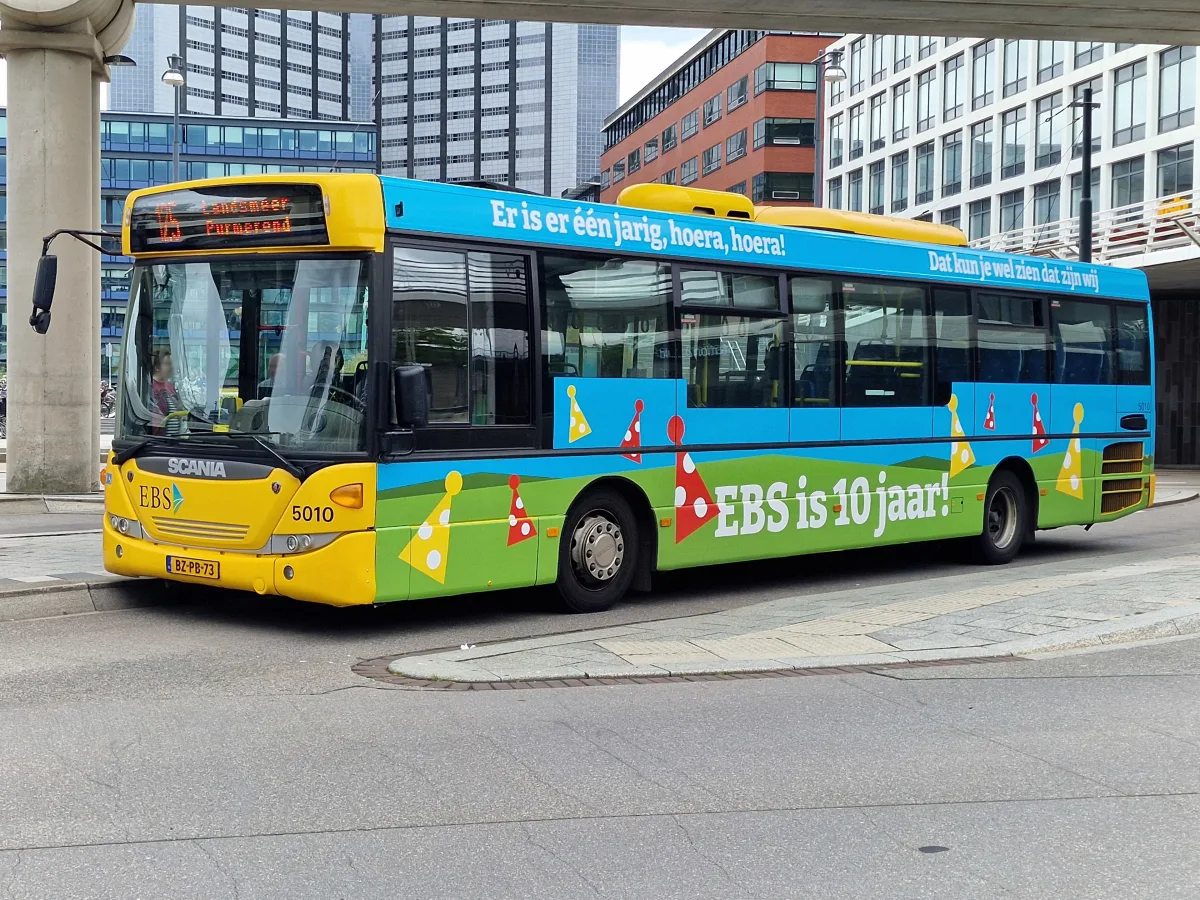
Scania OmniLink: city bus, generations and what to check
Scania OmniLink (1998–2011) — a low-floor city bus manufactured in Poland. We look at the generations, engines, fuel types, and what's important to check when buying used.






OmniLink in brief
OmniLink — a city and suburban bus designed by Scania for public transport. It is primarily manufactured in Poland (Słupsk) and was popular in many European countries, including Poland and Scandinavia.
In the used market, the OmniLink is often purchased by operators needing a more affordable but reliable low-floor bus. Supply varies, and the price mainly depends on mileage, condition, and bodywork.
Generations — what's the difference
OmniLink was offered in several lengths — the standard two-axle and the longer articulated (G) version. Different generations have varying capacities and low-floor interior layouts.
Aside from diesel, there were alternative fuel versions, such as compressed natural gas (CNG) and ethanol. These require special maintenance and fuel infrastructure, so they're worth buying only if you know how they'll be used.
Engines and transmissions
OmniLink buses are typically powered by Scania diesel engines — around 9-litre five-cylinder and around 12-litre six-cylinder. Newer models comply with Euro 4 or Euro 5 standards, while older ones meet Euro 3 and earlier.
Transmissions — automatic (ZF or Voith). In city driving, the transmission works hard, so it's particularly important to check its condition, oil changes, and smooth shifting.
What to check when buying a used OmniLink
Inspect the body, especially the floor, steps, and doors. Check the air suspension, brakes, and door mechanisms, as these work constantly in city buses.
Request the service history and assess the condition based on documents. Start the engine cold and listen for any unusual noises, oil leaks, or smoke.
In gas versions, check the cylinder certificates and the condition of the gas system. In Euro 5 versions, the condition of AdBlue and DPF is crucial.


Versions
Names and equipment vary by market and year; we list generally described versions, and check the exact specification in the documents of the specific bus.
OmniLink (standartinis)
1998–2011A two-axle low-floor city bus.
- Low-floor interior
- Often comes with an automatic gearbox
- A well-known design
OmniLink G
Various yearsLonger articulated version.
- Greater capacity
- Articulated joint
- More expensive maintenance
OmniLink CNG / etanolis
Various yearsAlternative fuel versions.
- Gas or ethanol system
- Special maintenance requirements
- Check the certificates
OmniLink Euro 5
Later yearsNewer emissions standard version.
- Euro 5 / EEV engine
- Often — more modern electronics
- AdBlue maintenance required
Version comparison
| Standartinis | G (sujungtas) | CNG | |
|---|---|---|---|
| Who it suits | For city and suburban routes | For higher passenger throughput | For cities with gas infrastructure |
| Fuel | Diesel | Diesel | Gas |
| Maintenance | More basic | More complex | Specialised |
| Price in the used market (relatively) | €€ | €€ | €€ |
The OmniLink is ideal for operators needing a simple and reliable low-floor bus. Choose based on technical condition and service history, not just looks.
Pros
- Low-floor interior
- Reliable Scania engines
- A well-known design
- Wide range of variants
Cons
- Heavy city use wears out parts
- Alternative fuel versions need specialist maintenance
- Euro standards of older versions
Frequently asked questions
Where is the OmniLink manufactured?
Main production plant — Słupsk, Poland.
Are there OmniLink models with CNG?
Yes, there were CNG and ethanol versions, but their availability was limited.
Which Euro emissions standards?
It depends on the year — from Euro 3 to Euro 5 / EEV. Check the documents for precise details.
Updated 2026-10-21 · Trim levels and equipment vary by market and model year — check the equipment of the specific car. · Translated automatically


