 English
 Lietuvių
 Latviešu
 Eesti
 Polski
 Русский
 Українська
 Deutsch
 Nederlands
 Čeština
 Slovenčina
 Svenska
 Norsk
 Dansk
 Suomi


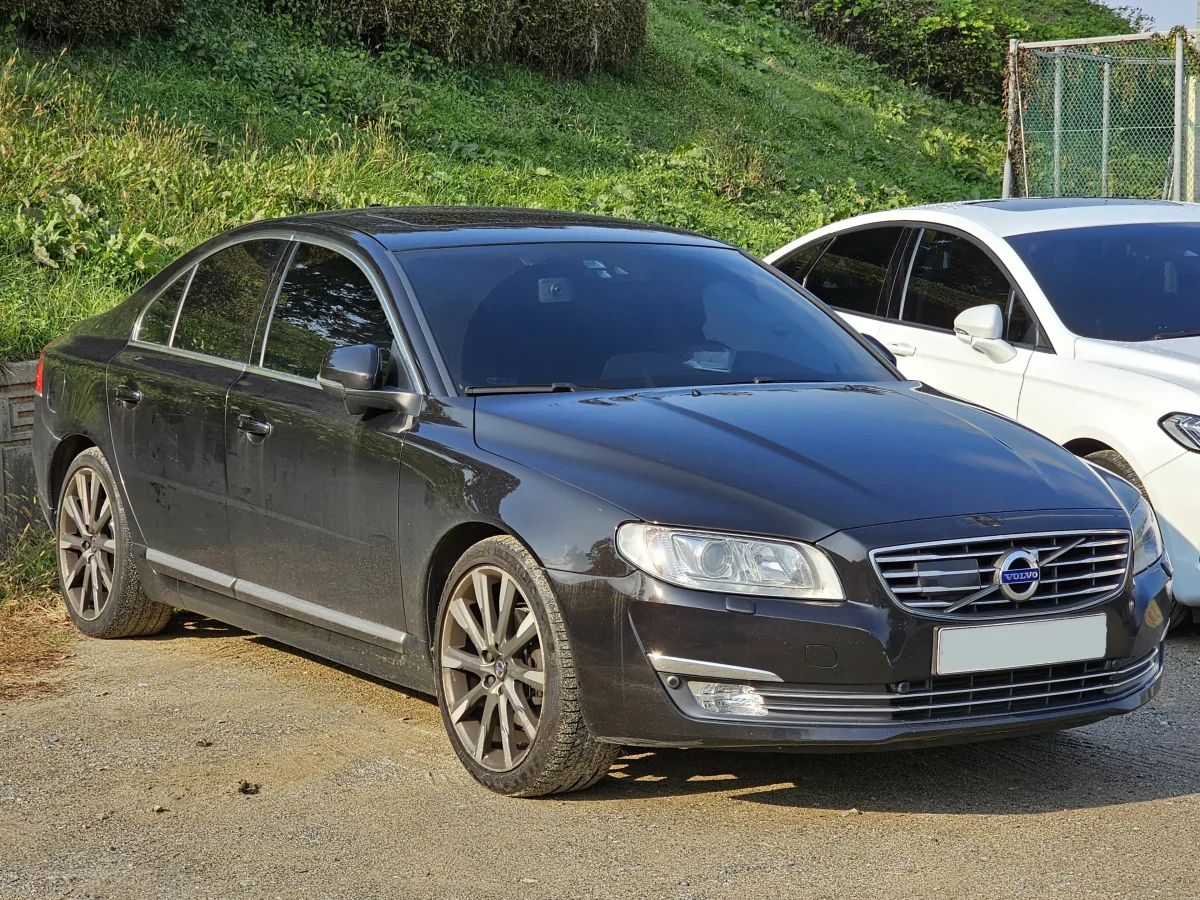
Volvo S80: I and II generations, engines and trims
Volvo S80 — a large, comfortable and safe executive saloon produced from 1998 to 2016. We look at both generations — I (1998–2006) and II (2006–2016), their engines, trims and what to check when buying a used S80.






S80 in brief
The S80 was Volvo’s largest saloon, replacing the previous S90 (960) and produced in two generations. In both generations, engines are mounted transversely, most cars are front-wheel drive, and some versions have all-wheel drive (AWD). In 2016, the S80 was replaced by the new S90.
The S80 is praised for its spacious interior, very comfortable seats, smooth ride and safety. In the used market, it is often cheaper than its German contemporaries of the same age, but most cars have high mileage, so the key is the technical condition and service history.
I and II generations — what’s the difference
The I generation (1998–2006) is already old but still found as an affordable large saloon. In 2003, it was refreshed: some styling details were changed, the interior improved, and an all-wheel-drive version was introduced. Due to age, most of these cars need investments in the suspension, electronics and body.
The II generation (2006–2016) was built on the same platform as the V70 and XC70: it is quieter, safer and has more features, such as adaptive cruise control or the Blind Spot Information System (BLIS). In 2009, the car was slightly refreshed, and in 2013, it received a new front end, improved interior and a possible digital instrument cluster.
For many buyers, the best choice is the second-generation S80, the best built since 2009. The first generation is only worth considering if you find a particularly well-maintained car with a clear history.
Engines and gearboxes
In the second generation, you'll most commonly find 2.4-litre five-cylinder diesels — D5 (around 185–215 hp), 2.4D and D4, as well as the 2.0-litre D3 and economical 1.6-litre DRIVe diesel. From 2014, there were new-generation 2.0-litre four-cylinder Drive-E engines.
Petrol engines in the second generation include the 2.0 and 2.5T, six-cylinder 3.2 (around 240 hp), 3.0-litre turbocharged T6 (around 285–304 hp) and the rare 4.4-litre V8 (around 315 hp). In the first generation, the most popular were the 2.4 and 2.5T petrols, the 2.8-litre T6 with twin turbos, and from the diesels, initially the 2.5 TDI, later the D5.
Gearboxes are manual or Geartronic automatics. Most second-generation cars have a six-speed automatic, while Drive-E engines have an eight-speed. The first-generation T6 was paired with a four-speed automatic, whose reliability is considered a weak point.
What to check when buying a used S80
D5 diesels are notorious for intake manifold flapper valve issues and EGR problems — power loss or dashboard error messages are often linked to these. If the car has done a lot of city driving, check the diesel particulate filter (DPF) too.
In first-generation T6s, thoroughly check the automatic transmission — slipping or jolts when shifting often indicate an expensive repair. The second-gen auto box benefits from regular oil changes; it should shift smoothly, without jolts or hesitation. In AWD versions, check the Haldex coupling and transfer case.
Check all the electronics — window regulators, the infotainment system, heated seats, and climate control, as repairs to extensive equipment can get pricey. Assess the ride based on service records and the vehicle's maintenance history.


Trim levels
Names and equipment vary by market and year; we list the most commonly found trims in Europe.
Kinetic
First and second generationsThe base trim, which already includes essential comfort features.
- Light-alloy wheels
- Often — automatic climate control
- Mostly — cloth upholstered seats
Momentum
First and second generationsThe most popular choice — a good balance of price and comfort.
- Often — parking sensors and cruise control
- Often — heated seats and a multifunction steering wheel
- Cloth, partial leather, or full leather seat upholstery
Summum
First and second generationsThe top standard trim with the most luxurious equipment.
- Leather interior, electrically adjustable seats
- Often — xenon headlights that light up on corners
- Often — navigation and a better sound system
Executive
First and second generationsThe most luxurious, less common version, designed for ultimate comfort.
- A single-tone interior and unique trim
- Often — additional features for rear-seat passengers
- Generous standard comfort equipment
Comparison of second-generation trims
| Kinetic | Momentum | Summum | |
|---|---|---|---|
| Who it suits | For the rational buyer | For daily driving and road trips | For comfort lovers |
| Alloy wheels (most often) | 16–17 inch | 17 inch | 17–18 inch |
| Interior | Fabric | Fabric or leather | Leather, electrically adjustable seats |
| Headlights | Halogen | Halogen, often xenon | Often xenon, cornering lights |
| Price in the used market (relatively) | € | €€ | €€€ |
For most buyers, the best choice is the Momentum or Summum with the D5 or D4 diesel: these cars are comfortable, well-equipped and most commonly found. The Kinetic is ideal for those who prioritise price over features.
Pros
- Spacious interior and very comfortable seats
- Quiet, smooth ride
- High level of safety
- Often cheaper than German rivals in the used market
Cons
- Less sporty handling than rear-wheel-drive competitors
- High fuel consumption for petrol engines
- Electronics and automatic gearbox repairs can be expensive
Frequently asked questions
Which S80 generation is best to buy used?
For most buyers, the best choice is the second-gen S80, built after 2009: it's safer, quieter and has more modern equipment. The first-gen is only worth considering if you find a very well-maintained example.
Which S80 engine is most reliable?
The 2.4-litre D5 diesel is most commonly chosen — it's long-lasting if well-maintained and turbo issues and EGR problems are addressed in time. The petrol 3.2 and T6 are smooth, but guzzle fuel, while the rare V8 is more for enthusiasts.
Does the S80 have four-wheel drive?
Most S80s are front-wheel drive, but both generations offered AWD versions — usually with more powerful petrol engines or the D5 diesel. In these cars, check the Haldex coupling and transfer case.
How do the S80 and S60 differ?
The S80 is a larger, more luxurious sedan with roomier rear seats and a more comfortable ride. The S60 is more compact and slightly sportier, so it's often chosen when space isn't the top priority.
Updated 2026-10-09 · Trim levels and equipment vary by market and model year — check the equipment of the specific car. · Translated automatically


