 English
 Lietuvių
 Latviešu
 Eesti
 Polski
 Русский
 Українська
 Deutsch
 Nederlands
 Čeština
 Slovenčina
 Svenska
 Norsk
 Dansk
 Suomi


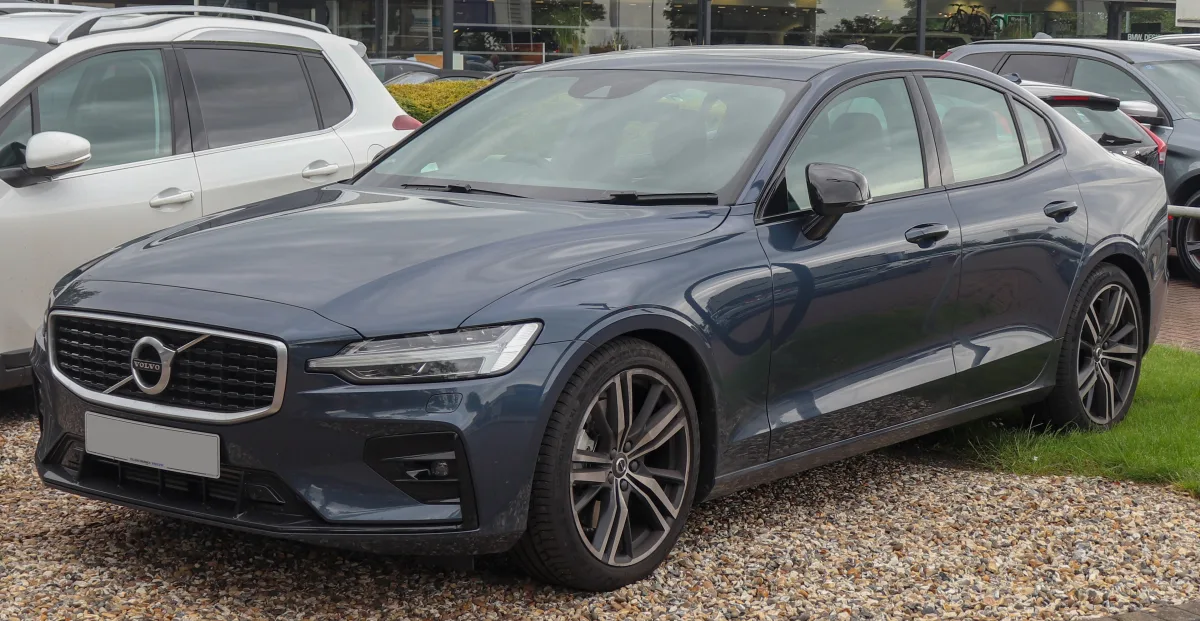
Volvo S60: II and III generations, engines and trims
The Volvo S60 is a Swedish mid-size sedan that has been in production since 2000. We're looking at the most popular second and third generations on the used market: how they differ, which engines and trims are most common, and what you need to check before buying.






S60 in brief
The S60 has been produced in three generations: I (2000–2009), II (2010–2018) and III (from 2018 to roughly 2024). It's a sedan, and the second and third generations have an estate version called the V60. The S60 is often chosen for its safety, comfortable seats, and quiet ride.
In Lithuania, you'll most commonly find second-generation S60s with diesel engines, some with all-wheel drive (AWD). The third generation is rarer and more expensive, and it was only offered with petrol and hybrid engines.
II and III generations — how they differ
The second generation (2010–2018) was built on the same platform as the first-generation XC60 and V60. It has a sportier look than its predecessor and comes standard with City Safety collision avoidance system. In 2013, refreshed models got a new front end with integrated headlights, and from 2014–2015, new four-cylinder Drive-E engines were fitted.
The third generation (2018–2024) is built on the SPA platform, like the XC90, S90, and second-generation XC60. It's larger, with a vertical Sensus infotainment screen and 'Thor's Hammer' shaped LED daytime running lights. This generation ditched diesel engines in favour of petrol, mild hybrids, and plug-in hybrids.
First-generation cars are now quite affordable, but they often have high mileage — they're only worth considering if you find an exceptionally well-maintained example.
Engines and gearboxes
In the second generation, you'll commonly find diesel engines like the D2 (1.6, around 115 hp), D3 and D4 (around 136–190 hp), and the five-cylinder D5 (2.4, around 205–215 hp). Petrol options include the T3, T4, T5, and the six-cylinder T6 (3.0, around 300 hp). From 2014–2015, the five-cylinder engines were gradually replaced by two-litre, four-cylinder Drive-E engines.
Second-generation gearboxes come as six-speed manuals and six-speed Geartronic automatics, with some smaller engine versions (e.g., D2) featuring a dual-clutch Powershift box. Drive-E engines are often paired with an eight-speed automatic.
In the third generation, you'll find two-litre, four-cylinder petrol engines like the T4 and T5 (later the B4 and B5 mild hybrids), along with plug-in hybrids T6 and T8 (around 340–455 hp). All are paired with an eight-speed automatic, with the most powerful being the Polestar Engineered version.
What to check when buying a used S60
In second-generation diesel cars, check the EGR valve, diesel particulate filter (DPF), and turbo. For the five-cylinder D5, look into the timing belt replacement history. In AWD versions, ask about the rear differential (Haldex) oil change.
The automatic gearbox should shift smoothly, without any jolts. In a Powershift box, juddering when moving off or driving slowly can indicate an expensive repair, so a test drive in the city is essential.
In third-generation plug-in hybrids, check if the charging system and electric drive work, and in the infotainment system, if the software has been updated. For all cars, inspect the ride based on service records and technical inspections, and the body for painted parts.


Trim levels
Names and equipment vary by market and year; we list the most common trims found in Europe.
Kinetic
Second generationBase trim for the second generation.
- Often — 16-inch alloy wheels
- Simpler interior trim
- Often — cloth seats
Momentum
Second and third generationThe most popular choice — a good balance of price and features.
- Light-alloy wheels
- Often — automatic climate control
- Often — parking sensors and cruise control
Summum
Second generationTop-of-the-range trim for the second generation.
- Often — leather interior
- Often — xenon headlights
- Often — electrically adjustable seats
R-Design
Second and third generationSporty-looking version.
- Sporty bumpers and alloy wheels
- Sport seats and steering wheel
- Often — a more upmarket sporty suspension
Inscription
Third generationThe most luxurious standard third-gen spec.
- Leather interior and wood trim
- More chrome details
- Often — a higher-class sound system
Plus / Ultimate
Third generation, roughly from 2022New naming convention for the latest S60s
- Plus — generously equipped base model
- Ultimate — most kit
- Often — different exterior trim levels (light or dark)
Comparison of third-generation trims
| Momentum | Inscription | R-Design | |
|---|---|---|---|
| Who it's for | Daily driving | Luxury and comfort | Sporty looks |
| Alloy wheels (most often) | 17–18 inch | 18–19 inch | 18–19 inch |
| Styling | Standard | More chrome details | Sport bumpers, dark accents |
| Interior | Standard trim | Leather, wood trim | Sport seats, dark interior |
| Price in the used market (relatively) | € | €€ | €€ |
For most buyers, the best choice is the Momentum or Inscription with the T4/B4 or T5/B5 engine. Opt for the R-Design for style, and the plug-in hybrid only if you can charge it regularly.
Pros
- High safety rating and plenty of driver assistance systems
- Comfortable seats and a quiet cabin
- All-wheel drive is an option
- Third generation — modern interior and plug-in hybrids
Cons
- The sedan's boot is less practical than the V60 estate
- Higher parts and maintenance costs than mainstream brands
- No diesel engines in the third generation
Frequently asked questions
Which S60 generation is best to buy used?
For budget-conscious buyers, the facelifted second generation (2014–2018) with the Drive-E engine. If you want a more modern interior and more driver assistance systems, go for the third generation, though it's pricier and lacks diesels.
Is it worth buying an S60 with the D5 engine?
The five-cylinder D5 is powerful and smooth, but it's an older design with a timing belt that needs replacing on schedule. Before buying, check if the belt has been changed and assess the condition of the EGR and DPF.
What's the difference between the S60 and V60?
The S60 is a sedan, while the V60 is an estate with the same engines and similar equipment. The V60 has a larger, more practical boot, making it often more convenient for families.
Updated 2026-10-09 · Trim levels and equipment vary by market and model year — check the equipment of the specific car. · Translated automatically


