 English
 Lietuvių
 Latviešu
 Eesti
 Polski
 Русский
 Українська
 Deutsch
 Nederlands
 Čeština
 Slovenčina
 Svenska
 Norsk
 Dansk
 Suomi


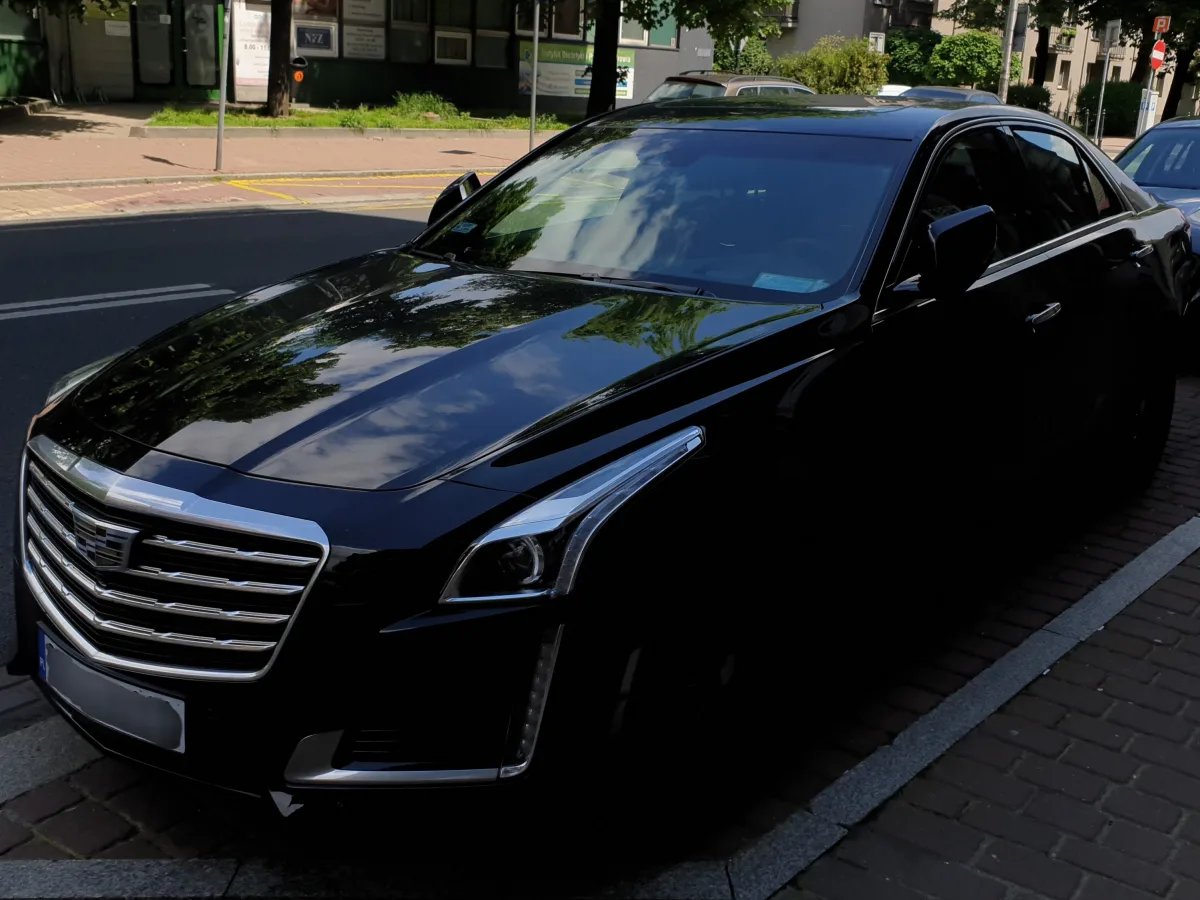
Cadillac CTS: three generations, engines and trims
The Cadillac CTS is a rear-wheel-drive midsize sedan that has competed with the BMW 5 Series and Mercedes-Benz E-Class since 2002. We look at how the three generations differ, which engines are found in the used market, and what to check before buying.






CTS in brief
The CTS was created as Cadillac's response to German luxury sedans: rear-wheel drive, a dynamic chassis, and a striking, angular design. Alongside the sedan, the second generation also offered an estate (Sport Wagon) and a coupe, with the most powerful versions badged CTS-V.
In Lithuania, the CTS often arrives from the USA, so the equipment and engine choices may differ from those in the European market. This is an unusual choice, so it's worth finding out in advance where you can get technical maintenance and parts.
Which generation to choose
First generation (2002–2007) – a simpler, yet already rear-wheel-drive sedan. Today, this is the most affordable option, but age and mileage require particularly thorough inspection.
Second generation (2007–2013) – a more spacious and modern-looking car with a higher-quality interior; during this period, an estate and a coupe were introduced. This is one of the most popular generations in the used market.
Third generation (from 2014) – a larger, lighter sedan with more modern multimedia and assistance systems. It is only produced as a sedan; the car costs more, but it also has more equipment.
Engines and transmissions
Second-generation CTSs usually come with 3.0 or 3.6-litre V6 petrol engines; the most powerful CTS-V is equipped with a 6.2-litre V8 engine with a supercharger. In the third generation, a 2.0-litre turbo petrol engine was introduced, along with the 3.6 V6 and the powerful Vsport and CTS-V versions.
Automatic transmissions are most commonly fitted (six or, in the third generation, eight speeds); some versions, particularly the CTS-V, also offered a manual option. Most cars are rear-wheel drive, but all-wheel-drive variants are also available.
What to check when buying a used CTS
Since most cars are imported, first check the history: accidents, painted parts, and mileage consistency. Inspect the suspension and stabiliser links – rear-wheel-drive dynamics cause these to wear out faster.
The gearbox should shift smoothly, without any jolts. Start the engine cold and listen for any unusual noises, check for oil and coolant leaks. The condition of the timing chain on earlier 3.6 V6 engines is a common concern for buyers, so ask for the service history.
Before buying, check the electronics: the infotainment system, climate control, parking sensors, window and seat controls. Spare parts might need to be sourced from abroad, so check their availability.


Trim levels
Names and equipment vary by market and year; we list the most common trims found in the US and Lithuania.
Luxury
Second and third generationComfort-focused version with a good standard spec.
- Single-tone interior and heated seats
- Often — electrically adjustable seats
- Often — navigation and a quality sound system
Performance
Second and third generationSportier version with larger alloy wheels
- Sportier drive
- Larger lightweight alloy wheels
- Often — additional design accents
Premium
Second and third generationTop-tier spec with the most comfort features
- Often — LED headlights and a panoramic roof
- Often — driver assistance systems and heated steering wheel
- Higher-class interior trim
Vsport
Third generationSporty version with a more powerful engine
- Turbocharged petrol V6 engine
- Sporty handling and brakes
- Unique wheels and sporty design
CTS-V
Second and third generationThe most powerful and expensive version.
- Powerful V8 with a supercharger
- Enhanced brakes and suspension
- Sport seats and distinctive trim
Trim comparison
| Luxury | Performance | Premium | CTS-V | |
|---|---|---|---|---|
| Who it's for | For comfort | For sportier driving | Most equipment | For extreme dynamics |
| Wheels (most common) | 17–18 inch | 18–19 inch | 18–19 inch | 19 col. |
| Interior | Spacious, comfortable | Sportier accents | Premium-grade interior | Sport seats |
| Engine | V6 petrol | V6 petrol | V6 petrol | V8 with supercharger |
| Price in the used market (relatively) | € | €€ | €€ | €€€ |
For most buyers, Luxury or Performance with a V6 engine will suffice. The CTS-V is only worth considering if you're prepared for significantly higher maintenance costs and fuel consumption.
Pros
- Dynamic rear-wheel drive
- Spacious and comfortable interior
- Distinctive styling among German rivals
- Wide range of engines – from V6 to powerful V8
Cons
- High fuel consumption with V6 and V8 engines
- Fewer parts and specialist services in Lithuania than for German models
- Most cars imported from the USA – history check is essential
Frequently asked questions
Which CTS generation is best to buy used?
For many buyers, the best choice is the second generation (2007–2013): it offers the widest range, and the car isn't overly expensive yet. If you want the latest tech, go for the third generation.
Is the CTS available as an estate?
Yes, the second-gen CTS was offered as an estate (Sport Wagon), but they're harder to find in Lithuania than the saloons.
Is the CTS economical?
No – these are large cars with powerful V6 or V8 engines, so fuel consumption is higher than that of diesel-powered German rivals. The third-gen 2.0-litre turbo engine is considered more economical.
Updated 2026-10-17 · Trim levels and equipment vary by market and model year — check the equipment of the specific car. · Translated automatically


