 English
 Lietuvių
 Latviešu
 Eesti
 Polski
 Русский
 Українська
 Deutsch
 Nederlands
 Čeština
 Slovenčina
 Svenska
 Norsk
 Dansk
 Suomi


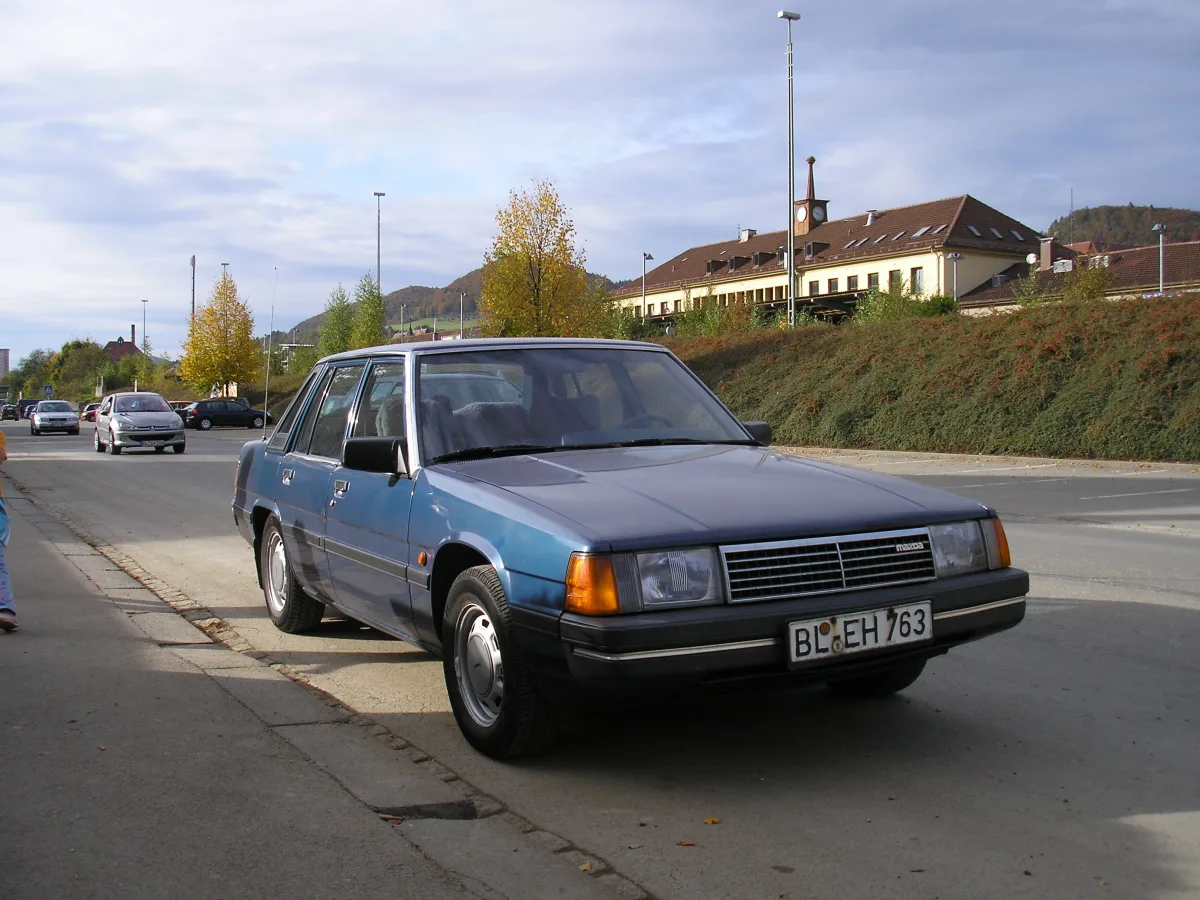
Mazda 929: generations, body styles and what to know when buying a used classic
The Mazda 929 is a rear-wheel-drive executive car produced from 1973 to 1997, with several generations and body styles. We look at the main versions, engines, and what to check if you're considering buying one of these older cars.






929 in brief
The Mazda 929 was a mid-size to large car designed for comfortable driving. Over more than two decades, the model underwent several generations and body styles—from sedans and coupes to estates.
Today, it's a rare car that typically appeals to classic car enthusiasts. Value depends on the generation, condition, and originality.
Generations and body styles
The 1970s-1980s 929 are classic cars with simpler technology and less electronics. They're particularly prized for their distinctive looks and straightforward construction.
The 1990s 929 are more comfortable and modern. They often come with larger engines and more features, but some design choices are more complex.
The range of body styles was wide: sedan, coupe with a hardtop roof, and estate. Before buying, check which specific generation and body style is on offer.
Engines and transmissions
Most commonly found are four-cylinder petrol engines (around 2.0 L), and in later generations, a larger 3.0 L V6. All 929s are rear-wheel drive.
The transmission is manual or automatic. Automatics are more common in later models, but their condition must be checked.
What to check when buying a used 929
The key thing to look out for is body corrosion. Check the sills, wings, wheel arches, boot floor, and rear pillars. Older cars are particularly susceptible to rust.
Check the engine condition, cooling system, and operation of the automatic gearbox. Some electrical components in older cars might be unreliable.
Since the 929 is a rare model, parts need to be sourced from specialist suppliers or clubs. Before buying, check the availability of parts.


Trim levels
Names and equipment vary by market and year; we list the most commonly encountered body styles.
929 sedanas
Different generationsThe most common body style.
- Four-door saloon
- Often — more powerful engines in later cars
- Practical for everyday use
929 hardtop ar kupė
Different generationsA sportier-looking variant.
- Often — a more elegant appearance
- A rarer body style
- More of a collector's item
929 universalas
Different generationsA rare estate body style.
- Larger boot
- Practical for families or cargo
- Harder to find
Body style comparison
| Sedanas | Kupė / hardtop | Universalas | |
|---|---|---|---|
| Who it suits | For daily use | For a distinctive look | For practicality |
| Rarity | Most common | Less common | Very rare |
| Price in the used market (relatively) | € | €€ | €€ |
Many buyers will appreciate a well-maintained sedan. A coupe or estate is worth considering only if you find a truly tidy and original example.
Pros
- Comfortable ride and spacious interior
- Rear-wheel drive
- Wide range of body styles
- Simple construction in older generations
Cons
- Risk of corrosion in older cars
- Limited choice of parts
- Some electrical components in older generations may be unreliable
Frequently asked questions
Which Mazda 929 generation is the best?
That depends on your needs: older generations are simpler, newer ones are more comfortable. The key thing is the condition of the specific car.
Does the Mazda 929 have a V6 engine?
A 3.0-litre V6 was offered in later generations, but not in all cars. You need to check the specific car's documents to confirm the engine.
Is the 929 suitable for daily use?
It can be, if the car is in good condition, but due to its age and rare parts, it is often kept as a classic or second car.
Updated 2026-10-21 · Trim levels and equipment vary by market and model year — check the equipment of the specific car. · Translated automatically


