 English
 Lietuvių
 Latviešu
 Eesti
 Polski
 Русский
 Українська
 Deutsch
 Nederlands
 Čeština
 Slovenčina
 Svenska
 Norsk
 Dansk
 Suomi


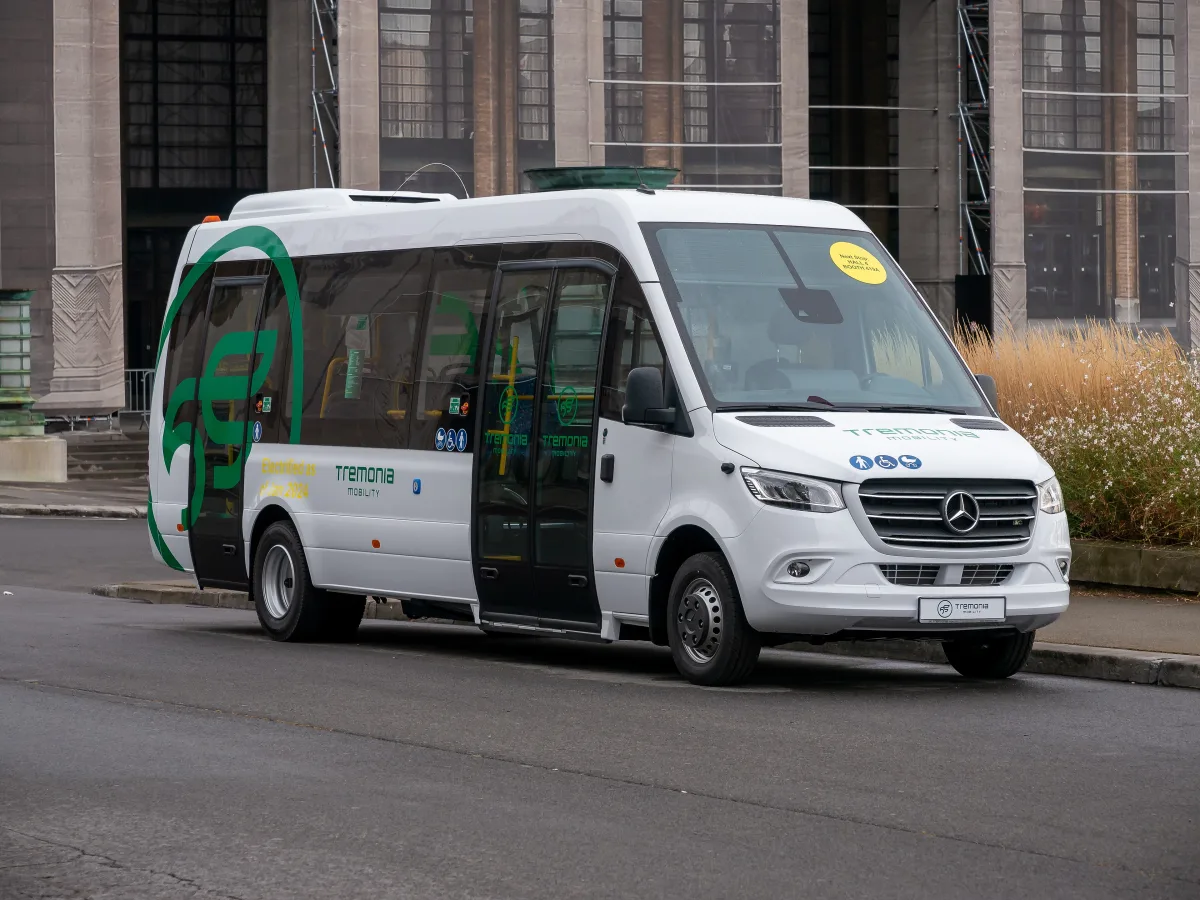
Mercedes-Benz Sprinter City: minibus, engines and what to check
Mercedes-Benz Sprinter City — produced since 2000, this city and suburban minibus is based on the Sprinter. We look at the versions, passenger capacity, engines, and what to check when buying used.






Sprinter City in brief
Mercedes-Benz Sprinter City — a city and suburban minibus based on the Sprinter van. It's used in public transport as a route or on-demand minibus, as well as for transporting students, people with disabilities, or company employees.
Key advantages include a compact size, easy manoeuvrability through narrow streets, relatively low running costs, and a low entry height.
Versions and series — what's the difference
The Sprinter City is offered in several series, which differ in length, weight, and passenger capacity (e.g., City 35, 45, 65, or 75). Larger series accommodate more passengers but are heavier and more expensive.
Some versions feature a low-floor or low-entry interior layout with a ramp for disabled passengers. Passenger capacity ranges from around ten to several dozen, including standing spaces.
During production, the model was updated alongside the Sprinter: improved engines, safety systems, and interior. Always check the exact version via the documentation.
Engines and transmissions
Mercedes-Benz Sprinter City vans are commonly powered by diesel engines: typically around 2-litre four-cylinder units and around 3-litre V6s. These engines meet various Euro standards — older ones Euro 3–5, newer ones Euro 6. Power ranges roughly from 100 to 190 hp.
Transmissions come in manual or automatic. Automatics are convenient for city driving but require regular maintenance.
What to check when buying a used Sprinter City
First off — service history and mileage records. These vans rack up the miles, so insist on a full service book, check documents, and gather info on repairs. Inspect the suspension, brakes, and tyres.
The engine and gearbox should run smoothly, without vibration or grinding. Check the AdBlue and SCR system, particulate filter, cooling system, and air conditioning. Test the doors and tailgate — these often fail due to constant use.
Inspect the interior: seats, storage compartments, floor coverings, and windows. Check the body for rust and repainted parts — especially the sills and doors. Match the numbers with the documents, and if it’s been rebuilt, check the rebuild documents.


Versions
Names and equipment vary by market and year; we list the most common European variants.
Sprinter City 35
2000–The compact version for fewer passengers.
- The base model
- Nimble in the city
- Cheaper on the used market
Sprinter City 45
2000–The mid-range version for versatile use.
- More space than 35
- Often — low entry
- Ideal for city and suburban routes
Sprinter City 65
2000–Larger version with more capacity
- More passengers
- Often — panel van
- Ideal for suburban routes
Sprinter City 75
2000–Top-of-the-range for higher volumes
- Maximum capacity
- Often — low-floor interior
- More expensive on the used market
Comparison of the main Sprinter City series
| City 35 | City 45 | City 65 / 75 | |
|---|---|---|---|
| Who it's for | For smaller volumes | For versatile use | For higher volumes |
| Size | Smallest | Average | Largest |
| Typically | Not necessarily | Often | Often |
| Price in the used market (relatively) | € | €€ | €€€ |
The City 35 is ideal for narrow streets and light traffic, the 45 is versatile, while the 65 or 75 handles heavy traffic with ease. The key is the service history and condition.
Pros
- Compact size and easy handling
- Quite low running costs
- Low entry price and potential for a bargain
- A wide range of spare parts and service options
Cons
- Limited passenger capacity compared to larger coaches
- AdBlue and SCR systems can be costly to maintain
- Many used minibuses have high mileage
Frequently asked questions
How many passengers does the Sprinter City accommodate?
It depends on the series and layout — roughly from ten to several dozen, including standing spaces. The exact number is specified in the technical documents.
Can someone with a B category license drive the Sprinter City?
It depends on the permitted weight and number of passengers: usually, you need a D1 or D category license to carry more than 8 passengers. Check the specific requirements according to current regulations.
Is it worth buying a used Sprinter City?
If there is a full service history and the minibus is mechanically sound — yes. High-mileage vehicles require more maintenance, so negotiate on the price.
Updated 2026-10-21 · Trim levels and equipment vary by market and model year — check the equipment of the specific car. · Translated automatically


