 English
 Lietuvių
 Latviešu
 Eesti
 Polski
 Русский
 Українська
 Deutsch
 Nederlands
 Čeština
 Slovenčina
 Svenska
 Norsk
 Dansk
 Suomi


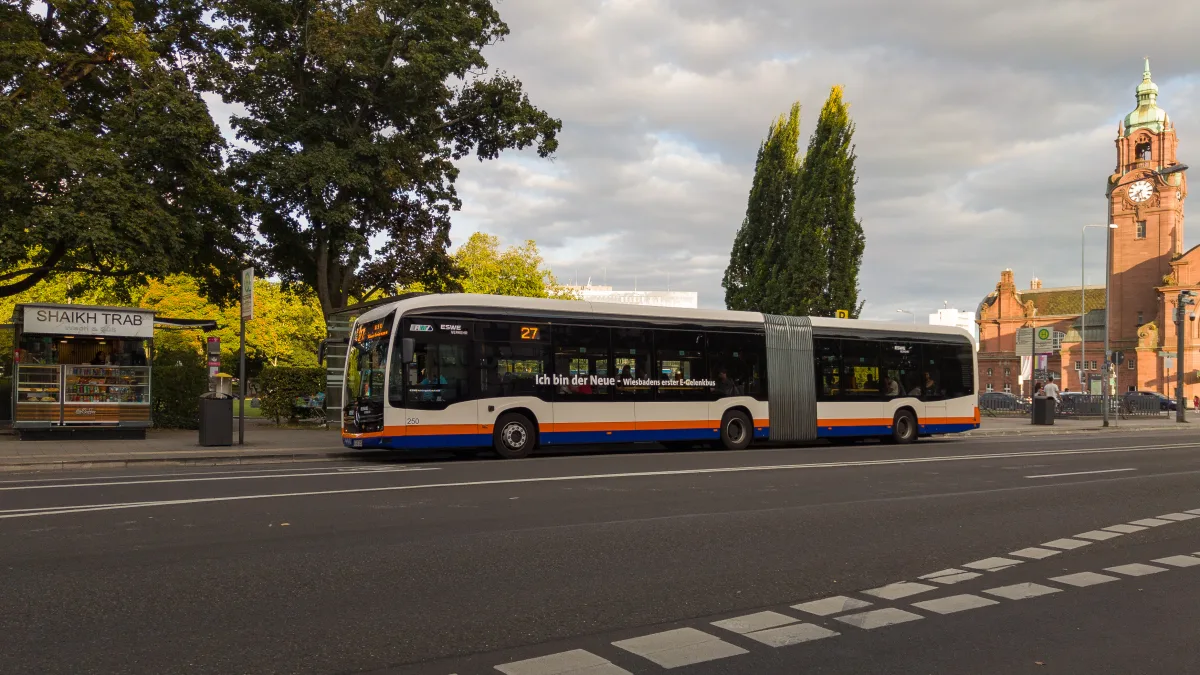
Mercedes-Benz eCitaro: electric city bus, versions and inspection
Mercedes-Benz eCitaro — a fully electric city bus, production of which began in 2018. We look at the standard and articulated (G) versions, battery technologies and what to check when buying a used electric bus.






eCitaro in brief
eCitaro is the electric version of the Citaro, designed for city and suburban routes. It has no tailpipe emissions and runs silently, making it ideal for city centres and low-emission zones.
The used market for eCitaro is still thin, as the model is relatively new. Most examples come from the fleets of early operators, either refreshed or sold after trial projects.
Versions and batteries
eCitaro is available as a single-decker (around 12 m) and an articulated eCitaro G. Later, a hydrogen fuel cell version with partial energy replenishment from the fuel cell was introduced.
Battery technology has improved over time, so buses from different years may have different generations of batteries. This is crucial to check before purchase, as it affects the range and residual value.
Transmission and charging
eCitaro is powered by electric motors mounted on the rear axle. Energy is supplied by battery packs located on the roof and/or at the rear.
Charging is usually via a cable connection, but some buses also support fast pantograph charging. Before buying, it's important to determine how the bus can be charged at your depot.
What to check when buying a used eCitaro
The most important thing is the condition of the batteries. Ask for an official diagnostic report with State of Health (SoH) data, cycle count, and valid warranty. Check if the warranty is transferable to the new owner.
Also, inspect the braking system, suspension, body condition, heating and climate control system, and software version. Ensure that the service center in your region is authorized to work with high-voltage equipment.


Versions and trims
Names and equipment vary by market and production year; we list the versions most commonly found in Europe.
eCitaro
from 2018The main electric version for city routes.
- Electric powertrain
- Often — roof-mounted batteries
- Often — low-floor design
eCitaro G
from 2018Saloon version with larger capacity.
- Saloon body style
- Greater passenger capacity
- Often — more batteries
eCitaro fuel cell
later yearsVersion with a hydrogen fuel cell for additional energy.
- Hydrogen fuel cell
- Greater range
- Specialist servicing
eCitaro su pantografu
depends on orderVersion with fast-charging equipment.
- Often — a roof-mounted pantograph
- Faster depot or station charging
- Often — dedicated charging points
eCitaro versions compared
| eCitaro | eCitaro G | eCitaro fuel cell | |
|---|---|---|---|
| Who it's for | For city routes | For high-traffic routes | For longer routes without recharging |
| Power source | Batteries | Batteries | Batteries and fuel cell |
| Price in the used market (relatively) | €€€ | €€€ | €€€ |
Most city operators will find the standard eCitaro sufficient, while high-capacity routes will benefit from the G version. The fuel cell version is only worthwhile if hydrogen is accessible.
Pros
- Zero emissions
- Quiet and comfortable ride
- Lower running costs than diesel
- Low-floor, passenger-friendly
Cons
- Requires charging infrastructure
- Battery condition determines value and usability
- Few options in the used market
Frequently asked questions
What range does the eCitaro offer?
Range depends on battery configuration, weather conditions, and route. Exact figures are provided by the manufacturer's information and the specific bus's diagnostics.
Does a used eCitaro come with a warranty?
It might, but the terms vary. Before purchasing, ask for documentation and confirm whether the warranty is transferable to the new owner.
How does the eCitaro differ from the diesel Citaro?
Technically, these are very different buses: the eCitaro has an electric drivetrain, batteries, and a high-voltage system. The diesel model has an internal combustion engine and a fuel tank.
Updated 2026-10-21 · Trim levels and equipment vary by market and model year — check the equipment of the specific car. · Translated automatically


