 English
 Lietuvių
 Latviešu
 Eesti
 Polski
 Русский
 Українська
 Deutsch
 Nederlands
 Čeština
 Slovenčina
 Svenska
 Norsk
 Dansk
 Suomi


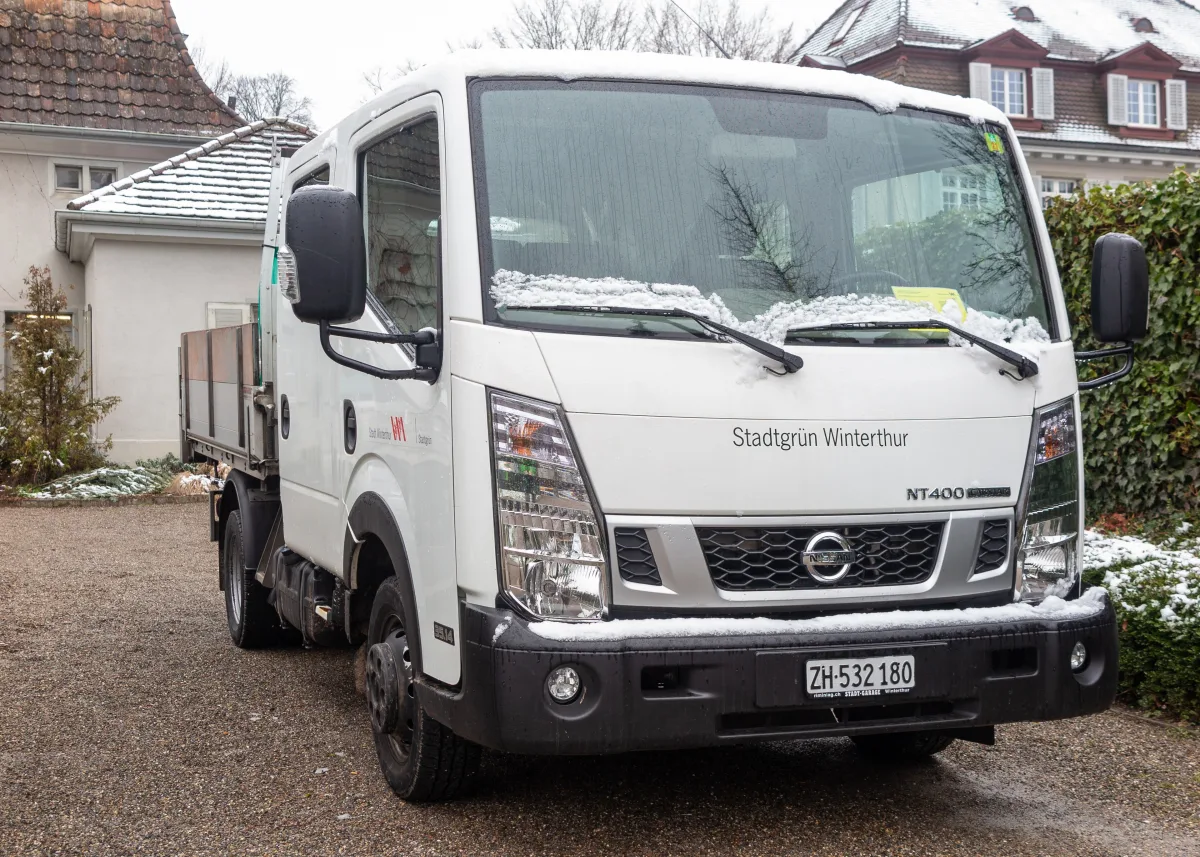
Nissan Cabstar: light commercial vehicle, engines and trims
Nissan Cabstar — a light commercial vehicle used as a flatbed, tipper, van or chassis cab. We look at generations, engines, body styles and what to check when buying a used Cabstar.






Cabstar in brief
Cabstar — Nissan's light commercial vehicle, produced since 1968. It's designed for municipal services, construction, deliveries and as a chassis for special bodies. In Europe, flatbed, tipper and van versions are popular.
In Lithuania, the Cabstar is often seen in tipper or flatbed form, used by municipal companies and builders.
Generations — what's the difference
Over more than half a century, the Cabstar has seen many generations. In the used market, you'll mostly find early 21st-century models and later, including the newer NT400 Cabstar, which boasts a more modern cab and chassis.
The NT400 Cabstar offers a wide range of body styles and wheelbases, several gross vehicle weights and a few cab versions. Older Cabstars are simpler and cheaper, but already have higher mileage.
Engines and gearboxes
Common diesel engines are from the dCi family, with various power outputs (several litres in capacity, roughly from 100 to 150 hp, depending on the version). The gearbox is almost always manual.
Newer models feature Euro 6-compliant engines with DPF and AdBlue systems, which need to be maintained according to the manufacturer's requirements.
What to check when buying a used Cabstar
Chassis and body: check the chassis, axle mounts, and signs of body corrosion, especially in the wheel arches and cabin floor. For a tipper — the body lift mechanism and hydraulics.
Inspect the diesel engine for injectors, turbo, DPF, and sump. The engine should start without prolonged cranking and not smoke.
Check the permitted gross weight and driver's license category (B for up to 3.5 t, C1 for heavier versions). Verify the mileage against service records.


Trim levels and versions
Trim levels and versions vary by market and year; below are the most common body versions.
Važiuoklė su kabina
All generationsDesigned for special bodies.
- Open rear section
- Suitable for a flatbed or tipper
- Body equipment is mounted separately
Borto platforma
All generationsVersatile choice for loads.
- Fold-down sides
- Wooden or metal platform
- Often — a canopy
Savivartis
All generationsFor construction and municipal services.
- Hydraulic cab lift
- Robust body
- It's crucial to check the hydraulics
Furgonas
All generationsEnclosed cargo section for deliveries
- Enclosed body
- Often — rear doors
- Suitable for light loads
Dviguba kabina
All generationsFor cargo and crew
- Two rows of seats
- Smaller platform
- Often — flatbed body
Cabstar versions compared
| Borto platforma | Savivartis | Furgonas | |
|---|---|---|---|
| Who it's for | General cargo van advice | For construction and municipal services | For deliveries |
| Body | Open platform | With hydraulics | Closed van |
| Engine | Diesel | Diesel | Diesel |
| Price in the used market (relatively) | Mid-range | High-end | Mid-range |
Most buyers opt for a flatbed with a diesel engine. A tipper is worth considering only after thoroughly checking the hydraulics, while a van is ideal for deliveries.
Pros
- Robust construction and a wide range of body options
- The cabin is more comfortable compared to older competitors
- Suitable for various work tasks
- Holds its value well
Cons
- Older cars — rust and high mileage
- DPF and AdBlue maintenance costs in newer diesel models
- Fewer options in the used market compared to popular vans
Frequently asked questions
What category is needed to drive a Cabstar?
It depends on the permitted weight: up to 3.5t is covered by a B category, heavier versions require a C1 or C category. Check the vehicle's permitted weight before buying.
How does the Cabstar differ from the NT400?
The NT400 Cabstar is the newer generation of Cabstar with a more modern cab and a wider range of body styles. The names are often used interchangeably.
Is the Cabstar suitable for municipal services?
Yes, it's widely used for municipal services due to its manoeuvrability, comfortable cab, and range of body styles.
Updated 2026-10-21 · Trim levels and equipment vary by market and model year — check the equipment of the specific car. · Translated automatically


