 English
 Lietuvių
 Latviešu
 Eesti
 Polski
 Русский
 Українська
 Deutsch
 Nederlands
 Čeština
 Slovenčina
 Svenska
 Norsk
 Dansk
 Suomi


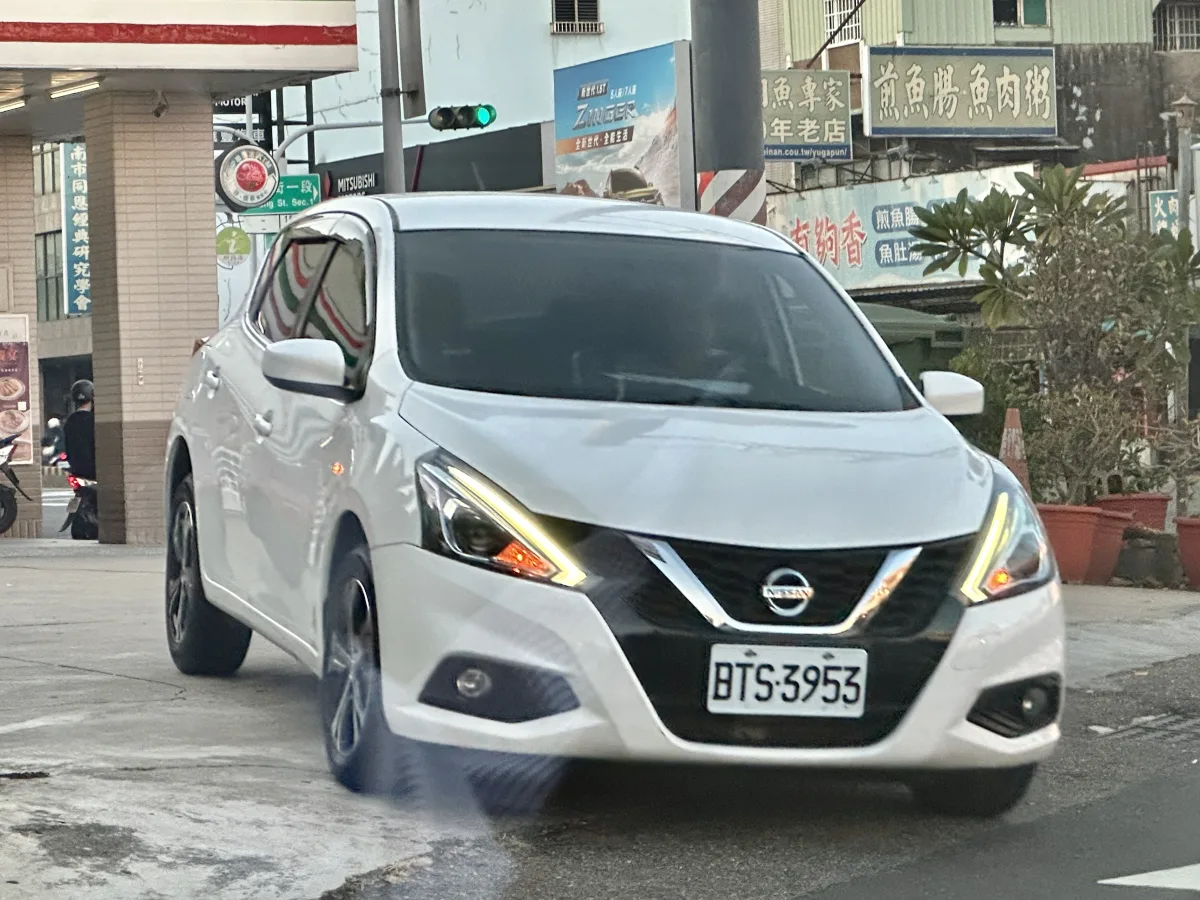
Nissan Tiida: engines, trims, and what to check
The Nissan Tiida is a compact hatchback and sedan produced between 2004 and 2012, praised for its spacious interior and straightforward technology. We look at the engines you'll find on the used market, how the trims differ, and what to check before buying.






Tiida in brief
The Tiida is a compact car available as a hatchback or sedan. Its main selling point is the spacious interior, especially in the rear, and a comfortable driving position, making it ideal for families and daily commuting.
The technology is simple, and maintenance is affordable. The Tiida is rarely seen in Lithuania as it was sold in limited numbers in Europe, so some cars have been imported from other markets.
Which version to choose
The Tiida was produced in one generation, with a facelift around 2008 that included new headlights, bumpers, and some interior details. The updated version looks more modern.
Since the car is quite old, the condition of the specific example and its service history are crucial. Some cars have been imported from other markets, so their equipment and engine options may vary.
Engines and transmissions
Petrol engines come in 1.6 and 1.8-litre sizes, while the diesel option is a 1.5-litre dCi. Power ranges from around 100 to 125 hp, depending on the version.
The transmission can be manual or automatic, including a continuously variable transmission (CVT). The manual is simpler and cheaper to repair, while the automatic is more convenient for city driving.
What to check when buying a used Tiida
First, check the car's provenance and history, as some have been imported from other markets. Inspect the body for rust, repainted parts, and uneven gaps.
The engine should start smoothly and run evenly. Check for oil leaks, ask about the timing belt or chain replacement. In the diesel variant, check the turbo and fuel system.
The automatic or CVT gearbox should shift smoothly. Test the air conditioning, electrical equipment, suspension, and brakes.


Trim levels
Names and equipment vary by market and year; we list the most common trims found in Europe.
Visia
2004–2012Base trim with minimal equipment.
- Often — steel wheels
- Simpler sound system
- Often — no air conditioning
Acenta
2004–2012Mid-range equipment level, the most popular choice.
- Often — air conditioning
- Often — alloy wheels
- Often — electric windows and mirrors
Tekna
2004–2012Top-tier equipment level with greater comfort.
- Often — climate control
- Often — leather upholstery or upgraded interior
- Often — more comprehensive comfort features
Comparing trims
| Visia | Acenta | Tekna | |
|---|---|---|---|
| Who it's for | The most budget-friendly option | For daily driving | More comfort |
| Alloy wheels (most often) | 15 inch | 15–16 inch | 16 inch |
| Engine | 1.6 petrol | 1.6 or 1.8 petrol, 1.5 dCi | 1.8 petrol, 1.5 dCi |
| Price in the used market (relatively) | Budget-friendly | Budget-friendly | Mid-range |
For most buyers, the Acenta trim with the 1.6 petrol engine will suffice. Tekna is worth choosing for the added comfort.
Pros
- Spacious interior, especially in the rear
- Simple technology and affordable maintenance
- Comfortable seating position
- Adequately economical engine choices
Cons
- Old car, condition depends on the previous owner
- Rare in Lithuania, parts might take longer to find
- Basic trim and modest performance
Frequently asked questions
Is the Nissan Tiida suitable for a family?
Yes. Thanks to its spacious interior and simple technology, it's often chosen as an affordable family car.
Which Tiida engine is the best?
Most will be fine with the 1.6 petrol engine. For those who do a lot of driving, the 1.5 dCi diesel is a good choice, but it needs to be thoroughly checked.
Is the Tiida reliable?
The technology is simple and usually straightforward, but due to its age, the maintenance history of the specific example is crucial.
Updated 2026-10-17 · Trim levels and equipment vary by market and model year — check the equipment of the specific car. · Translated automatically


