 English
 Lietuvių
 Latviešu
 Eesti
 Polski
 Русский
 Українська
 Deutsch
 Nederlands
 Čeština
 Slovenčina
 Svenska
 Norsk
 Dansk
 Suomi


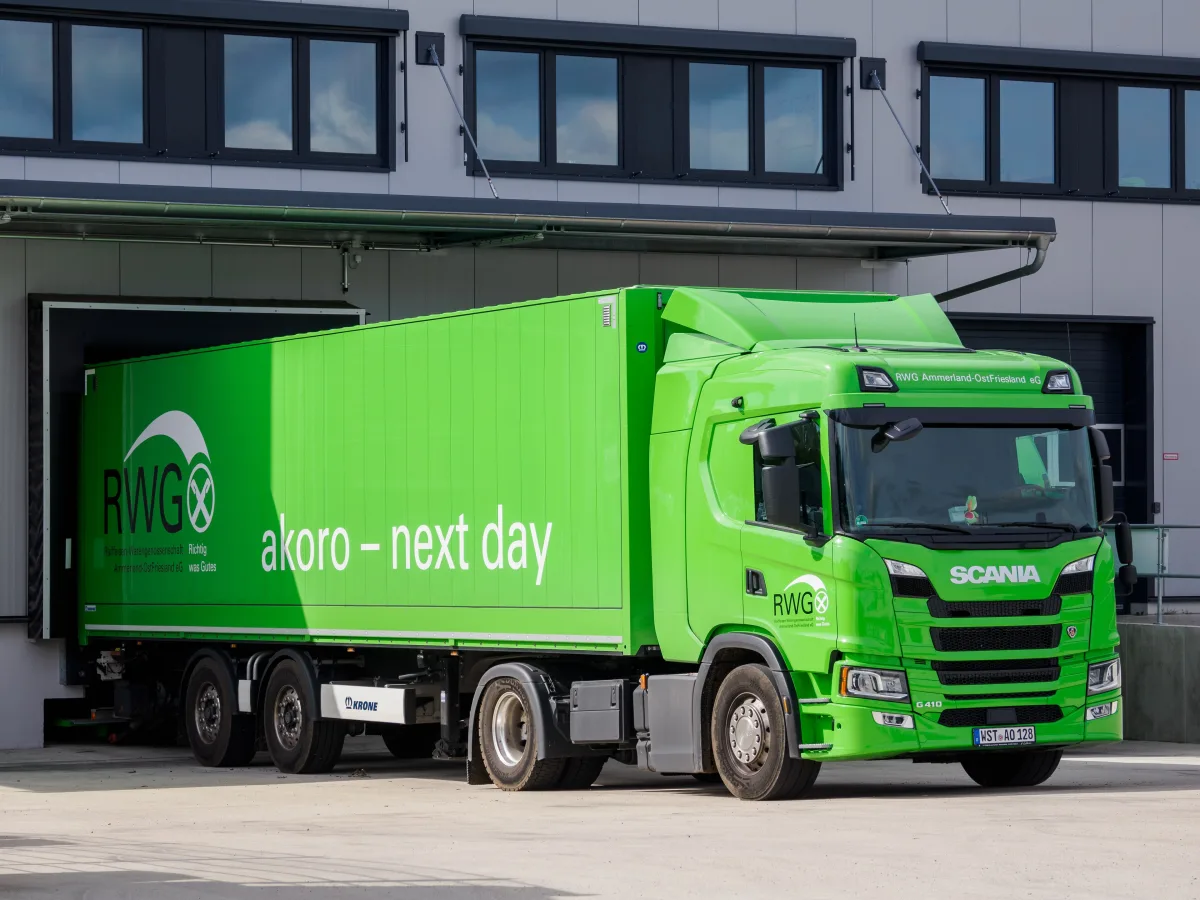
Scania G series: cabs, engines and what to check when buying
The Scania G series is a mid-height cab truck that sits between the low P cab and the high R cab. We look at how the previous and new generations of the G differ, which engines and Euro classes are most common, where these trucks are typically used, and what to check before buying a used one.






The Scania G series in brief
Scania cabs are designated by letters: P is the lowest, G is mid-height, R is high, and in the new generation, there's also S with flat floors. The G cab is mounted higher than the P, so there's more space inside, and sitting higher gives a better view of the road. At the same time, it's lower and lighter than the R, making it easier to climb into, especially when you have to stop frequently.
Thanks to this compromise, the G series is often chosen for regional haulage, where the driver returns home every few days, as well as for construction, logging, tanker, and crane work. For long-haul trips, where the driver lives in the cab for weeks, the R or S cab is more commonly chosen.
Previous and new generation — what's the difference
The previous generation G series (known as the PGR generation) appeared at the end of the 2000s and was produced until around 2016–2017. It features reliable, simpler electronics, and there are still plenty of these on the used market, although most have high mileage and many engine hours.
The latest generation of Scania was introduced in 2016, with the P and G cabs making their debut around 2017. The cab is more spacious, offers better visibility, improved aerodynamics and safety, and the manufacturer claims lower fuel consumption.
When buying used, you often choose between the latest models of the previous Euro 6 generation and the early models of the new generation of trucks. The new generation is more expensive but more comfortable for the driver and usually more economical.
Engines, gearboxes and axle configurations
In the G series, you'll commonly find 9-litre five-cylinder (around 280–360 hp) and 13-litre six-cylinder (around 370–500 hp) diesel engines. The power is indicated in the name: for example, G 410 means approximately a 410 hp engine. Since 2021, the new generation offers a refreshed 13-litre Super engine, which the manufacturer presents as more economical.
Older trucks are usually Euro 3–Euro 5 class, while from 2013–2014, new trucks registered in Europe are Euro 6. Euro 6 engines require AdBlue fluid and an SCR catalyst, while some Euro 5 engines can operate without AdBlue. It's worth verifying the Euro class in the documents, as it affects road taxes and the ability to enter certain cities' environmental zones.
Most trucks come with the automated Opticruise gearbox, while older models may still have manual ones. Common axle configurations include: 4x2 for regional haulage, 6x2 and 6x4 chassis for heavier loads, 8x4 for tippers, concrete mixers and cranes, and less frequently, all-wheel drive for off-road work.
What to check when buying a used Scania G
Mileage doesn't always show true wear and tear, so ask for a diagnostic report: engine hours, idle time, and average fuel consumption can reveal a lot about how the truck has been used. Mileage and hours should match the service history and tachograph data. Check the tachograph type and calibration date — for international journeys within the EU, a new-generation smart tachograph is required, so an older one might need replacing.
Test the Opticruise gearbox: gears should shift without long pauses or jolts, and the clutch should not slip when moving with a load. If a retarder (hydraulic brake) is fitted, check that it brakes evenly and that there is no oil leakage.
On the chassis, inspect the frame: cracks, weld points, and severe corrosion are particularly common in construction and logging trucks. In Euro 6 vehicles, check the AdBlue system and NOx sensors, ensure that an AdBlue emulator is not installed — it is illegal and can cause issues during technical inspections.


Cab and trim
Scania trucks are custom-ordered, so the equipment varies widely; we list the most commonly found G series versions in Europe.
G dienos kabina
Both generationsShort cab without a sleeper for work where the driver returns home daily.
- More space for the cab or crane
- Often — self-loaders, concrete mixers, and cranes
- Lighter cab — greater payload
G kabina su miegamąja vieta
Both generationsThe most popular option for regional haulage.
- Sleeper behind the seats
- Often — standard or high roof
- Often — additional heater and cooler
G vilkikas 4x2
Both generationsThe most common variant in the used market for towing trailers.
- Mostly a 13-litre engine, around 400–450 hp
- Automated Opticruise gearbox
- Often — retarder
G važiuoklė 6x4 / 8x4
Both generationsFor heavy construction and forestry work.
- Sturdier suspension and frame
- Often — self-loader, concrete mixer, or forestry truck with a crane
- Often — rear axle locking
Naujosios kartos G
From 2017More comfortable, modern, and usually more economical than the previous generation.
- Roomier cab and better visibility
- Often — LED headlights and adaptive cruise control
- From 2021 — 13-litre Super engine
Scania cab comparison
| P kabina | G kabina | R kabina | |
|---|---|---|---|
| Who it's for | For urban distribution and construction | For regional haulage and specialist tasks | For long-distance runs |
| Cab height | Lowest, easiest to climb into | Mid-range | Tall, most spacious |
| Most common engines | 9-litre, occasionally 13-litre | 9-litre and 13-litre | 13-litre, occasionally V8 |
| Sleeping area | Often none or very small | Often there are | Almost always, spacious |
| Price in the used market (relatively) | € | €€ | €€€ |
G cab — a good choice if you need more comfort than a P, but don't need the pricier and heavier R. For regional hauls, a G tractor with a 13-litre engine usually does the trick.
Pros
- A compromise between cabin height and comfort
- Reliable 9-litre and 13-litre engines
- A wide range of parts and service options
- Suitable for both hauling and specialist jobs
Cons
- For long-haul trips, the cabin might be too small
- Construction and forestry trucks often get quite beaten up
- Repairs to the Euro 6 AdBlue system can be pricey
Frequently asked questions
How does the Scania G differ from the R?
The G cab is lower and lighter, making it easier to climb into, and the truck can carry a bit more cargo. The R cab is taller and roomier, making it better suited for long-haul trips where the driver spends extended periods in the cab.
Which engine to choose — 9-litre or 13-litre?
The 9-litre engine often suffices for lighter tasks and regional hauls. For towing with a full trailer and heavy construction work, many opt for the 13-litre engine — it's less strained and often lasts longer.
Is it worth buying a Euro 5 Scania G?
If the truck will be used in Lithuania and for shorter routes, Euro 5 might be the more economical choice. However, Euro 6 trucks often face lower road taxes and fewer restrictions in cities, making them more practical for international hauls.
Updated 2026-10-09 · Trim levels and equipment vary by market and model year — check the equipment of the specific car. · Translated automatically


