 English
 Lietuvių
 Latviešu
 Eesti
 Polski
 Русский
 Українська
 Deutsch
 Nederlands
 Čeština
 Slovenčina
 Svenska
 Norsk
 Dansk
 Suomi


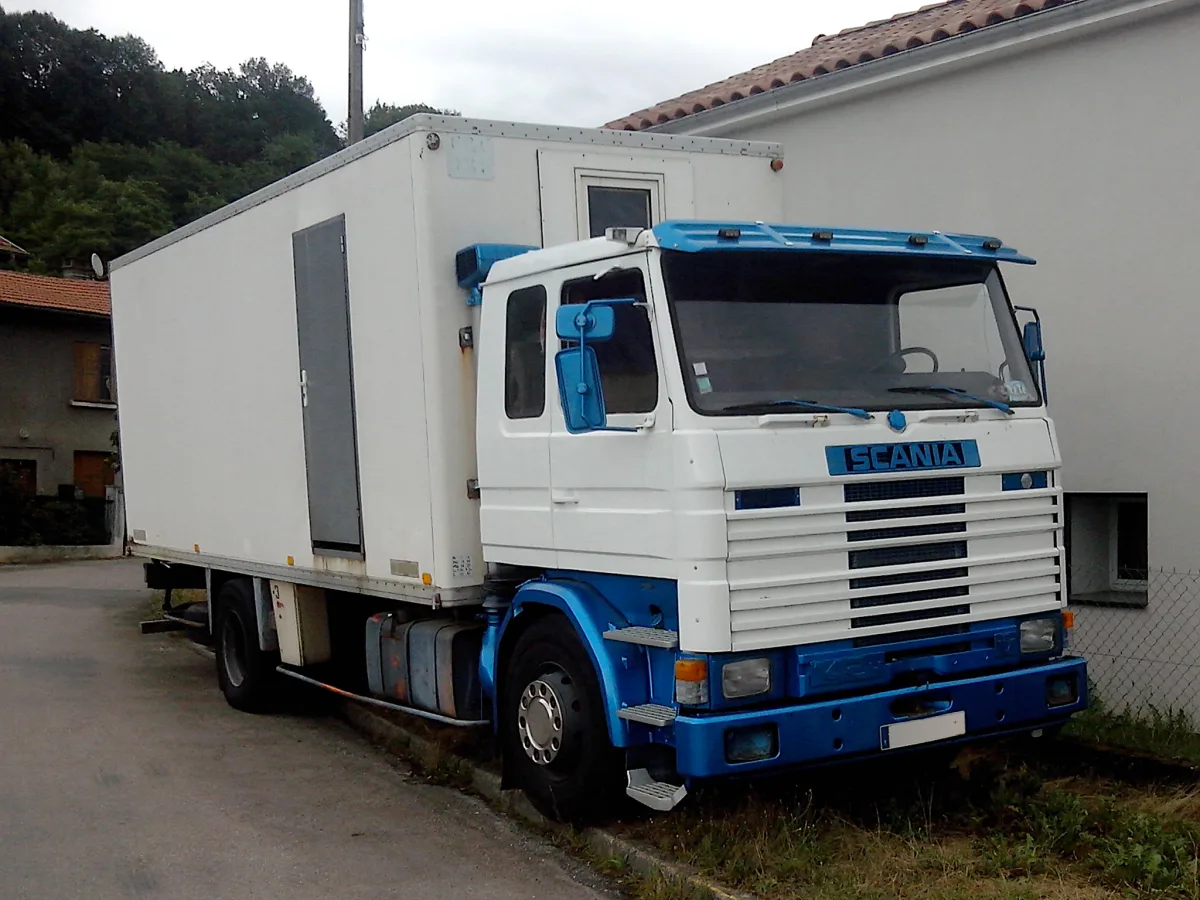
Scania 2 Series: models, engines, and what to check
The Scania 2 Series (1980–1988) were heavy-duty trucks whose models 82, 92, 112, and 142 set the standard for longevity. We look at their versions, engines, and what to check when buying a used Scania 2 Series truck.






2 Series at a glance
The Scania 2 Series comprised several models, with the numbers in their names indicating engine capacity in litres: 82 — around 8 litres, 92 — around 9 litres, 112 — around 11 litres, 142 — around 14 litres. This makes it easy to identify the engine class and approximate power.
Today, the 2 Series Scania are classic trucks favoured by collectors, heavy-duty operators, and those who appreciate simple, robust mechanics. When buying, the condition of the specific example is key.
Models — what sets them apart
Smaller models (82 and 92) are suited to lighter work, distribution, and regional runs, while the 112 and 142 are for long-haul and heavy loads. The 142 was the top model with a V8 engine.
The letter after the number (e.g., M or H) indicates cabin height or version. Taller cabs are often chosen for long-haul runs as they offer more space and a more comfortable bed.
In 1988, the 2 Series was replaced by the 3 Series, so all these trucks are now vintage. Their emission class predates Euro norms, making them incompatible with modern low-emission zones.
Engines and gearboxes
2nd generation engines are turbocharged diesels: inline sixes in the smaller models, and a roughly 14-litre V8 in the 142. Power ranges from around 200 to well over 400 hp.
Gearboxes are usually manual, often with an overdrive. Test them on the move: the condition of the synchros and dog clutches is crucial due to the heavy loads.
Scania engines are known for their durability, provided they've been well-maintained. Before buying, ask about the oil change history, cooling system condition, and whether the engine has ever overheated.
What to check when buying a used 2nd generation Scania
First up, check the chassis and cab. Older trucks often suffer from corrosion around the cab corners, sills, wings, and chassis crossmembers, and the cab lift system should operate smoothly.
Start the engine cold and assess the smoke, oil pressure, and turbo noise. Check the air system and brakes, as repairs can be expensive.
Check the mileage against the records, and ensure the vehicle meets the technical inspection requirements in the documents. If you're buying for a collection, originality is key.


Models and versions
The 2nd generation was produced in several models; we list the most common.
Scania 82
1980–1988The smaller model for regional runs and distribution.
- Around an 8-litre engine
- Often comes with a day cab
- The more affordable option
Scania 92
1980–1988The mid-range version for various tasks.
- Around 9-litre engine
- Often a pick-up or commercial vehicle
- Popular among used cars
Scania 112
1980–1988A common choice for long-distance journeys
- Around 11-litre engine
- Often a crew cab
- Comfortable for long trips
Scania 142
1980–1988Top-tier model with a V8 engine
- Around 14-litre V8 engine
- High power output
- More expensive to maintain
Originali klasikinė būklė
Any versionCars that have retained their factory appearance
- Original parts
- Often a collector's item
- Not suitable for towing
Comparing second-generation models
| Scania 82 | Scania 92 | Scania 112 | Scania 142 | |
|---|---|---|---|---|
| Who it's for | For distribution | For regional journeys | For long-distance journeys | For heavy loads |
| Engine capacity | Around 8 litres | Around 9 litres | Around 11 litres | Around 14 litres V8 |
| Cab | Day cab | Day or sleeper cab | Often sleeper | Often sleeper |
| Price in the used market (relatively) | € | € | €€ | €€€ |
Most often, the best choice is a model that suits your required payload and type of journey, with a solid frame and a checked engine. For collectors, originality and condition are key.
Pros
- Reliable, hard-wearing construction
- Reliable, durable engines
- Classic, sought-after truck
- Parts and used assemblies supply is better than for rarer models
Cons
- An old car means corrosion and wear are common
- High fuel consumption
- Emissions class restricts work in low-emission zones
Frequently asked questions
What do the numbers in the Scania 2 series name mean?
The number indicates the engine capacity in litres: 82 is around 8 litres, 92 is around 9 litres, 112 is around 11 litres, 142 is around 14 litres. This helps quickly assess the engine class.
Is it still possible to use a 2nd generation Scania?
Yes, but due to its age, its emission class doesn't meet the requirements of modern low-emission zones. Check where it can be operated and whether it meets the technical inspection requirements.
How does the 2nd generation differ from the 3rd generation?
The 3rd generation was introduced in 1988 and features a more modern cab, improved engines, and more equipment. The 2nd generation is simpler and older, so it's often bought as a classic or a cheap workhorse.
Updated 2026-10-21 · Trim levels and equipment vary by market and model year — check the equipment of the specific car. · Translated automatically


