 English
 Lietuvių
 Latviešu
 Eesti
 Polski
 Русский
 Українська
 Deutsch
 Nederlands
 Čeština
 Slovenčina
 Svenska
 Norsk
 Dansk
 Suomi


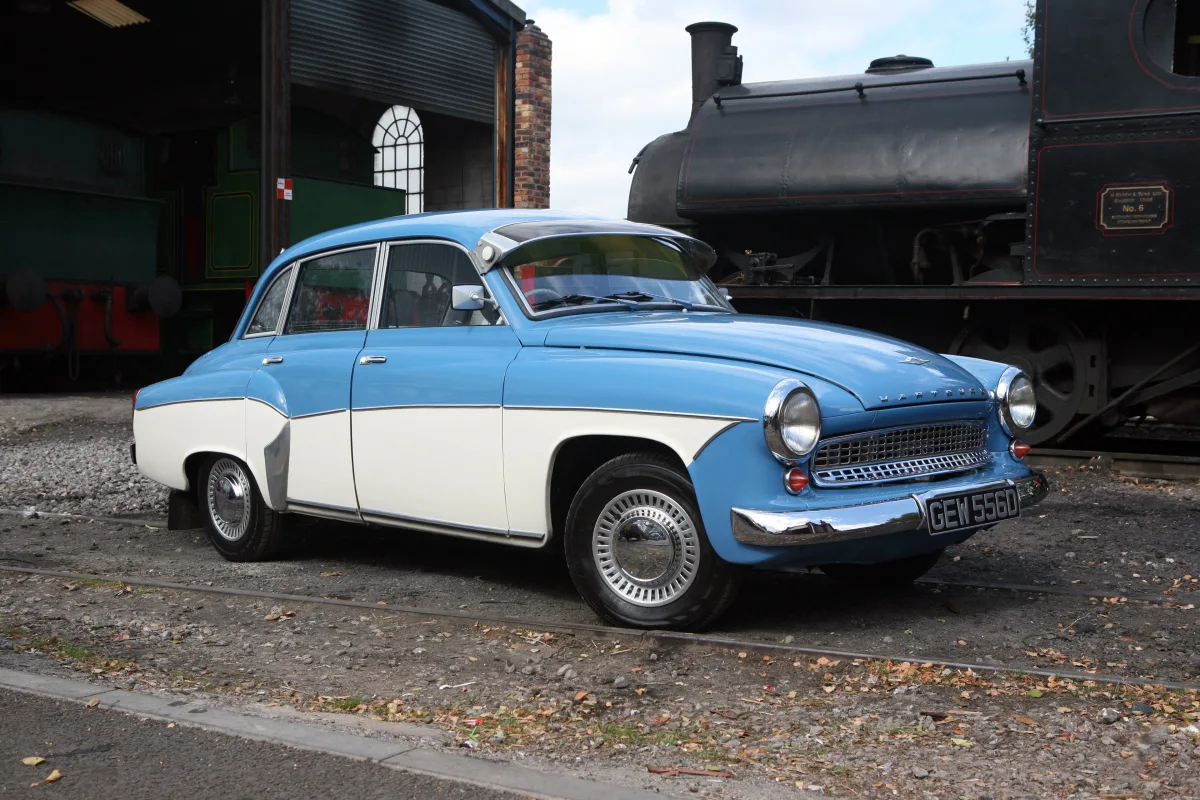
Wartburg 312: East German classic, engine and buying guide
The Wartburg 312 is a car from East Germany's Eisenach factory, produced between 1965 and 1967 as a bridge between the 311 and 353 models. We'll explore what makes it special, its technology, and what to check when buying this classic car.






Wartburg 312 in brief
The Wartburg 312 was an interim model between the Wartburg 311 and 353. Produced from 1965 to 1967, its chassis was already designed for the upcoming 353 model. Therefore, the 312 can be considered a transitional car.
The manufacturer was East Germany's VEB Automobilwerk Eisenach. It was a practical, sturdy car that retro enthusiasts appreciate today.
How the 312 differs from the 311
The 311 was produced until 1965 as a sedan, estate, pickup, coupé, and two-seater roadster, while the 312 became the pioneer of a new generation. Its chassis is closer to the later 353, although its appearance still resembles the 311.
Due to its short production run, the 312 is rarer than some other Wartburg models. Before buying, check that the car is indeed a 312, as it can look similar to a 311.
Engine and transmission
The Wartburg featured a three-cylinder, two-stroke engine with a capacity of around 1.0 litre. It's a simple design that typically requires oil mixed with fuel, so it's crucial to follow the manufacturer's recommended ratio.
The gearbox is manual. The driving characteristics are modest by today's standards, and the two-stroke engine is known for its distinctive sound and smoke.
What to check when buying a Wartburg 312
First off — rust: sills, floors, wings, and door bottoms. Check that the body doesn't have deep rust damage and that any repairs weren't shoddily done.
Engine condition: two-stroke engine pull, exhaust smoke color, oil leaks. Look into the availability of original parts and suitable replacements through clubs.


Trim levels
This model doesn't feature a modern trim system; therefore, we'll describe it generally.
Kėbulų variantai
1965–1967Most commonly found are the sedan and estate (Camping), as well as sporty and rally examples.
- Two-stroke three-cylinder engine
- Manual gearbox
- Retro interior
Body comparison
| Sedanas | Universalas (Camping) | |
|---|---|---|
| Who it's for | Classic cruising | For those traveling with lots of luggage |
| Practicality | Four doors | More cargo space |
| Rarity | Average | More spacious |
| Price in the used market (relatively) | Mid-range | High-end |
The Sedan is great for budding collectors, while the Camping is ideal if cargo space and rarity are key.
Pros
- Simple design
- Recognizable retro styling
- Distinctive history of East German cars
- Active enthusiast community
Cons
- Two-stroke engine requires oil mixing
- Risk of corrosion
- Finding parts can be challenging
Frequently asked questions
How does the Wartburg 312 differ from the 311?
The 312 was an interim model between the 311 and 353, with its chassis designed for the upcoming 353 model.
What engine does the 312 have?
A two-stroke, three-cylinder unit with around 1.0-litre capacity. Typically, it runs on a fuel and oil mixture.
Is the Wartburg 312 suitable for daily use?
Today, it's mostly used as a hobby or show car due to its outdated safety features and parts availability.
Updated 2026-10-21 · Trim levels and equipment vary by market and model year — check the equipment of the specific car. · Translated automatically


