 English
 Lietuvių
 Latviešu
 Eesti
 Polski
 Русский
 Українська
 Deutsch
 Nederlands
 Čeština
 Slovenčina
 Svenska
 Norsk
 Dansk
 Suomi


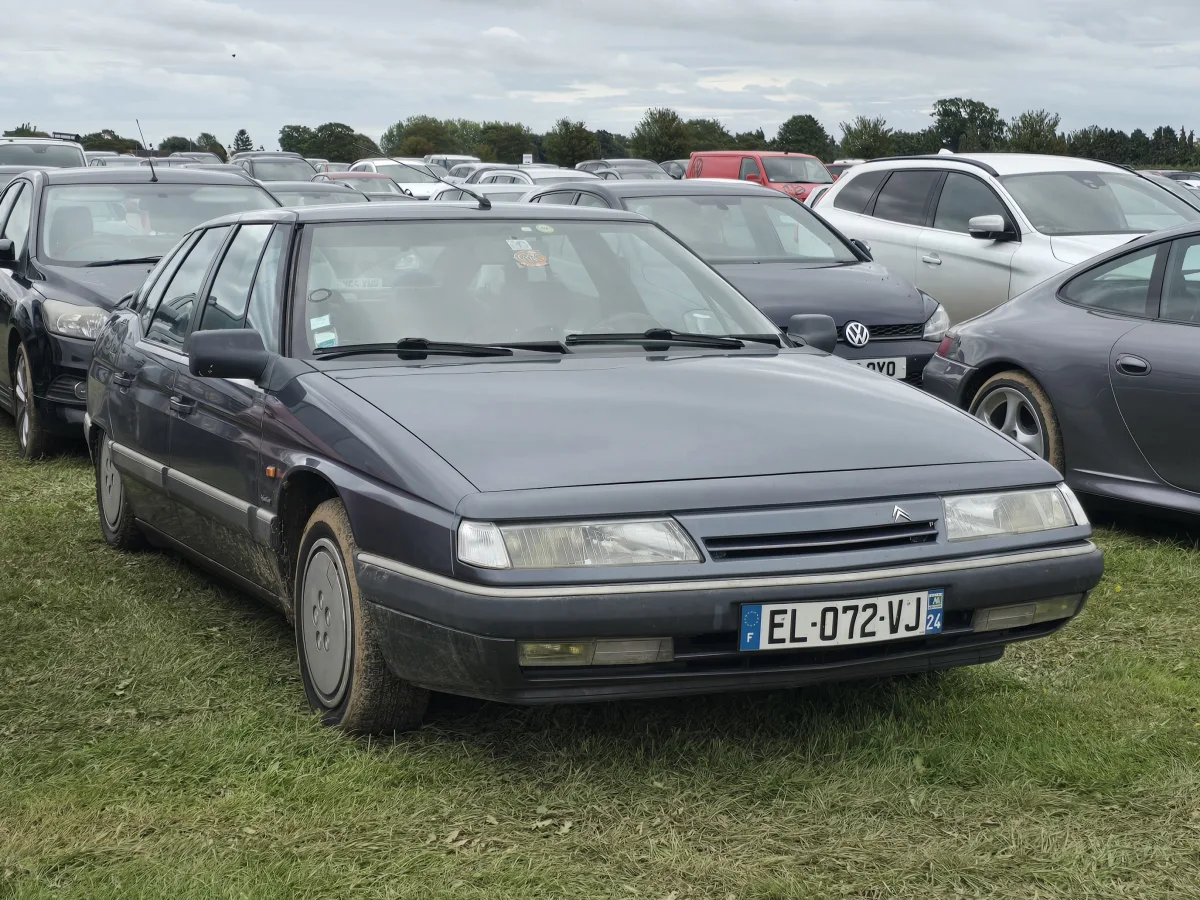
Citroën XM: hydraulic suspension, engines and trims
Citroën XM (1989–2000) — a large front-wheel-drive car with hydropneumatic suspension and a distinctive design. We look at the generations, engines, and what to check before buying such a complex car.






XM in brief
The XM was Citroën's flagship, offered with a hatchback body and estate (Break). It stands out with its hydropneumatic suspension, ensuring a very smooth ride, and a striking design.
This is a car for those who value comfort and are prepared for specialist maintenance. The technology is complex, and repairs require experts.
Which version to choose
The XM had two phases: the early one (1989–1994) and the updated version (from 1994). The updated version features an improved suspension system (Hydractive 2), a revised front end, and a more modern interior.
If you're after a more reliable option, it's better to choose a later model, although the key factor is the condition of the specific suspension and electrical systems.
Engines and gearboxes
Petrol engines — 2.0 l (including the turbo version) and 3.0 l V6. Diesels — 2.1 l TD and 2.5 l TD.
Gearboxes — manual or automatic. The automatic is usually paired with more powerful engines.
What to check when buying a used XM
Firstly, the hydraulic suspension: the car should not have sagged significantly, there should be no leaks in the hydraulic fluid, and the body height adjustment should work. Check if the spheres have been replaced.
Also, check the electrical equipment (there's plenty of electronics), the air conditioning, the body for rust, and the history of seatbelt replacements. It's worth inviting a specialist for an inspection before buying.


Trim levels
Names and equipment vary by market and year; we list the most commonly found trim levels in Europe.
Bazinė
1989–2000The more basic version with a 2.0-litre engine.
- Often, the 2.0-litre engine
- More basic interior trim
- Often — basic alloy wheels
VSX
1989–2000Better-equipped version for daily use.
- Often — electric windows
- Often — central locking
- Often — air conditioning
Exclusive
1989–2000The top standard trim level.
- Often — leather upholstery
- Often — automatic climate control
- Often — light alloy wheels
V6
1989–2000More powerful version with 3.0 l V6 engine.
- 3.0 l V6 engine
- Often — automatic transmission
- Often — more comprehensive equipment
Comparing versions
| Bazinė | Exclusive | V6 | |
|---|---|---|---|
| Who it suits | Best for comfort on a budget | Maxed out on equipment | Power and comfort |
| Engine | Mostly 2.0 l | Often 2.0 turbo or V6 | 3.0 l V6 |
| Interior | More basic | More luxurious | More luxurious |
| Price in the used market (relatively) | € | €€ | €€ |
The XM is for those who value comfort and are prepared for specialist maintenance. Opt for examples with a checked suspension and electrical systems.
Pros
- Very comfortable ride
- Adjustable ride height
- Distinctive design
- Spacious interior
Cons
- Complex technology and maintenance
- Lots of electronics means lots of potential faults
- Rarer parts and a shortage of qualified mechanics
Frequently asked questions
Is the XM reliable?
The technology is complex, so it depends on the maintenance. A well-maintained XM can last a long time.
What are the differences between XM generations?
The refreshed XM (from 1994 onwards) received an improved suspension, styling, and interior.
Is the XM worth buying?
If you're after comfort and are prepared for specialist maintenance — yes. Get it checked by a specialist before buying.
Updated 2026-10-09 · Trim levels and equipment vary by market and model year — check the equipment of the specific car. · Translated automatically


