 English
 Lietuvių
 Latviešu
 Eesti
 Polski
 Русский
 Українська
 Deutsch
 Nederlands
 Čeština
 Slovenčina
 Svenska
 Norsk
 Dansk
 Suomi


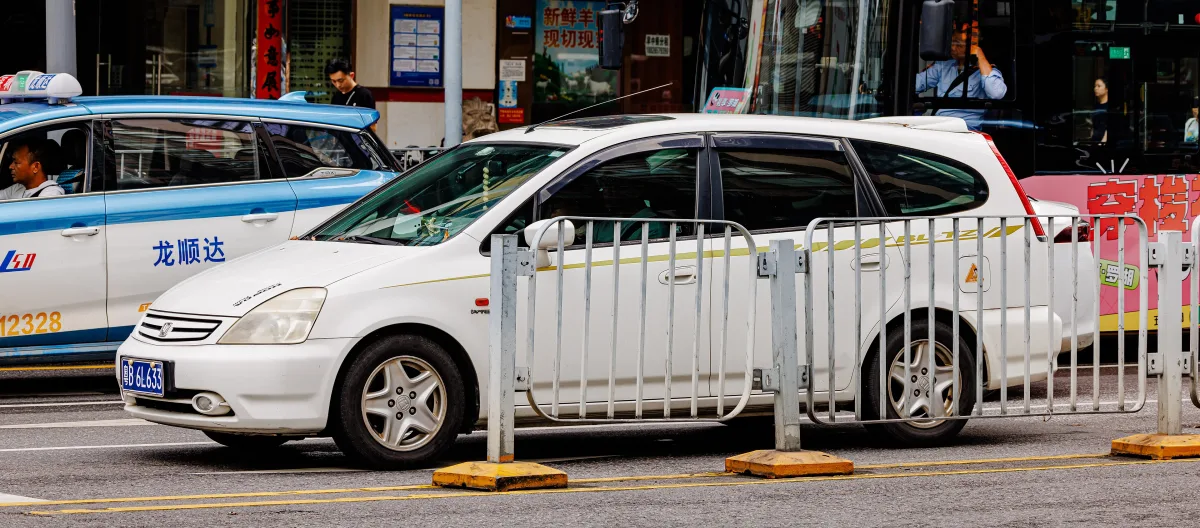
Honda Stream: seven-seater MPV, engines and trims
Honda Stream — a compact seven-seater MPV. The first generation was sold in Europe (around 2001–2006), while the second, produced until 2014, was mainly aimed at Japanese and other Asian market buyers. We look at how the generations differ, which engines are offered and what to check before buying.






Stream in brief
The Stream stood out with its low, sporty body and, at the same time, seven seating positions. Compared to taller MPVs, it drives more stably and looks more dynamic.
This is a practical family car, where the third row is mainly for kids. It wasn't a mass-market model in Europe, so there aren't many used ones around.
Generations — how they differ
The first generation was sold in Europe: a low, wide body, clear sporty accents and three rows of seats. It was updated once during production.
The second generation (up to 2014) was not officially offered in Europe and is mostly found as an import from Japan. If you're looking for such a car, it's essential to thoroughly check its origin, documents and actual mileage.
Engines and transmissions
The first generation, aimed at the European market, had petrol i-VTEC engines: 1.7-litre (around 125 hp) and 2.0-litre (around 155 hp). There were no diesel versions in Europe.
Transmissions — 5-speed manual or automatic. The 2.0-litre variant is more powerful, but thirstier, while the 1.7 is adequate for daily driving.
Honda engines are generally considered long-lasting, provided they are well-maintained.
What to check when buying a used Stream
The most important things are the service history and the condition of the body. Check for rust, wheel arches, and the rear axle, as older cars are prone to corrosion.
Test the gearbox. A manual should shift smoothly without grinding, and an automatic should shift seamlessly without hesitation. Check if the engine isn't smoking and if there are no oil leaks.
In the cabin, inspect the seating system: the third row should fold and unfold without issues. Also, check the electrical equipment and air conditioning.


Trim levels
Names and equipment vary by market and year; we list only what you're most likely to encounter.
Bazinė
first generationA more basic version with standard equipment.
- Often — air conditioning
- Often — power windows
- Basic sound system
SE
first generationBetter-equipped version for daily use.
- Often — alloy wheels
- Often — climate control
- More interior trim
Sport
first generationThe sportier version, often with a 2.0 engine.
- 2.0-litre i-VTEC engine, around 155hp
- Often — sportier trim
- Often — larger wheels
Comparing trims
| Bazinė | SE | Sport | |
|---|---|---|---|
| Who it suits | A budget-friendly family car | For daily driving | For driving comfort |
| Wheels (usually) | 15-inch | 15–16-inch | 16-inch |
| Interior | Basic | Better trim | Sport trim |
| Engine | 1.7 i-VTEC | 1.7 or 2.0 i-VTEC | 2.0 i-VTEC |
| Price in the used market (relatively) | Budget-friendly | Budget-friendly | Mid-range |
Most families will be happy with the SE and its 1.7 engine. Sporty types should opt for the more spirited model and be prepared for higher fuel costs.
Pros
- Seven seats in a compact body
- Stable, sporty handling
- Long-lasting Honda engines
- A rare choice among hatchbacks
Cons
- Third-row seating for adults
- There are no diesel engines in Europe
- A limited selection of used cars
Frequently asked questions
Was the Honda Stream officially sold in Europe?
Only the first generation was officially sold. The second is mostly found as an import from Japan.
Which engine to choose?
Most will be fine with the 1.7 i-VTEC for daily driving. If you want some pep, go for the 2.0, but it drinks more fuel.
Is the third row suitable for adults?
For short trips, yes, but it can be cramped for longer journeys. It's best for kids.
Updated 2026-10-17 · Trim levels and equipment vary by market and model year — check the equipment of the specific car. · Translated automatically


