 English
 Lietuvių
 Latviešu
 Eesti
 Polski
 Русский
 Українська
 Deutsch
 Nederlands
 Čeština
 Slovenčina
 Svenska
 Norsk
 Dansk
 Suomi


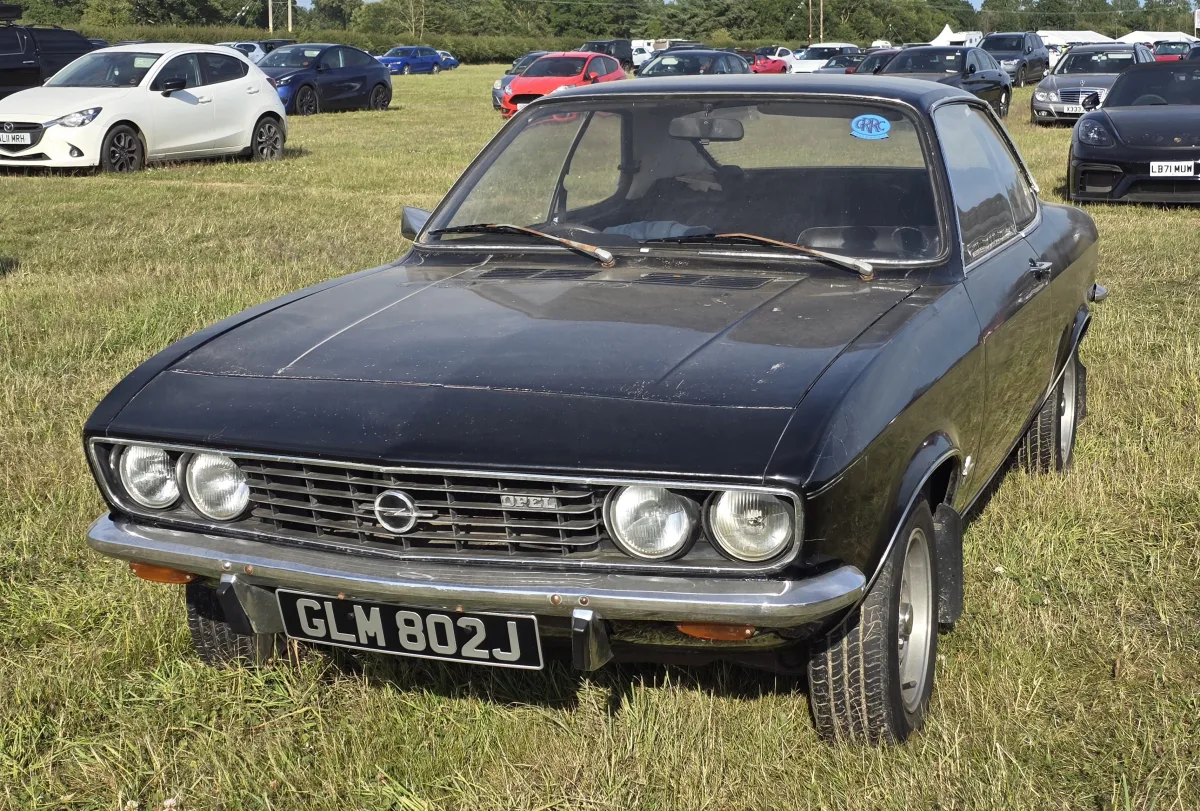
Opel Manta: A and B generations, engines, and what to know before buying
Opel Manta — a rear-wheel-drive coupé produced from 1970 to 1988 and becoming one of Opel's most beloved classics. In this article, we look at the Manta A and Manta B generations, engines, trims, and what to check before buying this car.






Manta in brief
The Manta debuted in 1970 as Opel's answer to the Ford Capri. Built on the Ascona platform, it features rear-wheel drive, and its style — a long bonnet and short rear end — became incredibly popular.
Over the decades, the Manta became a symbol of both motorsport and popular culture — it's often mentioned alongside tuning culture and rally racing. As a result, it's valued in the used market not just as an old car, but as a nostalgic icon.
Which generation to choose
The Manta A (1970–1975) has a purer, lighter design, sleeker lines, and a simpler interior. It's a favourite among collectors, especially the GT/E and Berlinetta trims.
The Manta B (1975–1988) is more modern, with a larger body and a wider range of engines. It was produced for longer, so it's easier to find, and there's a greater selection of parts. Later models also introduced the CC hatchback body style and the sporty GSi trim.
Engines and gearboxes
Manta engines are four-cylinder petrol units, with capacities ranging from around 1.2 to 2.0 litres, and power outputs from a few tens of horsepower to around 110 HP in sportier versions. The sporty GT/E and GSi trims featured fuel injection.
Gearbox — manual, four or five speeds; some versions also offered an automatic. The construction is simple, with plenty of parts and maintenance knowledge available, so minor repairs aren't difficult.
What to check when buying a used Manta
Main enemy — rust. Inspect the sills, wheel arches, front wings, front windscreen frame, floor, and boot floor. Rust often hides under fresh paint or sealant, so check with a magnet and inspect from underneath.
Check the engine condition — oil pressure, leaks, and smoking. Ensure the car hasn't been tampered with — many Mantas were modified. Original, well-preserved cars are highly valued, so it's worth enlisting a classic car expert.


Trim levels
Names and equipment vary by market and year; we list the most commonly found trim levels in Europe.
Manta A
1970–1975First-generation coupe with a simple design.
- Lightweight, clean-lined body
- Basic interior
- Often — chromed details
Manta A Berlinetta
First generationMore comfortable version of the first-gen.
- Better interior trim
- Additional comfort features
- Often — additional comfort features
Manta GT/E
from 1974Sporty version with fuel injection
- More powerful engine with injection
- Sporty trim
- Additional equipment
Manta B
1975–1988Second-generation coupe with a wider range of engines
- Larger body
- Wider range of engines
- Often — CC hatchback body
Manta B Berlinetta
B seriesMore luxurious second-generation version
- Better interior trim
- Additional comfort features
- Often — additional comfort features
Manta GSi
from 1984Sportiest late version with a 2.0-litre injection engine
- Around 110 AG
- Sporty interior and wheels
- Often — sport seats
Compare versions
| Manta A | Manta GT/E | Manta B | Manta GSi | |
|---|---|---|---|---|
| Who it's for | For collectors | For sportier driving | For the practical classic | For enthusiasts |
| Generation | A | A / B | B | B |
| Engine | Carburettor | With fuel injection | Carburettor or fuel injection | 2.0-litre, fuel injection |
| Ease of maintenance | Difficult | Difficult | Moderate | Moderate |
| Price in the used market (relatively) | Mid-range | High-end | Mid-range | High-end |
For most buyers, the most practical choice is the Manta B with a proven, sound body. The Manta A and GT/E or GSi are more suited to collectors.
Pros
- Iconic, recognisable design
- Simple and easy-to-maintain technology
- Rear-wheel drive and sporty handling
- Large enthusiast community and parts availability
Cons
- Very sensitive to rust
- Many modified or poorly restored examples
- Snug safety and comfort by today's standards
Frequently asked questions
What's the difference between the Manta A and Manta B?
The Manta A (1970–1975) is smaller and lighter, with a cleaner design. The Manta B (1975–1988) is larger, with a wider range of engines and a longer production run.
Is the Manta suitable for daily use?
A well-maintained example can be fine for summer use or shorter trips, but it falls short of modern cars in terms of safety and comfort.
What should you be most wary of when buying a Manta?
Rust and shoddy repairs. It's crucial to check the sills, wheel arches, and floor, as well as whether the car hasn't been heavily modified.
Updated 2026-10-19 · Trim levels and equipment vary by market and model year — check the equipment of the specific car. · Translated automatically


