 English
 Lietuvių
 Latviešu
 Eesti
 Polski
 Русский
 Українська
 Deutsch
 Nederlands
 Čeština
 Slovenčina
 Svenska
 Norsk
 Dansk
 Suomi


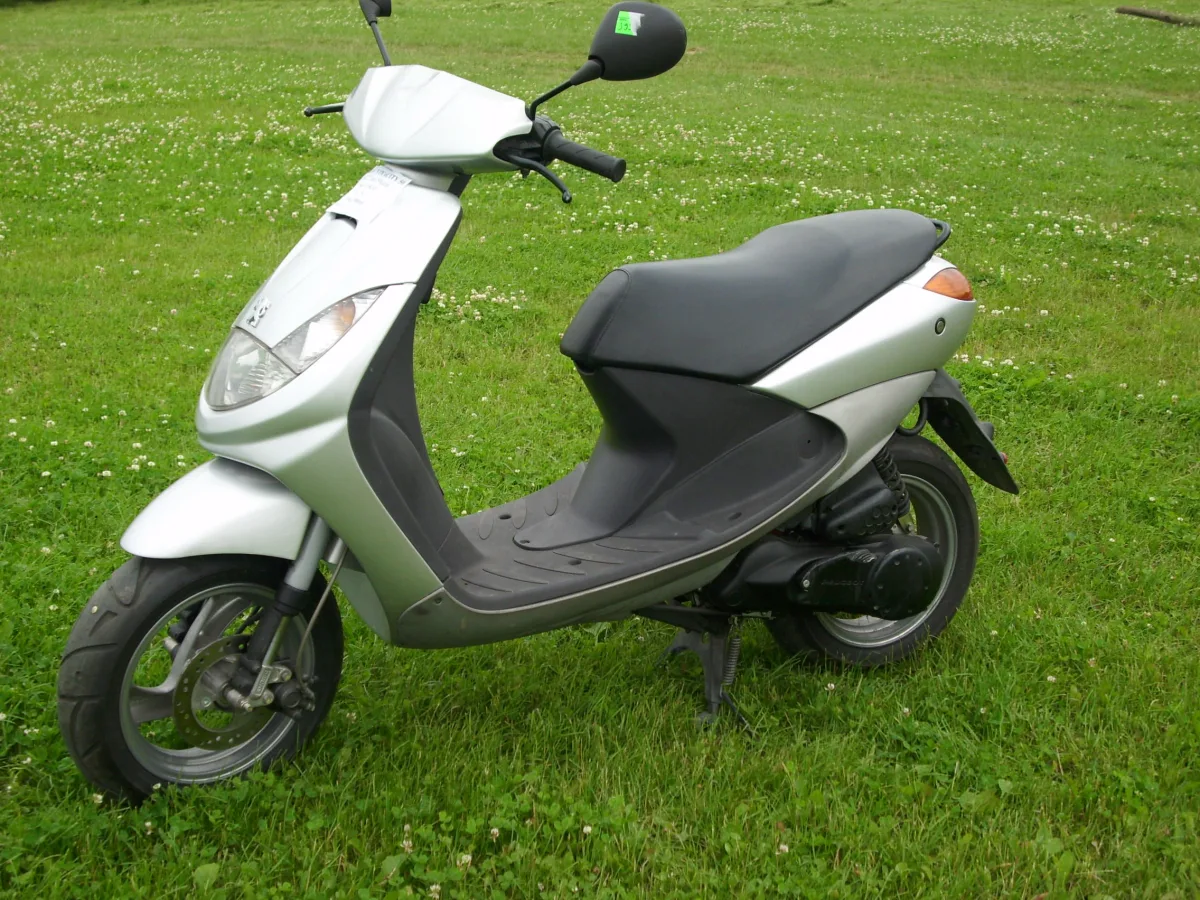
Peugeot Vivacity: 50 cm³ scooter, versions and what to check
Peugeot Vivacity (from 1999) — a compact city scooter, popular especially in France and other European countries. We look at how the two-stroke and four-stroke versions differ, who the Vivacity suits and what to check when buying used.






Vivacity in brief
Vivacity — a light and simple city scooter with a low seat, small wheels and automatic transmission. Designed for short daily commutes, parking and weaving through traffic.
Thanks to its price and simplicity, it's popular with young riders and those needing an affordable city scooter.
Versions — how they differ
The first Vivacity models had a 50 cm³ two-stroke engine. Later, four-stroke versions appeared, meeting stricter environmental standards, and updated versions, badged Vivacity 3.
An electric version, the E-Vivacity, was also sold. In some markets, a larger capacity version (e.g., 125 cm³) was offered. When buying, it's important to verify the capacity and generation of the scooter.
Engine and transmission
The most common 50 cm³ engine with automatic CVT transmission — no need to change gears. Power is modest, suited to the city.
Two-stroke versions need the right oil and regular servicing, while four-stroke versions are quieter and more economical. Brakes are simple — drum or disc at the front.
What to check when buying a used Vivacity
Warm up the engine: it should start without prolonged cranking, not smoke, and have a smooth idle.
Check the variator belt and pulleys, brakes, tyres, electrical system, and body plastics. Plastics often crack or warp, so check that the fastenings are secure.


Trims and versions
The Peugeot Vivacity is produced in several versions; we list the most commonly encountered.
Vivacity (2T)
from 1999Early two-stroke 50 cm³ version.
- 50 cm³ two-stroke engine
- Automatic transmission
- Simple design
Vivacity (4T)
laterFour-stroke version, meeting stricter requirements.
- Four-stroke engine
- Often — lower running costs
- Quieter ride
E-Vivacity
less frequentCity-friendly electric version.
- Electric engine
- Quiet ride
- Limited range
Vivacity variants compared
| Vivacity 2T | Vivacity 4T | E-Vivacity | |
|---|---|---|---|
| Who it's for | Budget-conscious city commuter | For economical driving | For quiet city driving |
| Engine | 50 cm³, two-stroke | 50 cm³, four-stroke | Electric engine |
| What to check first | Engine, oil system | Transmission, brakes | Battery, charging |
| Price in the used market (relatively) | € | € | €€ |
The Vivacity is ideal for those who need an affordable and simple city scooter. Opt for examples with a clear history and a well-maintained engine.
Pros
- A light and agile city scooter
- Simple, uncomplicated design
- Low price
- Low seat height is comfortable
Cons
- Low power and speed
- Two-stroke versions are less environmentally friendly
- Plastics often cracked
Frequently asked questions
Is the Vivacity suitable for a beginner?
Yes, it's light, has an automatic transmission and simple controls. Most importantly — you should have the required category for the engine size.
How does the two-stroke Vivacity differ from the four-stroke?
The two-stroke version is simpler and more lively, but it requires more oil and is dirtier. The four-stroke is quieter, more economical, and cleaner.
Is the Vivacity suitable for daily driving?
Yes, especially in the city and for short distances. It's not ideal for longer journeys or highways due to its low power.
Updated 2026-10-21 · Trim levels and equipment vary by market and model year — check the equipment of the specific car. · Translated automatically


