 English
 Lietuvių
 Latviešu
 Eesti
 Polski
 Русский
 Українська
 Deutsch
 Nederlands
 Čeština
 Slovenčina
 Svenska
 Norsk
 Dansk
 Suomi


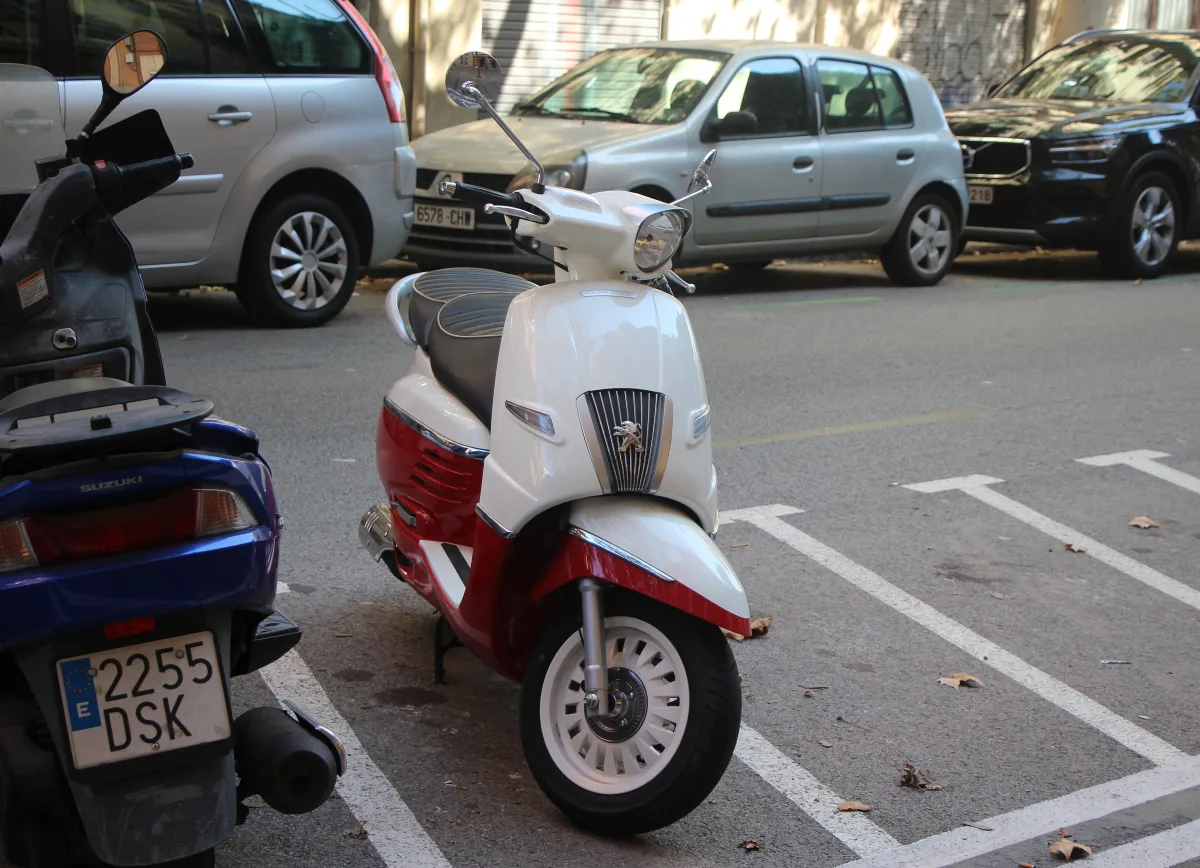
Peugeot Django: retro scooter, generations and what to check when buying used
Peugeot Django — a retro-style scooter produced since 2014, inspired by the classic Peugeot scooters of the 1950s. We look at the generations, tech specs, and what to check when buying used.






Django in brief
Django — a stylish urban scooter with a retro design that stands out from typical modern scooters. It's perfect for those who value looks, city comfort, and easy handling.
The model comes with various engine sizes, including 50 and 125 cm³, and in some markets, even larger ones. This makes it suitable for both young riders and those with A1 or B licenses.
Versions — what's the difference
Django versions mainly differ in trim, colours, and features. Common names include Classic, Evasion, Allure, Sport, and Heritage, which indicate the style and equipment level.
The model was later updated — the design changed, more features were added, and engines met newer standards. Before buying, check which version and generation suit you best.
Engine and transmission
The engine is a four-stroke, 50 or 125 cm³ (and larger in some markets) single-cylinder, designed for economical city riding. The 125 cm³ power is limited, so it's not suited for highways.
The transmission is an automatic twist-and-go, so there's no need to change gears. The brake discs and pads are wear items that need replacing according to the manufacturer's schedule.
What to check when buying a used Django
Check the gearbox: movement should be smooth, without juddering or vibration. Ask when to change the drive belt, tensioners and gearbox oil.
Inspect the body, plastics and chrome details for signs of chipping or corrosion, check the brakes, tyres and battery. Check the service schedule for the mileage, and in the documents, ensure the scooter matches the declared engine size.


Trim levels
Version names and equipment vary by year and market. We provide the general versions.
Django 50
from 2014Small-capacity version for young drivers.
- Four-stroke 50 cm³ engine
- Retro design
- Easy handling
Django 125
from 2014The most popular version.
- 125 cm³ engine
- Retro design and comfortable seat
- Often includes ABS (depending on the year)
Django (apdailos versijos)
several generationsClassic, Evasion, Allure, Sport and more.
- Different colours and trim
- Often — additional chrome trim
- Trim levels vary
Comparing versions
| Django 50 | Django 125 | Apdailos versijos | |
|---|---|---|---|
| Who it's for | For new drivers | For daily city driving | By appearance |
| Engine | 50 cm³ | 125 cm³ | Depends on the version |
| Style | Retro | Retro | Retro |
| Price in the used market (relatively) | € | €€ | €€ |
Django is a stylish choice for city riding and urban convenience. Pick your engine size based on your category and needs.
Pros
- Distinctive retro design
- Convenient city scooter
- Easy handling
- Low running costs
Cons
- Power limits highway driving
- Fewer services and parts than some Japanese rivals in certain countries
- Smaller storage compartment than larger scooters
Frequently asked questions
Can I ride a Django with a B license?
The 125 cm³ version can be ridden with a B license in some countries with additional requirements, while the 50 cm³ version has different rules. Regulations vary by country.
Is the Django suitable for out-of-town trips?
Yes, for short trips, but the small engine limits highway driving.
Is the Django economical?
Yes, it uses little fuel and has straightforward maintenance.
Updated 2026-10-21 · Trim levels and equipment vary by market and model year — check the equipment of the specific car. · Translated automatically


