 English
 Lietuvių
 Latviešu
 Eesti
 Polski
 Русский
 Українська
 Deutsch
 Nederlands
 Čeština
 Slovenčina
 Svenska
 Norsk
 Dansk
 Suomi


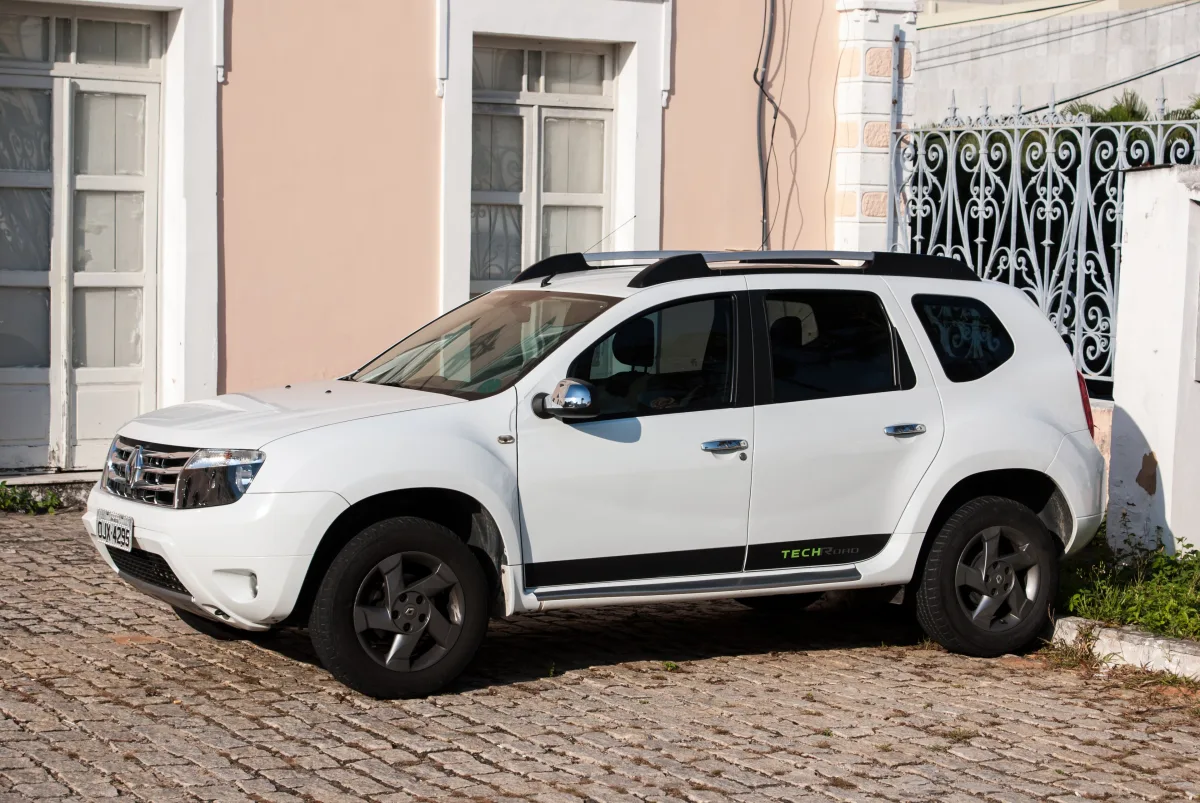
Renault Duster: generations, engines and trims
The Renault Duster is a compact, affordable SUV that hit European roads in 2010. It's sold as the Dacia Duster in Europe, and under the Renault badge elsewhere. We'll explore the differences between generations, the most common engines, trims, and what to check when buying a used Duster in Lithuania.






Duster in brief
The Duster was designed as a straightforward, robust, and affordable SUV. In Europe, it's sold under the Dacia badge, while the Renault Duster name is used in places like South America, Russia, and India. In Lithuania, you'll mostly find the European Dacia Duster versions, but the mechanics are the same.
Most versions come with front-wheel or all-wheel drive. The Duster is praised for its generous ground clearance, simple mechanics, and readily available spare parts, but it falls short with a less refined interior and noisier highway driving.
Which generation to choose
First generation (2010–2017) — the most basic and budget-friendly. Many cars have already clocked up high mileage, so the technical condition is more important than the trim level. It was updated during production, so later models usually have slightly better equipment.
Second generation (2017–2023) boasts a significantly improved interior, more safety features, and modern engines, including the 1.3 TCe petrol and LPG versions. It strikes the best balance of price and quality in the used market.
Third generation (from 2024) features a refreshed design, more driver-assistance systems, and a hybrid powertrain. There aren't many used examples yet, so most buyers are choosing between the first and second generations.
Engines and transmissions
The first generation commonly features a 1.6-litre petrol (around 105hp), 1.5 dCi diesel (around 90 or 110hp), and the later-introduced 1.2 TCe turbo petrol engine. Diesels are particularly popular in Lithuania due to their low fuel consumption.
The second generation offers 1.0 TCe, 1.3 TCe, 1.5 dCi, and 1.6 SCe engines, along with LPG versions. The third generation is primarily based around the 1.2 TCe with a mild hybrid, LPG, and full hybrid options.
Transmissions are usually 5- or 6-speed manuals. Automatics are less common, so those with autos should be scrutinised carefully and their service history checked.
What to check when buying a used Duster
First, inspect the underbody and chassis: the Duster is often used off-road, so check the suspension components, gearbox, and if it has four-wheel drive, make sure it works properly.
On diesels, check that the particulate filter (if fitted), EGR valve, and timing belt or chain have been replaced on schedule according to the manufacturer's guidelines. Turbine noises or blue smoke are bad signs.
On petrols and LPG cars, ensure the gas system was fitted at the factory or by an approved service and is documented. For all cars, compare the mileage with service records.


Trim levels
Names and equipment vary by market and year; we list the most commonly found (Dacia) trims in Europe.
Ambiance
First generationThe base trim of the first generation.
- Often steel wheels
- Basic air conditioning or none at all
- Simpler sound system
Laureate
First generationThe more popular, better-equipped first-gen trim.
- Light-alloy wheels
- Often — air conditioning and electric windows
- Often — fog lights and roof rails
Essential
Second generationThe base second-gen trim for everyday use.
- Often — steel wheels
- Often — air conditioning
- Basic safety equipment
Comfort
Second generationA common choice — balancing comfort and price.
- Often comes with a multimedia screen with phone connectivity
- Often includes parking sensors
- More comfortable interior
Expression
Third generationMid-range third-gen spec.
- Often features lightweight alloy wheels
- Larger multimedia screen
- More driver-assistance systems
Extreme
Third generationAll-rounder version with distinctive details.
- Distinctive trim and colour accents
- Often features durable seat materials
- Often includes additional underbody protection
Comparing trims
| Laureate (I) | Comfort (II) | Expression (III) | |
|---|---|---|---|
| Who it's for | Not ideal for daily use | Family, versatile use | For those seeking newer features |
| Tyre sizes (most common) | 16 inch | 16–17 inch | 17 inch |
| Interior and trim | Basic, sturdy | Better trim, multimedia | More digital features |
| Engine | 1.6, 1.5 dCi | 1.0–1.3 TCe, 1.5 dCi, LPG | 1.2 TCe, LPG, hybrid |
| Price in the used market (relatively) | € | €€ | €€€ |
If price is the top priority, go for a second-gen Duster with a 1.5 dCi or LPG engine. For a very tight budget, the first-gen model will do, but it's crucial to thoroughly assess its mechanical condition.
Pros
- Generous ground clearance and robust build
- Spare parts availability and ease of repair
- Low maintenance and fuel costs (especially with diesel or LPG)
- Optional four-wheel drive
Cons
- More refined interior and better sound insulation
- Early models come with more basic safety features
- Frequently high-mileage vehicles
Frequently asked questions
Is the Renault Duster the same car as the Dacia Duster?
Yes. It's the same model: in Europe, it's sold under the Dacia badge, while in other markets, it's under Renault. The mechanics, engine range, and body are identical, so many spare parts are interchangeable.
Which Duster version to choose for city driving and road trips?
Many buyers will be suited to the front-wheel-drive version with the 1.5 dCi diesel or LPG. Opt for four-wheel drive only if you genuinely tackle rough terrain or tougher conditions.
Is the Duster cheap to run?
Often, yes: the technology is straightforward, and there's a wide choice of parts. However, the cost is dictated by the specific car's condition and service history, so it's worth getting it checked before buying.
Updated 2026-10-14 · Trim levels and equipment vary by market and model year — check the equipment of the specific car. · Translated automatically


