 English
 Lietuvių
 Latviešu
 Eesti
 Polski
 Русский
 Українська
 Deutsch
 Nederlands
 Čeština
 Slovenčina
 Svenska
 Norsk
 Dansk
 Suomi


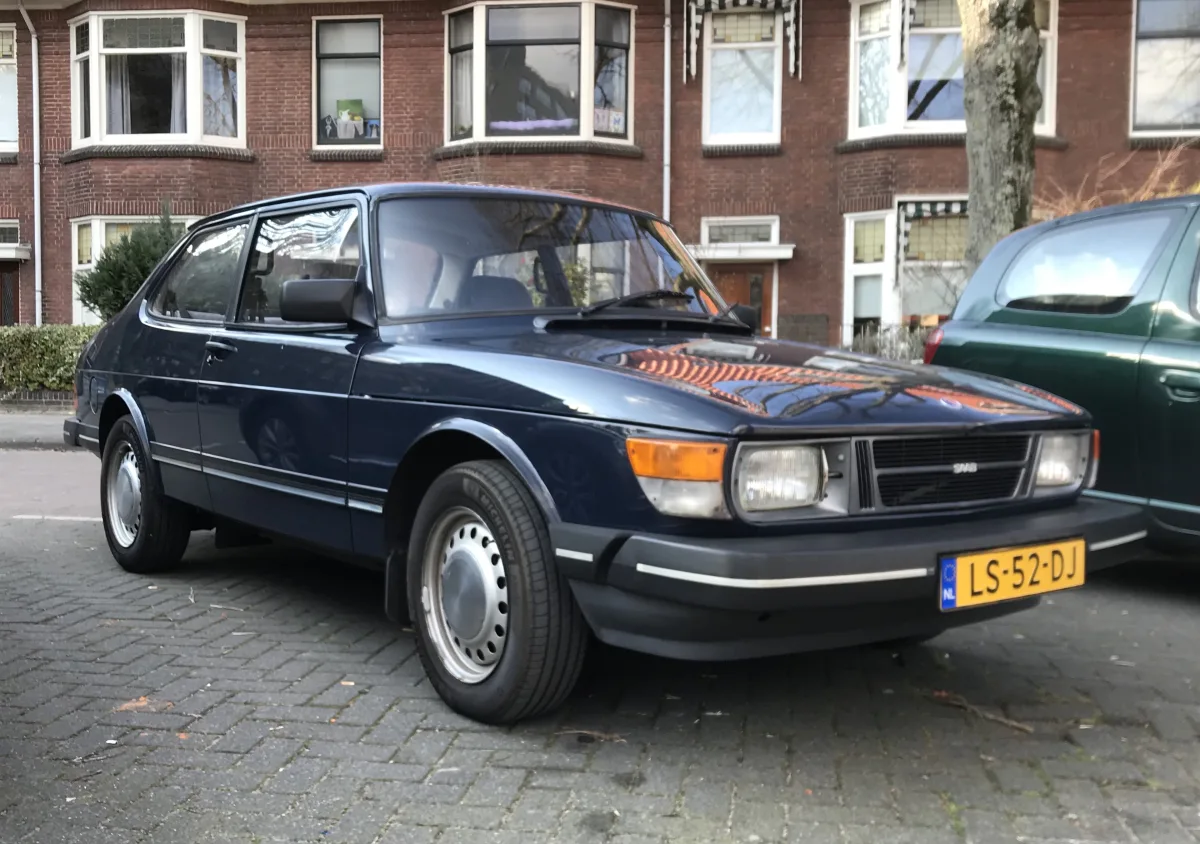
Saab 90: a rare classic Saab and what to know before buying
Saab 90 — a compact two-door car produced from 1984–1987 and built on the Saab 99 platform, but with the Saab 900 front end. In this article, we'll look at its construction, engine, and what to check if you're after one of these collectible cars.






Saab 90 in brief
The Saab 90 is the bridge between the Saab 99 and Saab 900: its body and chassis are derived from the 99 model, while the front end and many details come from the 900. As a result, the car is more compact than the 900 but shares many of its features.
This is a front-wheel-drive two-door car with good visibility and a firm, consistent driving character. Today, it's a rare and beloved car among Saab enthusiasts.
Which version to choose
The Saab 90 was only produced for a few years and its entire production run is considered one generation, so the choice mainly depends on the condition of the specific example and the type of gearbox.
Due to the small production volume, the most important thing is to find a car that has corroded as little as possible, is original, and has a clear service history.
Engines and gearboxes
The Saab 90 most often has a 2.0-litre four-cylinder petrol engine (around 100 hp). The engine is mounted longitudinally, and the gearbox is underneath it, just like in other Saab models of that era.
Most commonly found is a manual gearbox, but automatic versions do pop up.
What to check when buying a used Saab 90
First, inspect the body for corrosion — sills, wheel arches, floor, and the front end. For cars of this age, this is the primary risk.
Check the engine's operation, oil and coolant leaks, as well as gearbox shifts and clutch condition. Parts can be hard to find, so it's worth chatting with Saab club members or specialist mechanics.
Assess the interior: seat upholstery, dashboard, and electrical equipment often wear out in older cars.


Trim levels
Names and equipment vary by market and year; we list the versions most commonly found in Europe.
Mechaninė dėžė
1984–1987The most common and basic version.
- Approximately 2.0-litre petrol engine
- Manual gearbox
- Simple, reliable construction
Automatinė dėžė
1984–1987A less common option for more comfortable driving.
- The same 2.0-litre engine
- Automatic gearbox
- Easier driving in the city
Comparing versions
| Mechaninė | Automatinė | |
|---|---|---|
| Who it's for | For enthusiasts and collectors | For relaxed driving |
| Engine | Around 2.0 litres, around 100 hp | Around 2.0 litres, around 100 hp |
| Price in the used market (relatively) | €€ | €€ |
Choose the example that's best maintained and has a clear history. The second gearbox type is less common, although manual is usually more valued.
Pros
- A rare and unique classic Saab
- Simple, well-known technology
- Robust construction
- Good visibility and a practical interior
Cons
- Risk of corrosion
- Difficult to find parts and mechanics
- Quirky driving characteristics compared to modern cars
Frequently asked questions
Is the Saab 90 the same as the Saab 900?
No. The Saab 90 shares the Saab 99 bodyshell and chassis with the Saab 900, but has a shorter front end, making it more compact than the 900.
Is the Saab 90 suitable for daily driving?
A well-maintained example can be a great choice, but due to its age and the scarcity of parts, it is often considered a classic car.
What should you be most wary of when buying a Saab 90?
Rust and hard-to-find parts. Therefore, opt for the best-preserved car you can find and use Saab specialists.
Updated 2026-10-19 · Trim levels and equipment vary by market and model year — check the equipment of the specific car. · Translated automatically


