 English
 Lietuvių
 Latviešu
 Eesti
 Polski
 Русский
 Українська
 Deutsch
 Nederlands
 Čeština
 Slovenčina
 Svenska
 Norsk
 Dansk
 Suomi


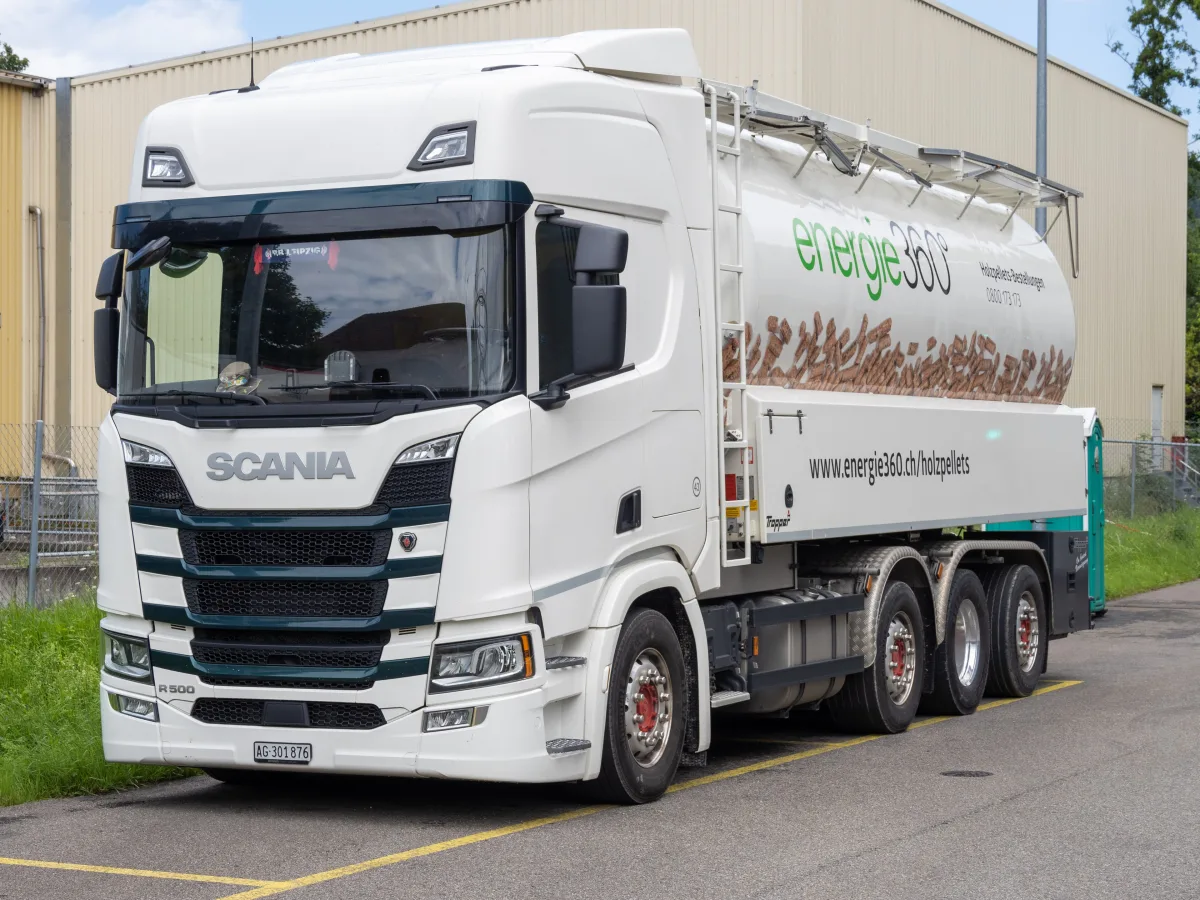
Scania R series: generations, engines, cabs and what to check
The Scania R series is a long-haul tractor unit, particularly popular among Lithuanian hauliers and in the used truck market. We look at how the previous (2004–2016) and new (from 2016) generations differ, which engines — from 13-litre to V8 — are most commonly found, what cabs are available and what to check when buying a used Scania R.






Scania R in brief
The R series was introduced in 2004 and replaced the previous Scania 4 series. It's Scania's long-haul model with a larger cab than the P and G series. It was updated in 2009, the more aerodynamic Streamline version appeared in 2013, and a completely new generation arrived in 2016.
The number in the name roughly indicates the engine power: for example, an R 450 has around 450 hp. Most used R series trucks are 4x2 tractor units, with 6x2 tractors and special-purpose chassis also available. Scania is valued for its reliability, comfortable cab and strong residual values.
Previous and new generation — what's the difference
The previous generation R series (2004–2016) is the most accessible today. Euro 5 tractors are simpler, but most have high mileage. Euro 6 versions, especially Streamline, are more economical and sought-after in the used market.
The new generation R series (from 2016) features a completely new cab, better visibility, a quieter interior and more safety systems. The 13-litre Super engines introduced in 2021 further reduced fuel consumption, making later tractors the most valued in the used market.
In both generations, the cab roof comes in several heights: Normal, Highline, and the tallest Topline. For long-haul trips, the Highline or Topline are usually preferred.
The engines and gearboxes
The most common is the six-cylinder 13-litre engine — around 400–500 hp (e.g., R 420, R 440, R 450, R 480, R 500). New-generation 13-litre Super engines are around 420–560 hp.
The most powerful are the 16-litre V8 engines (around 500–770 hp), often chosen for heavy loads and mountainous routes. They are powerful and reliable but more expensive to buy and run.
The gearbox is usually the automated Scania Opticruise; older trucks may have manual ones. Common equipment includes the Scania retarder, which effectively brakes on downhill slopes and saves on service brakes. Euro 6 engines clean exhaust gases with SCR using AdBlue and a particulate filter, and some also have an EGR system.
What to check when buying a used Scania R
Compare the odometer reading with the engine hour meter, service records, and tachograph data. Diagnostic equipment at the service centre can read errors from the engine, gearbox, and retarder, as well as wear in the clutch — this helps assess the true condition.
Test the Opticruise: gears should shift smoothly, without hesitation when moving off and long pauses. Check if the retarder works and if there are no oil leaks. In V8 trucks, the service history is particularly important, as repairs are more costly.
Check the frame, ball joints, air suspension, and brakes, and in the cabin, look for wear on the seats, sleeping area, and trim, as well as signs of corrosion. Ensure the AdBlue system is operational and hasn't been disabled or modified with an emulator.


Cabins and Versions
Cabin names and equipment vary by year and order; we list the versions most commonly found in Europe.
Highline
Previous generation (2004–2016)The R cabin from the previous generation is most common for long-distance trips.
- Higher roof than Normal
- More space for items above the windshield
- Often comes with a retarder and Opticruise
Topline
Previous generation (2004–2016)The highest roof cabin allows you to stand upright inside.
- More space and storage compartments
- Often includes two sleeping areas
- Often features an autonomous heater and cooler
Streamline
2013–2016A more aerodynamic version of the previous generation.
- Redesigned sun visor, bumper, and side elements
- Often — Euro 6 emissions class
- Often — Highline or Topline cab
Naujosios kartos R
From 2016New, quieter and more spacious cabin.
- Better visibility and a more modern workspace
- Often — LED headlights
- More safety and driver-assistance systems
R V8
Both generationsThe most powerful R series versions with a 16-litre V8 engine.
- Around 500–770 hp
- Often — for heavy loads and mountainous routes
- Higher fuel consumption than with the 13-litre engine
Comparison of R series versions
| Ankstesnė karta (Euro 5) | Streamline (Euro 6) | Naujoji karta, 13 l | V8 | |
|---|---|---|---|---|
| Who it suits | For a tight budget | For international journeys | Latest tech and economy | For heavy loads and mountains |
| Cab (usually) | Highline | Highline or Topline | Highline or Topline | Highline or Topline |
| Engine | 13 l, around 420–480 hp | 13 l, around 410–490 hp | 13 l, around 410–560 hp | 16 l V8, around 500–770 hp |
| Price in the used market (relatively) | € | €€ | €€€ | €€€ |
For most drivers, the rational choice is the Streamline or the new-generation R with a 13 l engine and a clear service history. The V8 is only worth considering if you really need the extra power for heavy loads or mountainous routes.
Pros
- Reliable engines and well-maintained value
- Comfortable cabin, especially in Highline and Topline trims
- Wide range of options and extensive service network
- Broad choice of engines — from economical 13 l to V8
Cons
- Often more expensive than similarly aged competitors in the used market
- Many trucks with very high mileage
- Repairs for Euro 6 emission systems and V8 engines are costly
Frequently asked questions
What's the difference between Highline and Topline?
Both cabins are suited for long hauls, but the Topline has a higher roof: you can stand upright inside, there's more storage space, and it's easier to set up a second sleeping area. The Highline is lower, but it's sufficient for most drivers.
Is it worth buying a Scania R with a V8?
The V8 is worth choosing if you frequently haul heavy loads or drive on hilly roads. For standard international hauls, the 13 l engine is usually sufficient, as it's more economical and cheaper to maintain.
Which generation of the R series should you choose?
If your budget allows, opt for the latest generation R — it's quieter, more economical, and safer. For a limited budget, consider the previous generation Streamline with a Euro 6 engine, provided the truck has a clear service history.
Updated 2026-10-09 · Trim levels and equipment vary by market and model year — check the equipment of the specific car. · Translated automatically


