 English
 Lietuvių
 Latviešu
 Eesti
 Polski
 Русский
 Українська
 Deutsch
 Nederlands
 Čeština
 Slovenčina
 Svenska
 Norsk
 Dansk
 Suomi


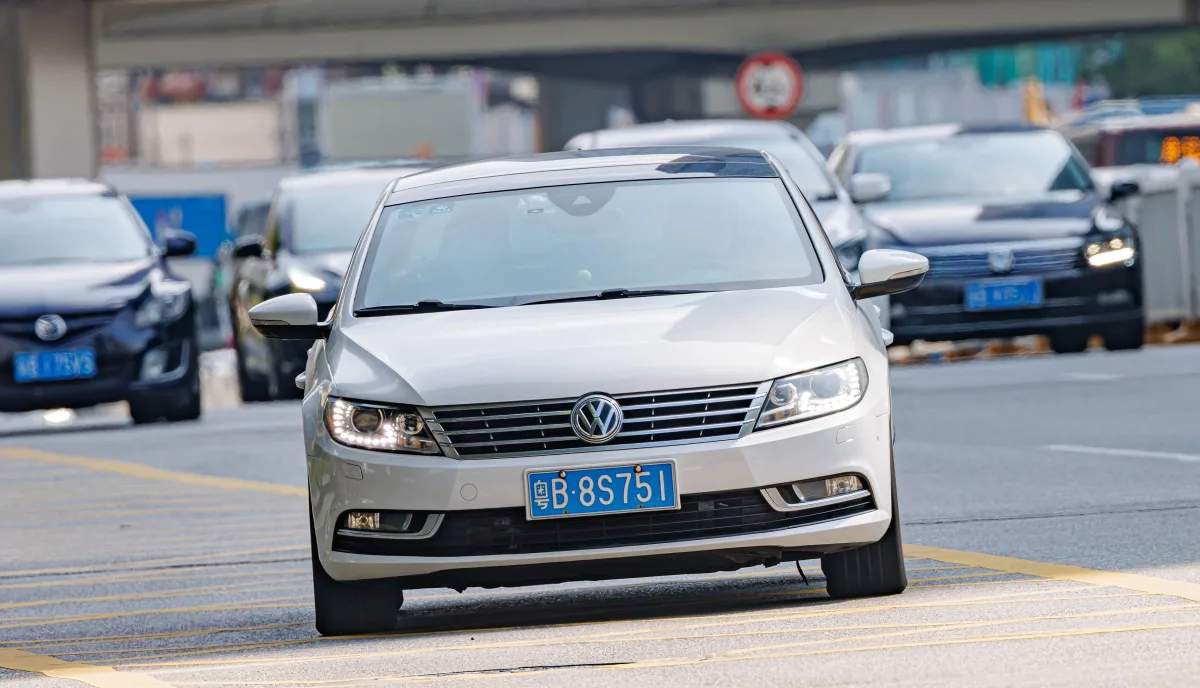
Volkswagen CC: a coupe-style sedan, engines and trims
Volkswagen CC — a four-door coupe-style sedan built on the Passat platform. The first version, launched in 2008, was called the Passat CC, and after a 2012 refresh, it was renamed the CC. We look at the engines, trims, and what to check when buying a used CC.






CC in brief
The CC was designed as a more elegant and luxurious alternative to the Passat. Its standout features include a sloping coupe-style roof, frameless door windows, and four separate seats that give a sporty car feel.
Technically, the CC is close to the Passat, so driving is smooth and comfortable, and spare parts and mechanics familiar with this model are easy to find. Due to the sloping roof, there's less headroom in the rear seats than in a typical sedan.
Which version to choose
Early models (2008–2012), known as the Passat CC, are cheaper, but their interiors and infotainment are more basic. They often have more miles on the clock and a higher risk of maintenance issues.
The refreshed CC (2012–2017) got a new front and rear, an improved interior, and more features. If your budget allows, it's better to go for the refreshed version, especially one with a clear service history.
Engines and gearboxes
The petrol CC engines are the 1.8 TSI (around 160 hp), 2.0 TSI (around 200–210 hp) and the most powerful 3.6-litre V6 (around 300 hp) with 4Motion all-wheel drive. Diesels are the 2.0 TDI (around 140–170 hp).
Transmissions come as a 6-speed manual or DSG. More powerful models and 4Motion versions often feature the wet-clutch DSG, which requires timely oil changes.
What to check when buying a used CC
In the 1.8 TSI and 2.0 TSI petrol engines, especially the earlier ones, check the condition of the timing chain: a cold engine shouldn't rattle after starting. In diesel versions, check the diesel particulate filter (DPF) and EGR valve.
The DSG gearbox should shift smoothly: juddering or jolts may indicate a need for repair. Ask if the DSG oil has been changed according to schedule.
Inspect the body for repainted parts, check the condition of door seals without frames and ensure all electrical components work. Verify the service history for the ride.


Trim levels
Trim names vary by market and year; we list the most common found in Europe.
Sport
all versionsThe main popular trim with a generous amount of equipment.
- Often — light-alloy wheels
- Often — automatic climate control
- Often — parking sensors
Exclusive
all versionsComfort-oriented trim.
- Often — leather upholstery and heated seats
- Often — xenon headlights
- Often — more comfort equipment
R-Line
updated versionSporty style version.
- Sporty bumpers and alloy wheels
- Sport seats and specific trim
- Often — additional exterior details
Trim comparison
| Sport | Exclusive | R-Line | |
|---|---|---|---|
| Who it suits | For daily use | For comfort | For sporty looks |
| Alloy wheels (often) | 17 col. | 17–18 col. | 18 col. |
| Headlights | Halogen or xenon | Xenon | Xenon |
| Price in the used market (relatively) | € | €€ | €€ |
Most buyers will be happy with the Sport or Exclusive with the 2.0 TDI or 1.8 TSI. Go for the R-Line if you're after looks.
Pros
- Elegant coupe styling
- Smooth and comfortable ride
- Tech similar to the popular Passat
- Option for four-wheel drive 4Motion
Cons
- Less headroom in the rear seat
- Wet DSG gearbox repairs can be pricey
- Service history is crucial for older cars
Frequently asked questions
What's the difference between the CC and the Passat?
The CC is a more elegant coupe-style version with a sloping roof, frameless door windows, and four seats, while the Passat is a more practical sedan or estate.
Which CC engine is the best?
For most buyers, the 2.0 TDI or 1.8 TSI are suitable — they're powerful enough and economical. The V6 is for those who want a more potent car with four-wheel drive.
Does the CC have four-wheel drive?
Yes, some versions, especially those with the V6 and certain diesel engines, come with 4Motion four-wheel drive.
Updated 2026-10-17 · Trim levels and equipment vary by market and model year — check the equipment of the specific car. · Translated automatically


