 English
 Lietuvių
 Latviešu
 Eesti
 Polski
 Русский
 Українська
 Deutsch
 Nederlands
 Čeština
 Slovenčina
 Svenska
 Norsk
 Dansk
 Suomi


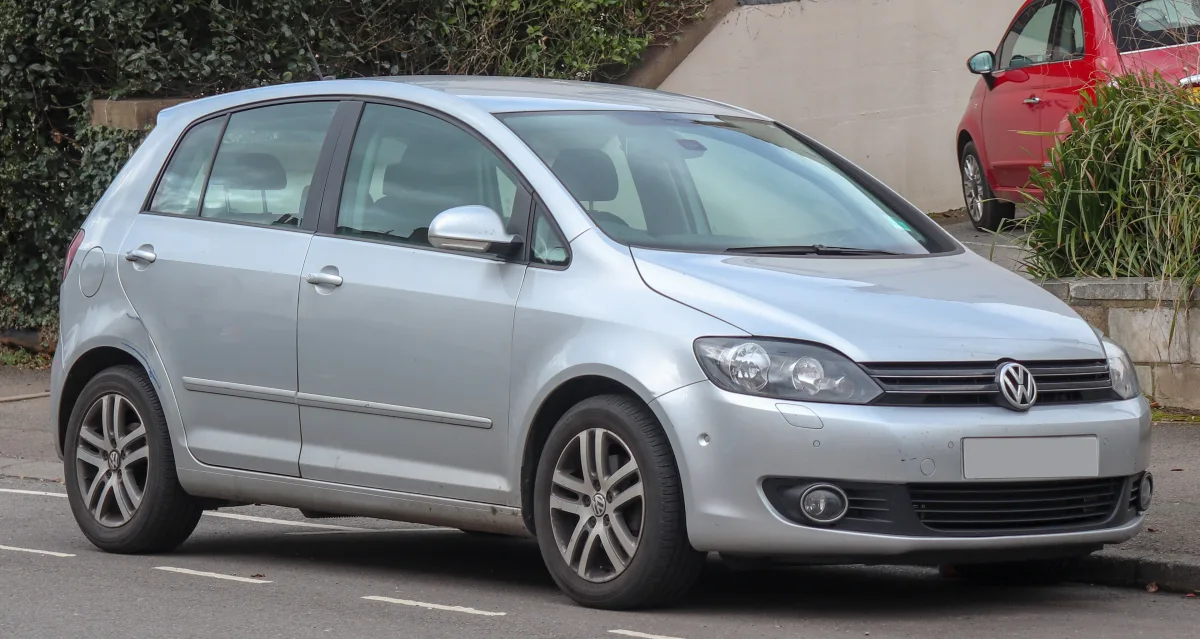
Volkswagen Golf Plus: 2004–2014 generations, engines, and trims
The Volkswagen Golf Plus is a taller, roomier Golf hatchback produced from 2004 to 2014. Here, we look at the early and 2009 facelifted versions, the most popular engines, trims, and what to check when buying a used car.






Golf Plus in brief
The Golf Plus is built on the same platform as the fifth-generation Golf but is taller and offers more interior space. The raised seating position makes it easier to get in and out, and the rear seats slide, allowing you to choose between more legroom for passengers and a larger boot.
It's a practical alternative to the standard Golf hatchback for those who need more space but don't want the bulk of a large MPV. Thanks to its shared platform with the Golf, the choice of spare parts and mechanics is wide.
Early and facelifted versions — what's the difference
The first version (2004–2008) was based on the Golf V platform. In 2009, the Golf Plus was facelifted: it received a new front end and interior, similar to the sixth-generation Golf, and the engine range was supplemented with newer TSI and TDI units.
The facelifted version is more modern, but earlier cars are still popular due to their lower price. When choosing, it's more important to consider the condition of the specific example and its service history than the year of manufacture.
Engines and gearboxes
Petrol engines range from basic 1.4 and 1.6 to 1.4 TSI and 1.6 FSI; diesels include 1.9 TDI and 2.0 TDI, with the 1.6 TDI introduced after 2009. Exact power outputs vary by year, so it's worth checking each car's documents.
Transmissions come in manual or automatic: Tiptronic and DSG automated manual. DSG boxes are convenient, but later repair costs can be high.
What to check when buying a used Golf Plus
DSG gear shifts should be smooth, with no hesitation when moving off. Ask if the box has been serviced and if the oil has been changed.
Early TSI engines were known for timing chain issues, and repairs on older 2.0 TDI units with pump-injector systems can be expensive. A cold engine shouldn't rattle, and in a diesel car, check the particulate filter if fitted.
Inspect the body for corrosion in the sills and arches, check the suspension and brakes, and compare the mileage with service and MOT records.


Trim levels
Names and equipment vary by market and year; we list the most common trims found in Europe.
Trendline
All versionsBase trim with standard equipment.
- Often — steel wheels
- Simpler sound system
- Often — no automatic climate control
Comfortline
All versionsMost popular choice — more comfort.
- Often — light-alloy wheels
- Often — automatic air conditioning
- More comfortable seats
Highline
Updated versionHigher trim level with more generous equipment.
- Often — parking sensors
- More luxurious interior trim
- Often — larger alloy wheels
Sportline
All versionsSportier-looking version.
- Sport seats
- Often — sport steering wheel
- Often — lower ride height and larger alloy wheels
United
Special editionSpecial series version with wider equipment.
- Additional equipment over the base price
- Often — air conditioning and sound system
- Less commonly seen
Comparing trims
| Trendline | Comfortline | Highline | Sportline | |
|---|---|---|---|---|
| Who it's for | For the budget-conscious buyer | For daily driving | For added comfort | For a sportier look |
| Wheels (most common) | 15–16 inch | 16 inch | 16–17 inch | 17 inch |
| Interior | Basic | More comfortable seats | Luxury trim | Sport seats |
| Price in the used market (relatively) | € | €€ | €€ | €€ |
Most buyers will find the Comfortline trim strikes a good balance between features and cost. Sportline is chosen for its looks, while Trendline is for those prioritising the lowest price.
Pros
- Spacious interior with practical split-folding rear seats
- Higher, more comfortable driving position
- Wide range of engines and good parts availability
- Familiar Golf technology, plenty of mechanics who know the model
Cons
- Early TSI engines and DSG gearboxes can be expensive to fix
- The higher body makes the Golf Plus less agile than the standard Golf
- Older cars often have high mileage
Frequently asked questions
How does the Golf Plus differ from the standard Golf?
The Golf Plus is taller and roomier, with split-folding rear seats and a larger boot, but the chassis and mechanicals are similar.
Which engine is the best?
For most, the 1.6 petrol or 1.9 and 1.6 TDI diesels are a good bet, provided there's a clear service history. The engine type is less important than the overall condition of the car.
Is it worth choosing the refreshed 2009 version?
If the budget allows — yes, as it's more modern and has newer engines. However, a well-maintained earlier model can also be a good buy.
Updated 2026-10-17 · Trim levels and equipment vary by market and model year — check the equipment of the specific car. · Translated automatically


