 English
 Lietuvių
 Latviešu
 Eesti
 Polski
 Русский
 Українська
 Deutsch
 Nederlands
 Čeština
 Slovenčina
 Svenska
 Norsk
 Dansk
 Suomi


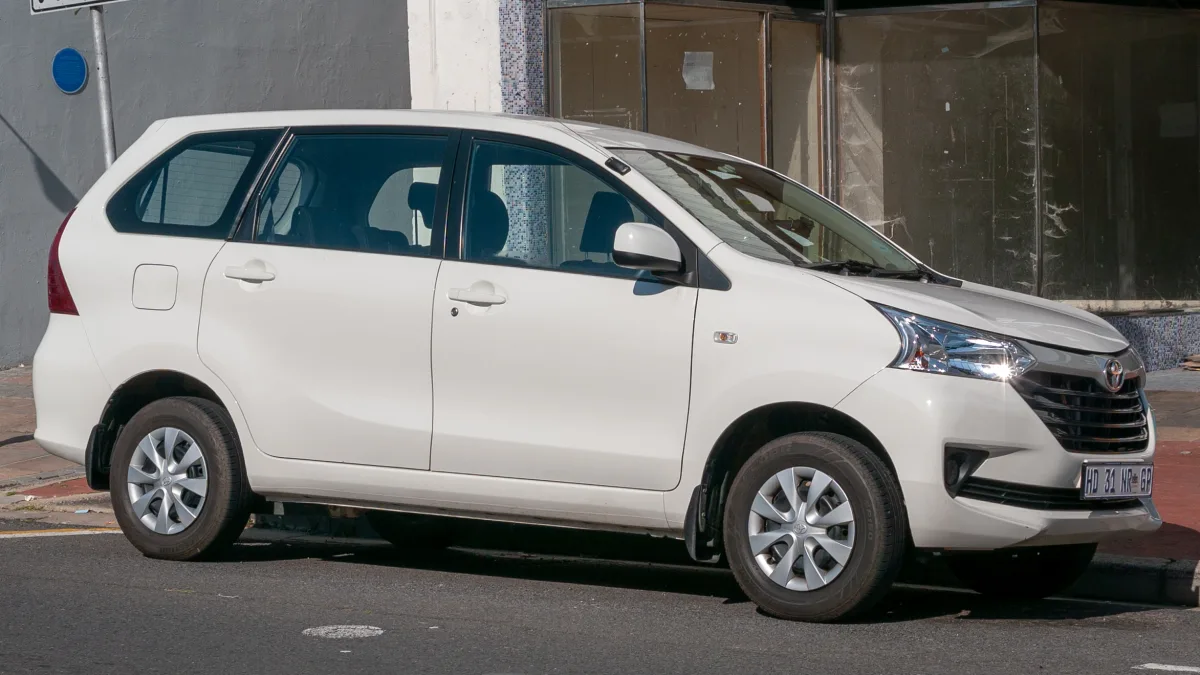
Toyota Avanza and Daihatsu Xenia: a seven-seater MPV and what you need to know
Toyota Avanza and Daihatsu Xenia — essentially the same compact seven-seater MPV, built by Daihatsu and sold under both names. The model is hugely popular in Southeast Asia, but was never officially sold in Europe.






Avanza at a glance
The Avanza is an affordable, practical and straightforward MPV designed for families and commercial use, such as taxis. Thanks to its compact dimensions and three rows of seats, it offers plenty of space for a modest price.
Daihatsu sells the same model under the name Xenia. Therefore, both names refer to virtually the same car, with differences usually seen only in the front and interior trim.
Generations
The model was introduced in 2003 in Indonesia and since then has seen three generations: the first (2003–2011), the second (from 2011) and the third (from 2021).
Each generation has become more modern and comes with more features, but the core concept — an affordable, practical seven-seater — remains.
Engines and transmissions
Available with 1.3 and 1.5-litre petrol engines. They aren’t powerful, but they’re adequate for daily use, and fuel consumption is modest.
The transmission is manual or automatic, depending on the version.
What to know before buying an Avanza in Lithuania
Since the Avanza was never officially sold in Europe, it’s a rarity in Lithuania. You’ll need to import one from abroad, which comes with registration and documentation requirements.
Finding parts and specialists can be challenging, so before buying, check if you can source the necessary components and mechanics.
Inspect the body for corrosion and signs of repairs, check the engine, gearbox, and suspension — especially if the car was used as a taxi or for commercial purposes.


Trim levels
Names and equipment vary by market and year; we list the versions most commonly found in Europe.
Avanza (I karta)
2003–2011The first generation with 1.3 and 1.5-litre engines.
- A 1.3 or 1.5-litre petrol engine
- Seven-seat interior
- Basic tech and equipment
Avanza (II karta)
2011–2021Refreshed second generation.
- A 1.3 or 1.5-litre petrol engine
- A more modern look and interior
- Often — more comfort features
Avanza (III karta)
From 2021The latest generation.
- Refreshed design and interior
- A 1.3 or 1.5-litre petrol engine
- Often — more safety and assistance systems
Generation comparison
| I karta | II karta | III karta | |
|---|---|---|---|
| Who it's for | For casual use | For family and daily driving | For those seeking a more modern variant |
| Seats | 7 | 7 | 7 |
| Price in the used market (relatively) | € | € | €€ |
For most buyers, the key is to find a well-maintained car, as there's no official servicing in Europe. Newer generations come with more features.
Pros
- Seven seats for a modest price
- Simple and affordable technology
- Low fuel consumption
- Practical compact body
Cons
- Was never officially sold in Europe
- Finding parts and mechanics might take time
- More basic comfort and safety features
Frequently asked questions
Is the Toyota Avanza and Daihatsu Xenia the same?
Essentially, yes. It's the same model, sold under two names — Toyota Avanza and Daihatsu Xenia.
Is the Avanza officially sold in Europe?
No, it was never officially sold in Europe, so it's very rare in Lithuania.
How many seats does the Avanza have?
Seven — it has three rows of seats.
Updated 2026-10-19 · Trim levels and equipment vary by market and model year — check the equipment of the specific car. · Translated automatically


