 English
 Lietuvių
 Latviešu
 Eesti
 Polski
 Русский
 Українська
 Deutsch
 Nederlands
 Čeština
 Slovenčina
 Svenska
 Norsk
 Dansk
 Suomi


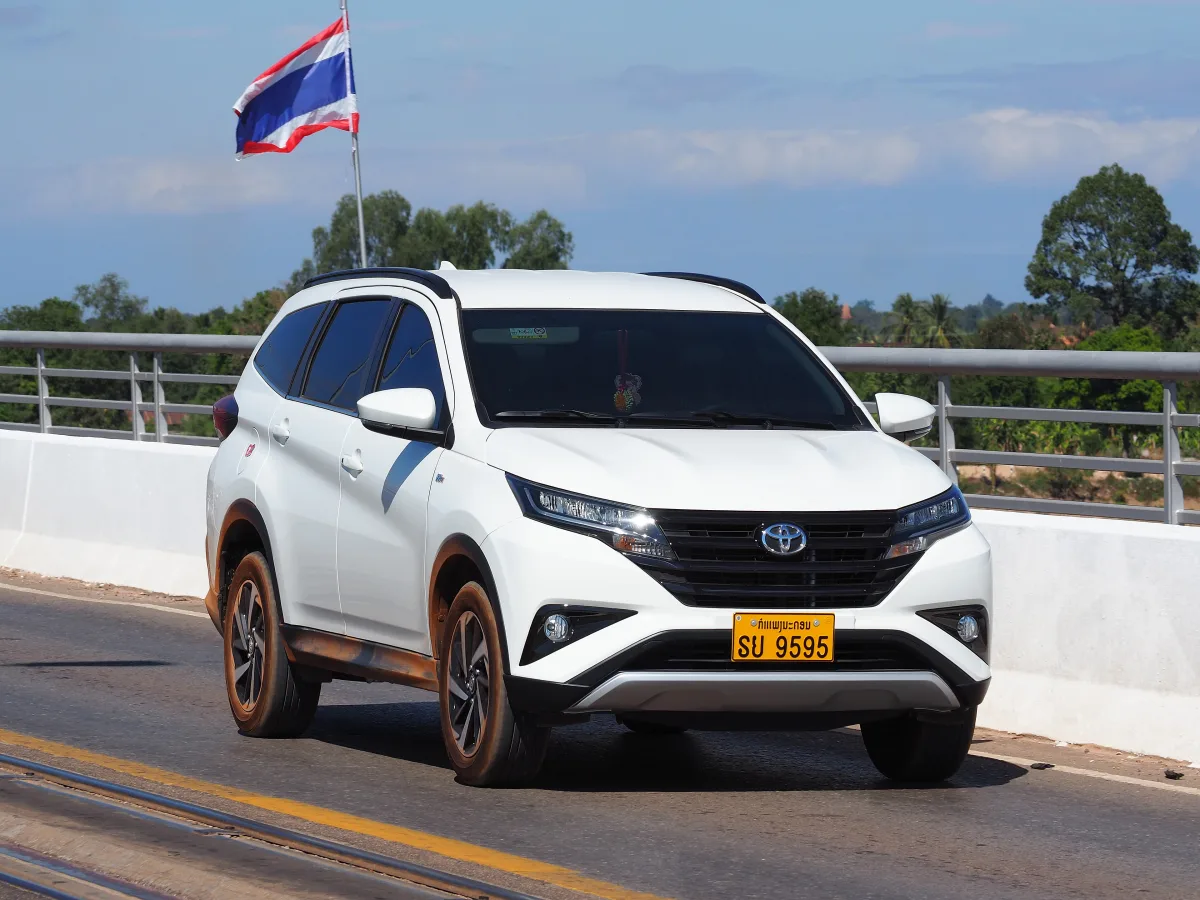
Toyota Rush and Daihatsu Terios: generations, engines, and what to check
The Toyota Rush and Daihatsu Terios are compact SUVs built by Daihatsu and sold by both Toyota and Daihatsu. In this article, we review two generations, their tech specs, and what buyers in Lithuania should know.






The Rush in brief
The Rush is a compact SUV sold primarily in Southeast Asia and other developing markets. Daihatsu offers it as the Terios, while Toyota sells it as the Rush.
The new-generation Rush was never officially sold in Europe, so it's rarely seen in Lithuania. The first-generation Daihatsu was offered as the Terios.
Generations — what's the difference
The first generation (J200) debuted around 2006 and was available until roughly 2016. It's a classic compact SUV with a small body and straightforward tech.
The second generation (F800) arrived around 2017-2018. It's larger, roomier, and more modern, often featuring a seven-seat interior. If you find a well-maintained example, the second generation is the better choice.
Engines and transmissions
Second-generation Rush models typically come with a 1.5-litre petrol engine paired with a manual or automatic transmission. The drive is usually rear-wheel, which is unusual for this class of car.
First-generation models also had a 1.5-litre petrol engine, with front-wheel or all-wheel drive, depending on the version.
What to check when buying a used Rush
First, check that the car has been legally imported and that all documents are in order. Inspect the underbody for rust and check the suspension.
Test the gearbox and clutch, listen to the engine. Since the model is rare, find out in advance where you can order parts and who can service it.


Trim levels
Trim names vary by market, so we'll list them generally.
Aukštesnė komplektacija
Second generationOften the more generously equipped version.
- Often — light-alloy wheels
- Often — multimedia screen and parking sensors
- Often — seven-seat layout
Rush generations comparison
| Pirmoji karta (J200) | Antroji karta (F800) | |
|---|---|---|
| Time period | Around 2006–2016 | From around 2017 |
| Who it's for | Budget-conscious compact SUV | Families needing more space |
| Engine | 1.5-litre petrol | 1.5-litre petrol |
| Price in the used market (relatively) | Budget-friendly | Mid-range |
The budget pick — first generation. Families are better off with the second, as it's roomier and newer.
Pros
- Simple tech
- Low running costs
- Acceptable price
- The second generation is spacious and often seats seven
Cons
- Rare model in Lithuania
- The second-generation model was not officially offered in Europe
- Parts and service availability are limited
Frequently asked questions
Is the “Rush” and “Terios” the same car?
Yes, it's the same model, sold under the Toyota and Daihatsu badges.
Which generation is better?
Most would say the second is better – it's newer, roomier and more modern, but the first is cheaper.
Does the Rush have rear-wheel drive?
Second-generation cars usually have rear-wheel drive, but check the specific car's documents to be sure.
Updated 2026-10-21 · Trim levels and equipment vary by market and model year — check the equipment of the specific car. · Translated automatically


